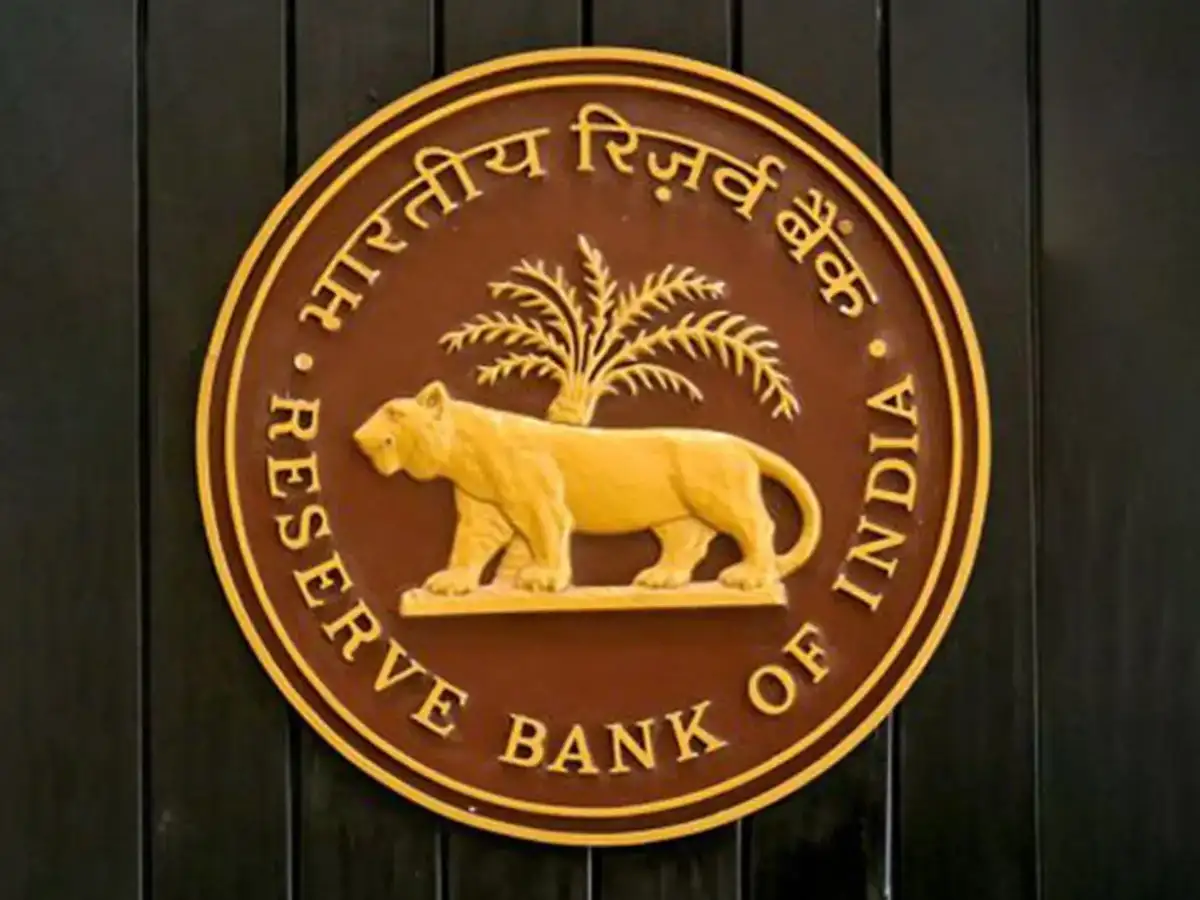

India’s rate-setting panel sought to avoid a ‘policy mistake’ through a period of global uncertainty and unpredictable monsoon rains, showed the minutes of the early June deliberations by monetary policymakers, helping explain their decision to maintain a status quo on the central bank's stance and rates.
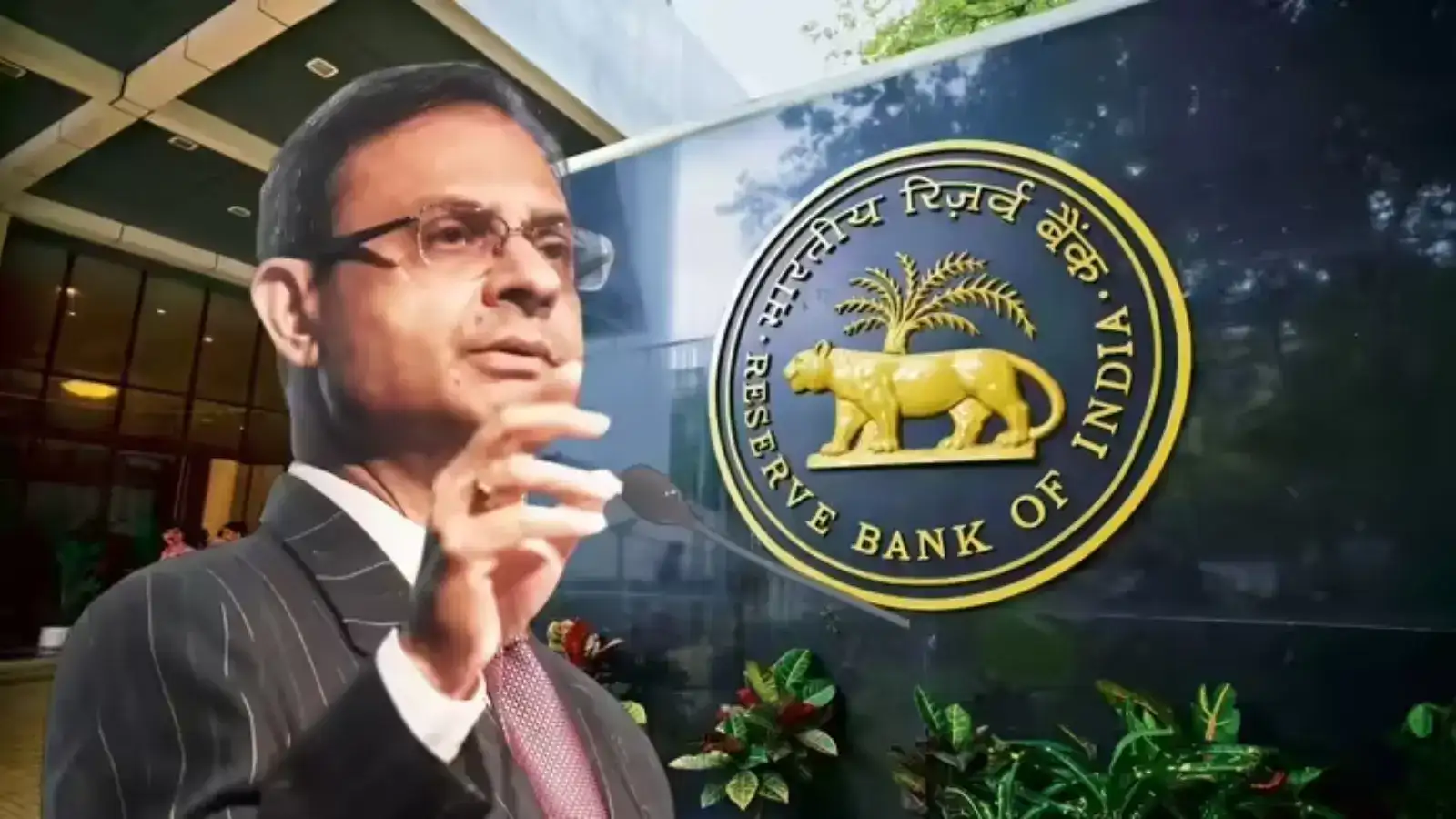
"There is high uncertainty in the assumptions made for projections of both inflation and growth on account of several reasons – the duration of the conflict and the disruption in supply chains, the intensity and geographical spread of monsoons and their impact on energy, food and other commodity prices," central bank governor Sanjay Malhotra said at the meeting, the minutes of which were published Friday.
Also read: RBI cautions against misleading campaigns promising loan waivers
Besides the West Asia conflict-led spike in crude prices, the likely El Nino impact took the centrestage in the monetary policy deliberations. The Reserve Bank of India (RBI) kept its policy rates and stance unchanged, Malhotra announced on June 5.
The central bank governor underscored the need to be data dependent in anticipation of a second-round impact of higher energy prices.
"Going forward, revision in retail prices of petrol and diesel in May would lead to higher fuel inflation in the coming months," he said, adding that food prices risks have amplified, especially from a below-normal monsoon as predicted by the weather bureau and likely El Niño conditions.
To be sure, while monetary policymakers maintained a status quo on rates, the policy review meeting grabbed column inches for the raft of measures taken by both the Centre and the RBI to help increase overseas fund flows through latitudes offered toward external commercial borrowing plans and bank deposits. Those measures were announced during the policy review meeting on June 5.
Meanwhile, Brent crude prices, which averaged around $67 per barrel during January-February, crossed $100 a barrel after the war began. It quoted at $77.25 a barrel on June 19 while the local fuel prices remained elevated.
"We should remain watchful and wary about the generalization of inflation in the coming months," the governor said, while voting for a status quo on the policy rate at 5.25% and retaining the neutral stance.
The central bank projected the GDP growth for 2026-27 at 6.6%, 100 basis points lower than the 2025-26 growth rate of 7.6%.
One basis point is a hundredth of a percentage point.
The CPI headline inflation is projected at 5.1% for 2026-27, representing a 300-basis point increase over the very benign rate of 2.1% for 2025-26.
High inflation typically favours policy tightening while the country's top economists wanted more clarity before committing to rate reversals. They avoided the rate hike also to prevent the risk of further growth deceleration.
"I feel we ought to wait a bit more for global as well as weather related uncertainties to play out over the coming months, before taking a call on whether and when to reverse the policy cycle," Deputy Governor Poonam Gupta said.
"Once the West Asia conflict is resolved, the outlook, both for India as well as globally, could improve rapidly warranting a fresh look at the inflation-growth dynamics," she added
External members of the panel concurred.
"The chances of a policy mistake remain heightened given the two-way risks on the inflation-growth outlook," said external member Saugata Bhattacharya, citing prevailing tight monetary conditions. "Trends in domestic financial markets as of early June 2026 suggest that these tight conditions continue, obviating the need for additional tightening via the policy repo rate. Given the multiple overlapping geo-economic shocks clouding the future, I believe that risk management is now the most sensible approach to monetary policy responses; this has now been articulated by multiple central banks and academic research," he said.
Nagesh Kumar, meanwhile, sought greater clarity on the macroeconomic impact before any monetary policy response. "One needs to keep an eye on the evolving geopolitical situation in West Asia and its implications for the Indian macroeconomic outlook, especially the growth-inflation dynamics," Kumar said.
Most of the observed increase in inflation was on account of higher food inflation while core inflation remained contained, suggesting that underlying inflation pressures remained subdued.
Despite the challenges, the monetary policy committee (MPC) members agreed that India has entered the crisis with much stronger macroeconomic fundamentals than most previous economic crises such as the global financial crisis in 2008, taper tantrum and Covid 19.
Before the conflict started at the end of February, the Indian economy was enjoying a ‘goldilocks moment’ of robust growth and very benign inflation.
These factors made the Indian economy better equipped to withstand the current shock than the previous ones, Nagesh Kumar said.
However, global uncertainty has affected the local economic outlook.
"We are faced with a delicate balancing act of supporting resilient yet uneven growth while keeping a check on rising inflationary pressures in a highly volatile external environment," said external member Ram Singh.
"While the economy has withstood the conflict spillovers with limited impact so far, the strains are increasingly becoming visible. The El Nino weather phenomenon can significantly impact agricultural growth and rural demand. In such an environment, the MP should not dampen the modest but encouraging signs of a pick-up in private investment. We must design policy carefully to support growth without risking the unanchoring of inflation expectations," he added.