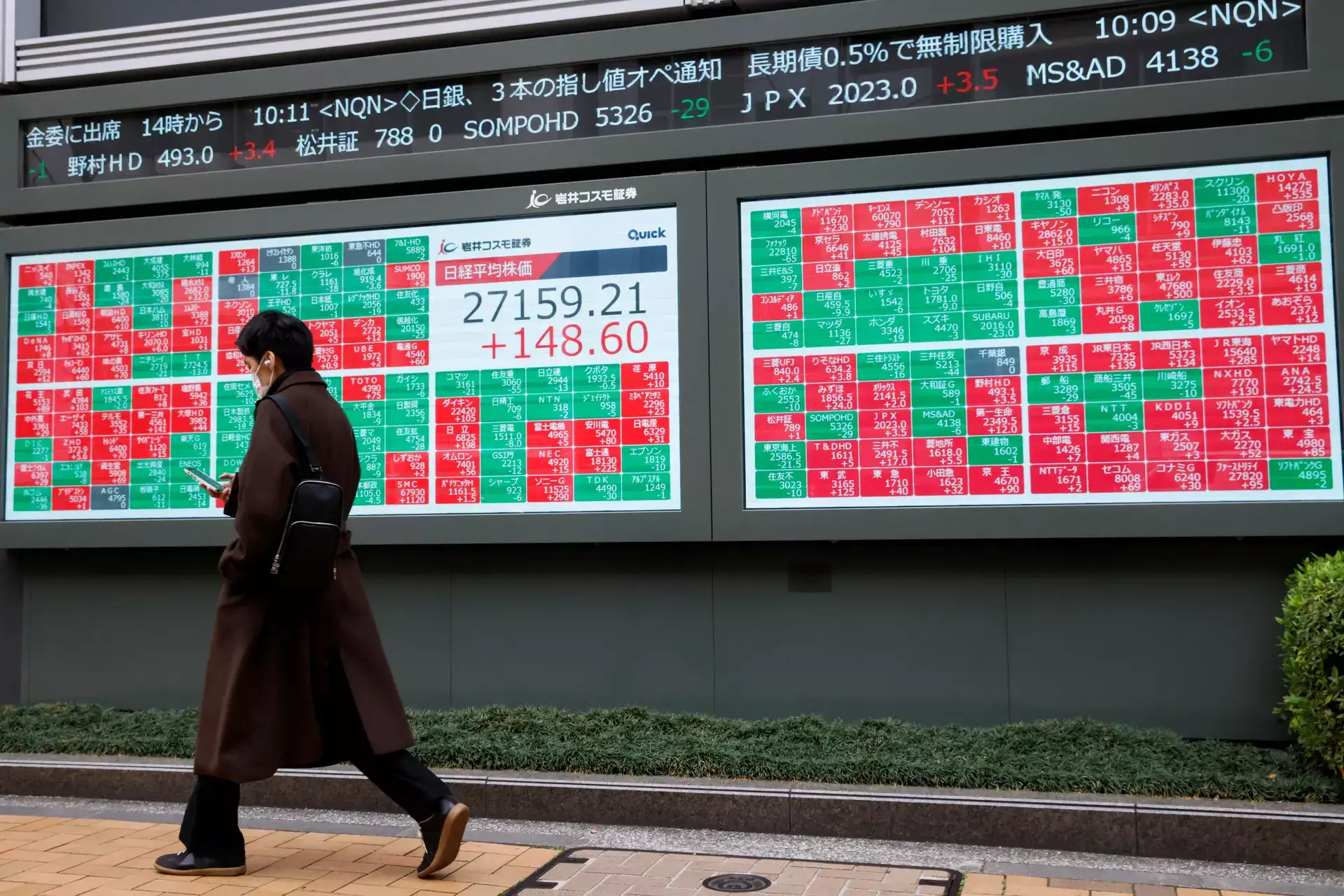
Foreign institutional investors (FIIs) have remained net sellers in Indian equities amid concerns over global growth, elevated interest rates, geopolitical uncertainties and attractive yields in developed markets.
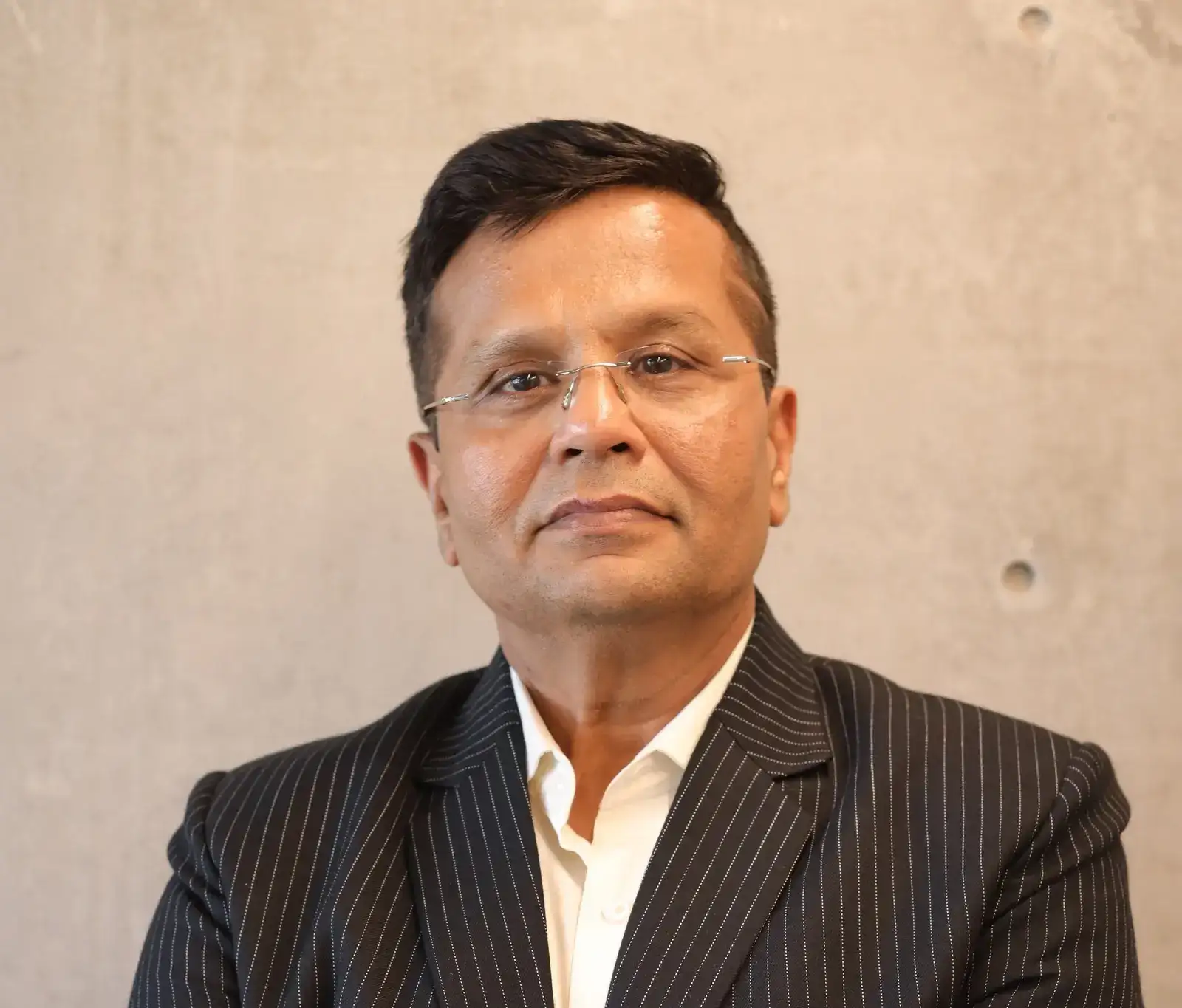
However, interpreting these outflows as a sign of waning confidence in India may be misleading, says Milan Parikh, Chairman & Managing Director of Jainam.
In this edition of ETMarkets Smart Talk, Parikh argues that the current trend reflects a broader global capital reallocation cycle rather than an exodus from India. He believes global investors are becoming more selective, favouring businesses with strong balance sheets, earnings visibility and resilient growth prospects.
Parikh also shares his views on the evolving behaviour of retail investors, the growing relevance of global diversification, key macro risks facing markets, and why sectors such as manufacturing, defence and infrastructure could play a bigger role in shaping India's next phase of market leadership. Edited Excerpts –
Q) What is weighing on Indian markets? Is it the macro overhang that is weighing on the markets?
A) Indian markets are currently balancing strong domestic fundamentals against emerging global developments.
Factors such as elevated global interest rates, geopolitical tensions, commodity volatility, and slowing growth expectations across major economies are creating caution across global equity markets.
Liquidity conditions globally have also become tighter compared to the last few years, which is influencing risk appetite across emerging markets.
At the same time, Indian markets have delivered relatively strong performance over a longer period, which has naturally led to higher expectations around earnings and valuations. Hence, the current pressure is coming from a combination of global macro factors, tighter liquidity conditions, and elevated market expectations.
Q) FIIs seem to be in a hurry to sell off India. Where is smart money moving?
A) The current FII movement reflects a global capital reallocation cycle rather than a loss of confidence in India specifically.
Right now, global investors and traders are becoming more tactical about where they deploy money. With higher US bond yields and better near-term risk-reward opportunities emerging in some developed markets, a portion of capital is naturally moving towards safer or relatively cheaper assets.
But if you look deeper, smart money is not necessarily ‘leaving India’; it is becoming more selective within the country and across global markets. Investors and traders today are rewarding visibility, balance sheet strength, and businesses that can sustain growth despite global volatility.
It is also important not to read short-term FII selling as the final verdict on India’s long-term story. India continues to stand out because of its structural growth drivers, rising domestic consumption, manufacturing push, digital adoption, and ongoing formalisation of the economy.
The resilience of domestic participation over the last few years has also changed the character of Indian markets significantly.
In many ways, global capital may move in cycles, but long-term opportunities continue to gravitate towards economies where growth visibility remains intact, and India still remains one of those markets.
Q) Jainam’s new brand identity reflects a shift toward becoming a more guidance-oriented investing partner. How do you see investor expectations evolving beyond just transactional investing platforms?
A) Today, investors and traders are looking beyond transaction execution and seeking clarity, guidance, trust, and perspective while making financial decisions.
Markets have become faster, information flows have become denser, and participation has expanded significantly across segments. In such an environment, investors and traders increasingly value platforms that can provide perspective during volatility and act as a dependable guide across different market conditions and investment journeys.
This becomes even more relevant as younger and first-time investors and traders continue entering markets through digital platforms. While they are comfortable with technology, they also expect transparency, simplicity, educational support, and responsible communication from financial brands.
That thinking is central to Jainam’s evolved identity. The intention behind the transformed identity is to reflect a more contemporary and guidance-oriented approach towards investor and trader participation.
Q) With retail participation rising rapidly in India, how are investor expectations evolving beyond just low brokerage and easy access?
A) Retail investors today are becoming more aware, more research-oriented, and more experience-conscious compared to earlier cycles.
Low brokerage and easy onboarding were strong differentiators at one stage because they helped simplify access to markets. Today, most platforms offer similar convenience.
Investors and traders are now paying closer attention to platform experience, quality of insights, clarity of communication, reliability during volatile periods, and the overall confidence they feel while making decisions.
There is also a visible shift towards investors wanting a better understanding of markets and long-term wealth creation rather than only faster execution and transactional access.
As India’s investor and trader base continues to expand beyond traditional market centres, this responsibility becomes even more important for financial institutions.
Q) With the macro overhang, do you think global brokerages are becoming too cautious on India, or are these concerns justified?
A) Some amount of caution is understandable in the current environment because global markets are dealing with multiple macro variables simultaneously.
India has also delivered relatively strong market performance over the last few years, which naturally leads to higher expectations and closer scrutiny on valuations, earnings growth, and liquidity trends.
In such phases, global institutions generally become more selective and valuation-sensitive.
At the same time, India’s broader economic positioning continues to remain comparatively strong because of strong domestic participation, visibility of economic activity, and consistency of capital market inflows.
Q) Do you think India’s market leadership could broaden beyond IT and financials if the global cycle shifts toward manufacturing, defence, and infrastructure themes?
A) There are visible signs of market participation gradually broadening across sectors.
Manufacturing, defence, infrastructure, railways, capital goods, and energy-linked themes are seeing stronger policy support, higher capital allocation, and increasing investor interest.
There is also greater focus globally on supply chain diversification and domestic manufacturing capabilities, which could benefit India over a longer horizon.
As the economy diversifies further, market leadership may also become more broad-based and reflective of multiple growth engines within the economy rather than remaining concentrated in a few sectors.
Q) Do you think retail investors today are becoming more mature in handling market corrections compared to previous cycles?
A) A few years ago, market corrections would often lead to panic exits and complete disengagement from markets.
Today, investors and traders appear relatively more accepting of volatility as part of the investing journey rather than viewing every correction as a signal to exit participation entirely.
The change is also visible in how investors and traders are approaching market declines. Corrections are increasingly being viewed as phases to reassess portfolios, stagger investments, or improve allocation quality instead of reacting emotionally to short-term market movements.
The rise of SIP participation, wider market awareness, and continuous exposure to multiple market cycles have gradually strengthened investor and trader behaviour. Participation today is becoming more process-driven and less impulse-driven.
At the same time, true behavioural maturity in markets is usually tested during prolonged uncertainty and not during shorter corrections. But compared to previous cycles, there is definitely a visible improvement in patience, participation continuity, and long-term investing behaviour across retail investors.
Q) With rising global macro risks—from geopolitical tensions to oil price volatility—what are the biggest threats investors should be paying attention to right now?
A) The larger concern currently is the combination of multiple global risks interacting simultaneously rather than one isolated event.
For India specifically, crude oil remains one of the most important variables to watch because of its direct impact on inflation, fiscal positioning, currency stability, and overall economic sentiment.
Alongside that, global liquidity conditions and interest-rate direction from major central banks will continue to influence capital flows into emerging markets like India.
In the current environment, investors and traders should focus more on balance-sheet quality, earnings visibility, capital discipline, and sectors linked to long-term domestic growth rather than getting carried away by short-term momentum or excessive global noise.
Periods like these generally reward disciplined participation, diversified allocation, and a stronger focus on business quality over market sentiment.
Q) Are we likely entering a phase where global diversification becomes more important for Indian investors than it was in the past decade?
A) Global diversification is becoming increasingly relevant as investor and trader participation and portfolios evolve.
Indian markets continue to offer strong long-term opportunities, but investors and traders are also becoming more aware of diversification across geographies, sectors, currencies, and economic cycles as portfolios become larger and more mature.
Global exposure today is also linked to participation in sectors, technologies, and business ecosystems that may not be fully represented within domestic markets.
It also helps investors reduce concentration towards a single economy or market cycle over long investment horizons.
Diversified portfolios generally tend to create more balanced risk participation across changing global market environments.
Disclaimer: Investments in the securities market are subject to market risks. Read all related documents carefully before investing. For more details, visit: https://www.jainam.in/disclaimer/
(Disclaimer: Recommendations, suggestions, views, and opinions given by experts are their own. These do not represent the views of the Economic Times)