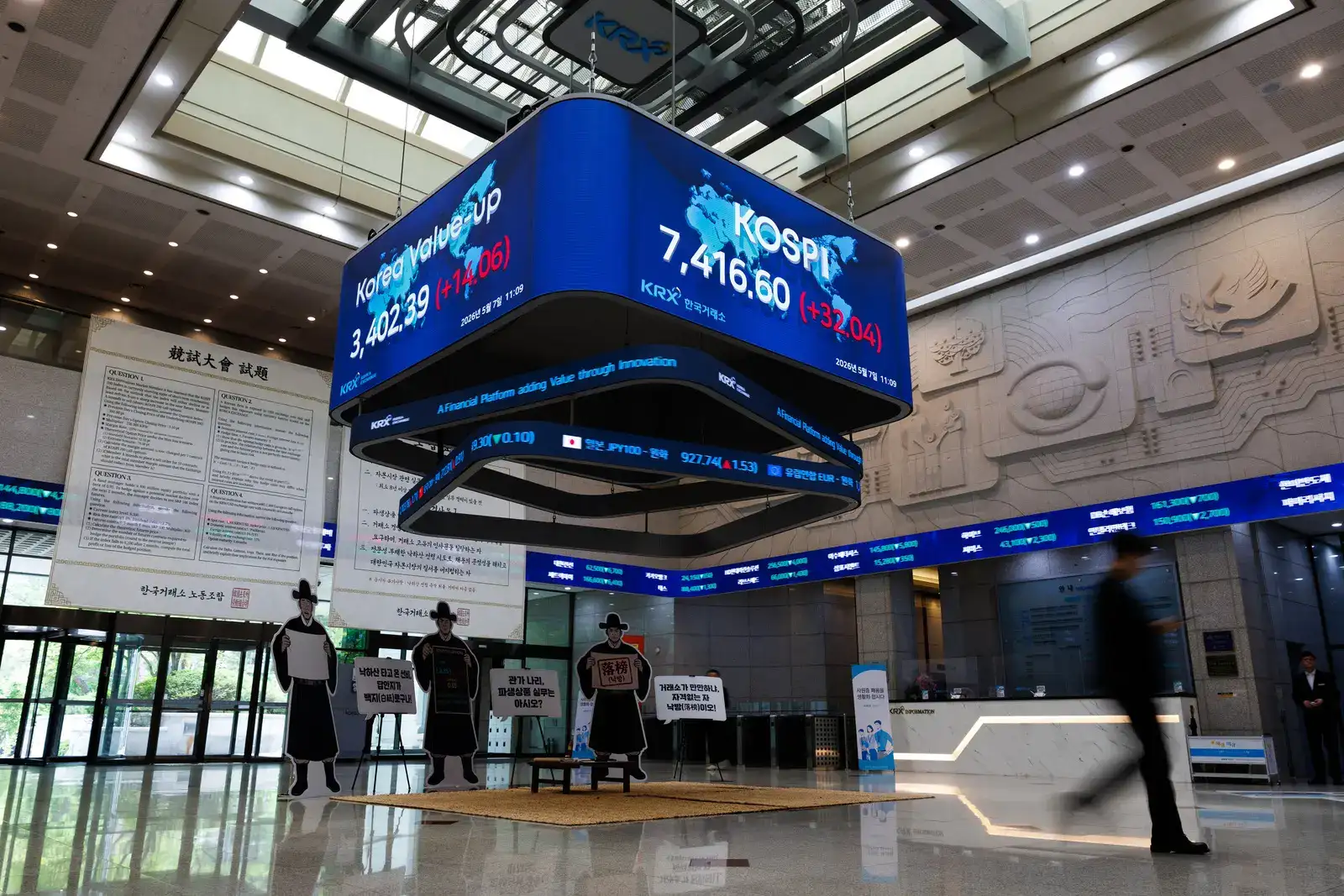
Sensex declined 117 points to close at 74,243, while Nifty 50 ended the session at 23,367. This came even as India VIX, which measures volatility in the Indian stock market, declined nearly 1% to 15.75.
Analyst Sudeep Shah, Vice President and Head of Technical & Derivatives Research at SBI Securities, interacted with ETMarkets regarding the outlook for the Nifty and Bank Nifty, as well as an index strategy for the upcoming week. The following are the edited excerpts from his chat:
For the second consecutive week, the benchmark index Nifty ended in negative territory. On the weekly chart, the index formed a bearish candle with shadows on both sides, reflecting indecisiveness among market participants. Notably, over the last four trading sessions, the index has been hovering near its previous swing low, indicating a lack of directional conviction. Yet, beneath this seemingly quiet price action, a fascinating battle between bullish and bearish signals continues to unfold.
Interestingly, Nifty formed a Bullish Belt Hold pattern on Tuesday, followed by a Gravestone Doji on Wednesday. However, the absence of any meaningful follow-through on Thursday and Friday suggests that traders remain cautious.As a result, the index has largely traded within a narrow range over the past four sessions. The bigger question, however, is why the index remains trapped despite these contrasting candlestick formations.
A key reason behind this sideways movement is the divergence between the index's heavyweight sectors. While Nifty Bank has been showing relative strength, Nifty IT has continued to underperform, resulting in a tug-of-war that has kept the benchmark range-bound. Additionally, Nifty continues to trade below its crucial moving averages, while momentum indicators are also signaling a lack of strong directional bias. When heavyweight sectors pull in opposite directions, the next move often becomes more explosive once the stalemate is broken. These technical factors suggest that the index is likely to remain in a consolidation phase in the near term.
What is the current F&O positioning signalling for Nifty and Bank Nifty going into the new week?
Current F&O positioning indicates a neutral-to-slightly bearish undertone heading into the new week. While the Put-Call Ratio improved materially during the week, signalling that bearish aggression has moderated, call writers remain active at higher levels. With put support concentrated around 23,400–23,500 and significant call resistance near 23,700–24,000, the market is likely to remain range-bound unless a decisive breakout or breakdown triggers fresh positioning.
The banking benchmark index, Bank Nifty, outperformed the frontline indices during the past week, ending on a positive note. The index formed a small-bodied candle with a long lower shadow, highlighting strong buying interest emerging at lower levels.
From a relative strength perspective, the ratio chart of Bank Nifty versus Nifty has witnessed a consolidation breakout and has started trending higher, indicating sustained outperformance. Currently, the index is trading above its 20-day EMA, suggesting a relatively resilient bias. However, momentum indicators are still hovering sideways, reflecting a lack of strong directional conviction in the near term.
Going forward, the 50-day EMA zone of 55,000–55,100 is expected to act as an immediate resistance area. A sustained move above 55100 could pave the way for a sharp upside rally towards 55,800, followed by 56,500 in the short term. On the downside, the 53,800–53,700 zone will serve as a crucial support area, providing a cushion against any near-term weakness.
TCS, Infosys and Wockhardt witnessed sharp swings this week. How should investors approach these stocks at current levels?
We recommend avoiding TCS and Infosys for now as the major trend of both the stocks is bearish. The stock of Wockhardt Ltd has witnessed a profit booking after the sharp upside rally. Going ahead, if the stock sustains above 2,070 level then it is likely to resume its upward rally.
HDFC Bank stock continues to remain under pressure and is forming a lower top–lower bottom structure on the daily chart, indicating a prevailing bearish trend. Currently, it is trading near its recent swing low, reflecting weak price action and the absence of strong buying interest at current levels.
Technically, the stock is trading below its key moving averages, reinforcing the negative bias. Momentum indicators also remain weak, with the RSI hovering near the 40 mark, indicating subdued momentum, while the MACD remains in negative territory, highlighting continued bearish undertones. The overall setup suggests that sellers remain in control, and any meaningful reversal would require the stock to reclaim key resistance levels.
Going forward, the Rs 730–725 zone will act as a crucial support area. A sustained move below Rs 730 could invite fresh selling pressure and drag the stock towards lower levels. On the upside, only a decisive move above Rs 780 would indicate a short-term trend reversal and could trigger a pullback rally towards the Rs 810–820 zone. Until then, the overall structure is likely to remain weak.
Have you seen any meaningful change in the Put-Call Ratio (PCR) this week, and what does it signal about market sentiment?
The Put-Call Ratio (PCR) has improved from 0.5 at the beginning of the week to 0.69 currently, indicating that bearish aggression is gradually easing. Despite this improvement in positioning, Nifty continues to trade within a narrow range, suggesting that neither bulls nor bears have established decisive control. The rise in PCR points to reduced call writing pressure. However, the absence of a price breakout indicates that market participants are still awaiting a stronger directional trigger. Until a range breakout occurs, the prevailing expectation remains one of sideways consolidation with a slightly improving undertone.
What are the key support and resistance levels traders should keep an eye on in the coming week?
On the downside, the zone of 23,100–23,050 will act as a critical support area, as the 61.8% Fibonacci retracement of the previous rally from 22182 to 24,602 is positioned within this range. A decisive breach below 23050 could trigger a sharper correction towards 22,700, followed by 22,500 in the short term. Equally important is the resistance zone, as it could determine whether the current consolidation transforms into a meaningful recovery.
On the upside, the zone of 23,550–23,600 is expected to act as a crucial resistance hurdle. A sustained move above 23,600 could pave the way for a sharp recovery towards 23,900, followed by 24,100 in the short term.