
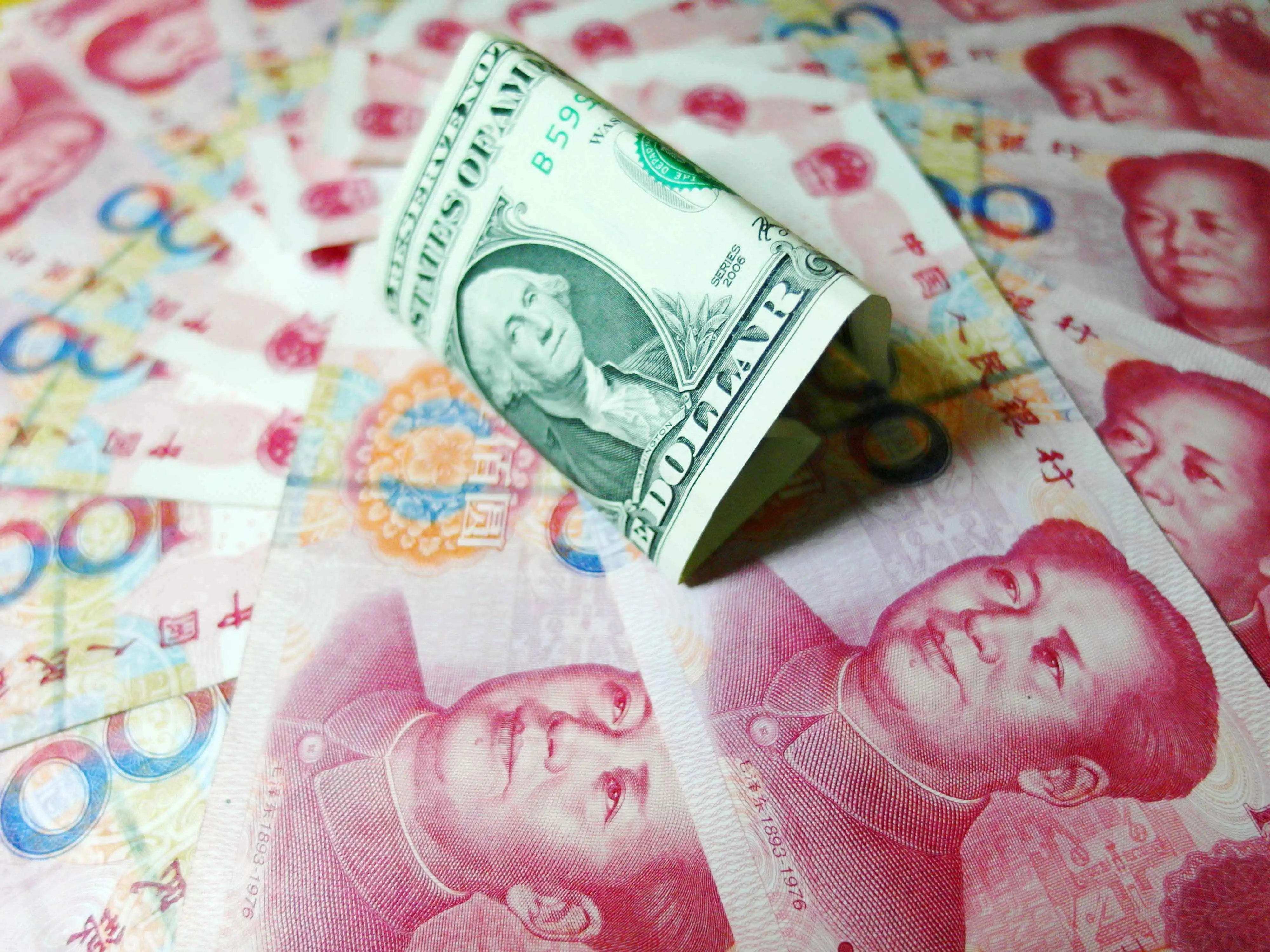
Beijing and Hong Kong authorities on Tuesday announced a broad package of measures aimed at strengthening Hong Kong's position as the leading offshore yuan hub, expanding cross-border financial market connectivity and enhancing the city's role in global currency, bond and gold trading, according to Reuters.
The initiatives include expanding the southbound Bond Connect quota, increasing yuan liquidity support for Hong Kong, launching a new gold clearing infrastructure and introducing measures to deepen bond and foreign exchange trading. The announcements come as China steps up efforts to internationalise the yuan amid growing geopolitical tensions and shifting global investment flows.
One key measure is the expansion of the southbound Bond Connect programme, which enables mainland Chinese investors to purchase bonds listed in Hong Kong. Reuters reported that the investment quota will be increased to 800 billion yuan ($117.79 billion) from the current 500 billion yuan, providing greater access for mainland investors to offshore bond markets.
Additionally, Beijing expanded a yuan-liquidity facility with the Hong Kong Monetary Authority to 500 billion yuan from 200 billion yuan, significantly increasing the offshore yuan pool available to support market liquidity.
China Sees Growing Global Demand for Yuan
According to Reuters, People's Bank of China Governor Pan Gongsheng said Hong Kong stands to benefit from investors' increasing need to diversify assets as well as China's ongoing efforts to expand the international use of the yuan.
He noted that demand for the Chinese currency is broadening beyond trade settlement into investment, financing, pricing and reserve holdings as the global monetary system becomes increasingly multipolar.
Analysts view the latest measures as an important step toward strengthening financial market connectivity, attracting international capital and reinforcing Hong Kong's role as a bridge between mainland China and global markets.
Hong Kong Pursues Gold Trading Ambitions
Hong Kong also launched a central gold clearing system on Tuesday while reviving U.S. dollar-denominated gold futures trading. Authorities are additionally studying the introduction of yuan-denominated gold futures as part of plans to transform the city into a regional precious metals reserve and trading hub.
According to Reuters, Hong Kong Chief Executive John Lee said the new clearing infrastructure would help establish a comprehensive gold trading ecosystem. The government also plans to introduce tax incentives to encourage gold trading and settlement activities.
Hong Kong aims to increase its total gold storage capacity more than tenfold to exceed 2,000 metric tonnes by 2030, positioning itself to benefit from rising global demand for safe-haven assets amid market volatility and geopolitical uncertainty.
The city also launched a "Delivery Connect" programme with the Shanghai Gold Exchange to facilitate cross-border gold settlements, Reuters reported.
New Push for Secondary Bond Trading
Hong Kong's Securities and Futures Commission plans to develop a new electronic trading platform in partnership with the People's Bank of China's trading unit to improve efficiency in bond and foreign exchange trading.
The initiative marks a strategic shift toward promoting secondary market activity after years of focusing primarily on new bond issuances.
Officials believe Chinese bonds, known for their relative stability and comparatively low volatility, continue to offer attractive diversification opportunities for global investors. Lower yuan financing costs are also expected to support further market development.
Offshore Yuan Market Set for Growth
Market participants expect the latest reforms to strengthen Hong Kong's offshore yuan, or "dim sum," bond market, making it an increasingly important channel connecting international issuers with Chinese investors.
China also plans to deploy more of its foreign exchange reserves into Hong Kong's financial markets while introducing additional tools that allow selected onshore bonds under the Bond Connect programme to be used as collateral for risk management.
Meanwhile, activity on Hong Kong's Swap Connect derivatives platform remained strong, with trading contracts rising 50% year-on-year in the second quarter, reflecting robust overseas demand for yuan-linked financial products, according to Reuters.