
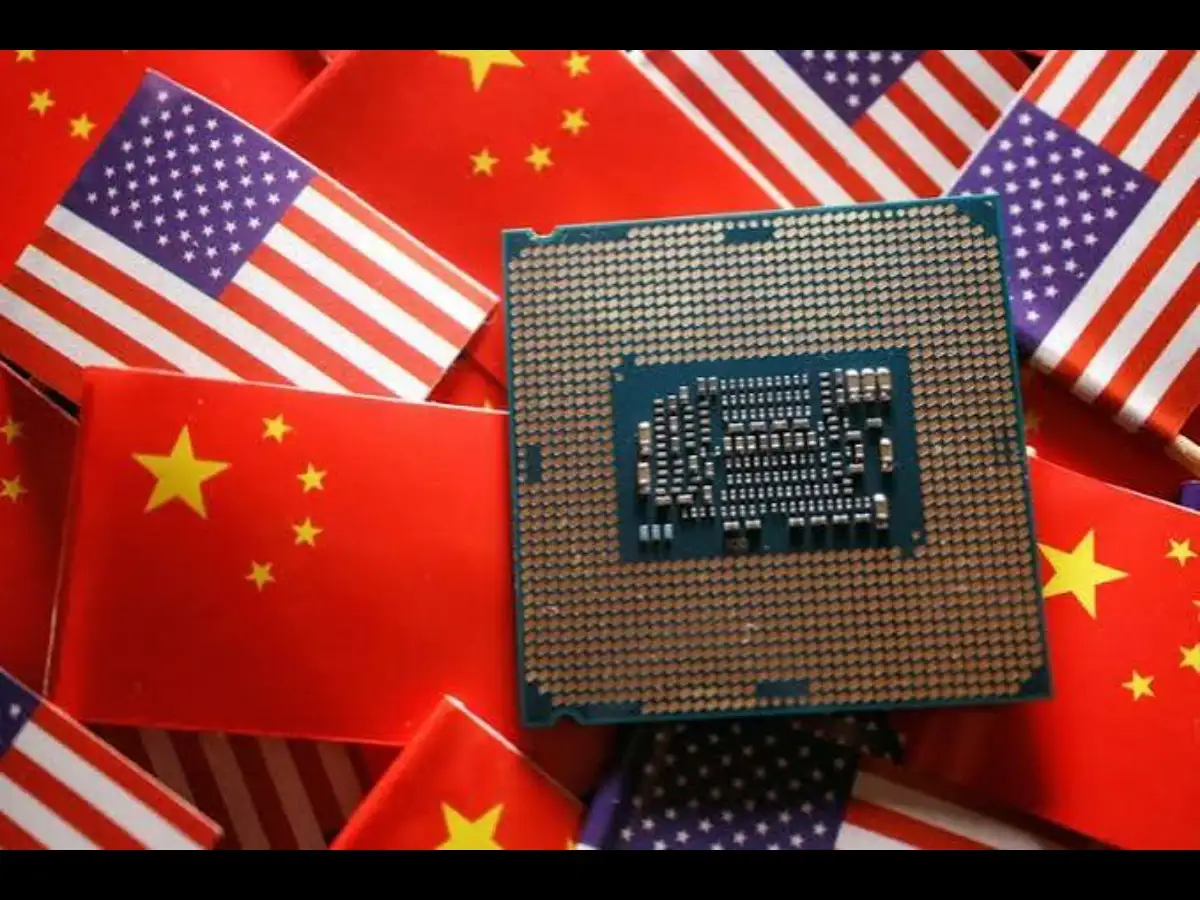
Shares of Chinese optical module makers slumped on Wednesday after a Reuters report said the Trump administration was drafting a ban on U.S. imports of new models of Chinese data centre components, triggering a sharp selloff across the sector.
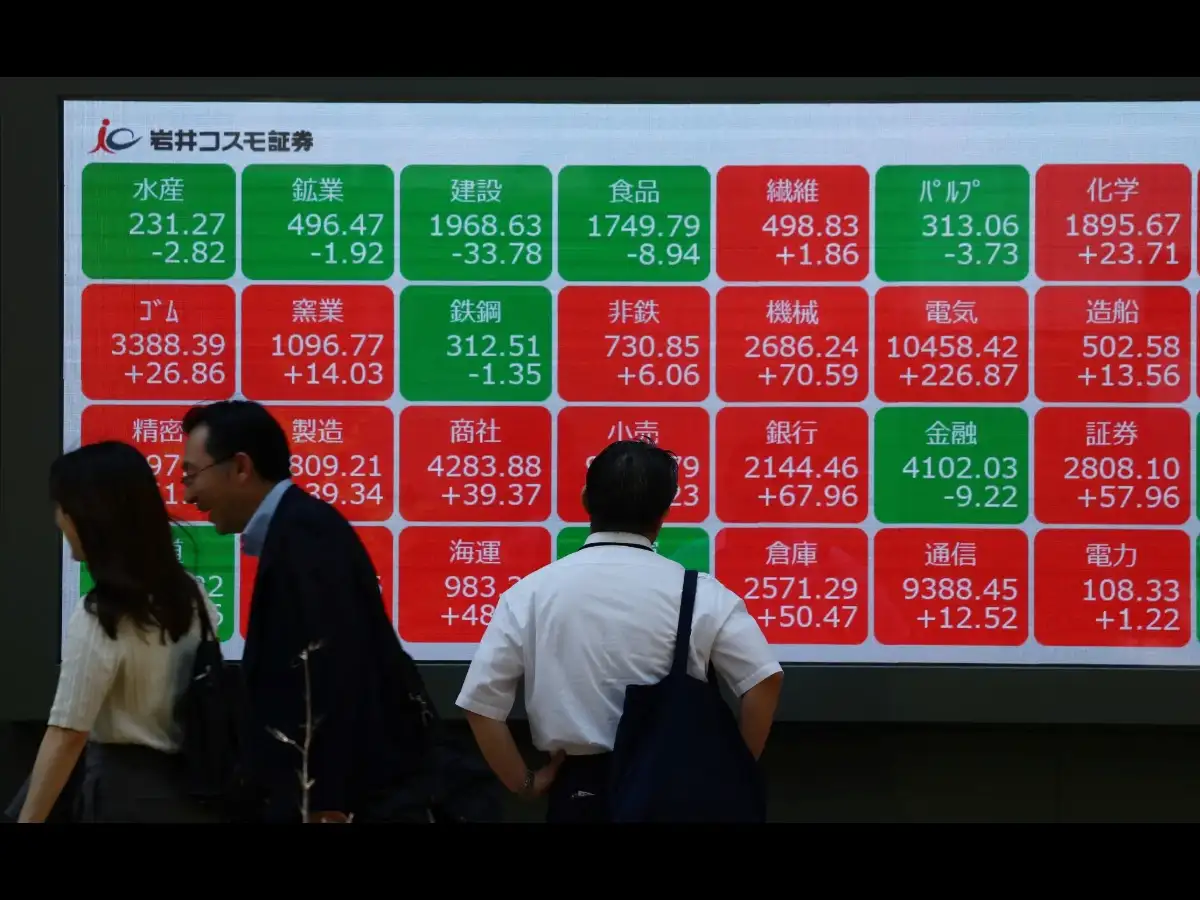
The CSI300 Telecommunication Services Index dropped as much as 9% in early trade, led by heavy losses in export-oriented optical module manufacturers.
The proposed restrictions added to pressure on China's AI hardware sector, which has already witnessed heightened volatility in recent weeks. Despite the sharp market reaction, some analysts suggested investors may have overestimated the likelihood of the measure being implemented.
Jefferies said in a research note that the risk of the proposed ban being enforced remained low, adding that it viewed the move as a potential negotiating tactic ahead of an expected meeting between U.S. President Donald Trump and Chinese President Xi Jinping in September. The brokerage also pointed to China's restrictions on rare earth exports, which have affected the U.S. optics industry.
The negative sentiment was largely confined to optical module makers, while shares of domestic Chinese chipmakers advanced, highlighting a divergence within the broader AI hardware segment, Reuters said.
Zhongji Innolight, the 10th-largest China-listed company by market capitalisation, fell around 10% in both its Shanghai and Hong Kong-listed shares. The company derived 62% of its first-quarter revenue from the U.S. market and had earlier warned that escalating trade tensions between China and the U.S. could significantly hurt its financial performance.
Eoptolink Technology, which generates 96% of its revenue from overseas markets, also dropped 10%. Suzhou TFC Optical Communications, another company with substantial exposure to foreign markets, declined about 6%.
According to legal experts, the reported U.S. proposal reflects Washington's broader strategy of tightening restrictions on China's access to advanced technology and the U.S. market. Analysts said Chinese companies may increasingly need to diversify their customer base and expand into alternative overseas markets to reduce reliance on the United States, Reuters reported.
The latest development underscores growing uncertainty for Chinese technology exporters as geopolitical tensions and trade restrictions continue to reshape global supply chains, according to Reuters.