US equity-index futures opened higher in early Asian trading as buyers returned following Friday’s sharp selloff sparked by an unwinding of the artificial intelligence trade. Treasury bond futures fell.
Contracts for the S&P 500 Index rose 1.9% and those for the Nasdaq 100 Index climbed 2.6%.
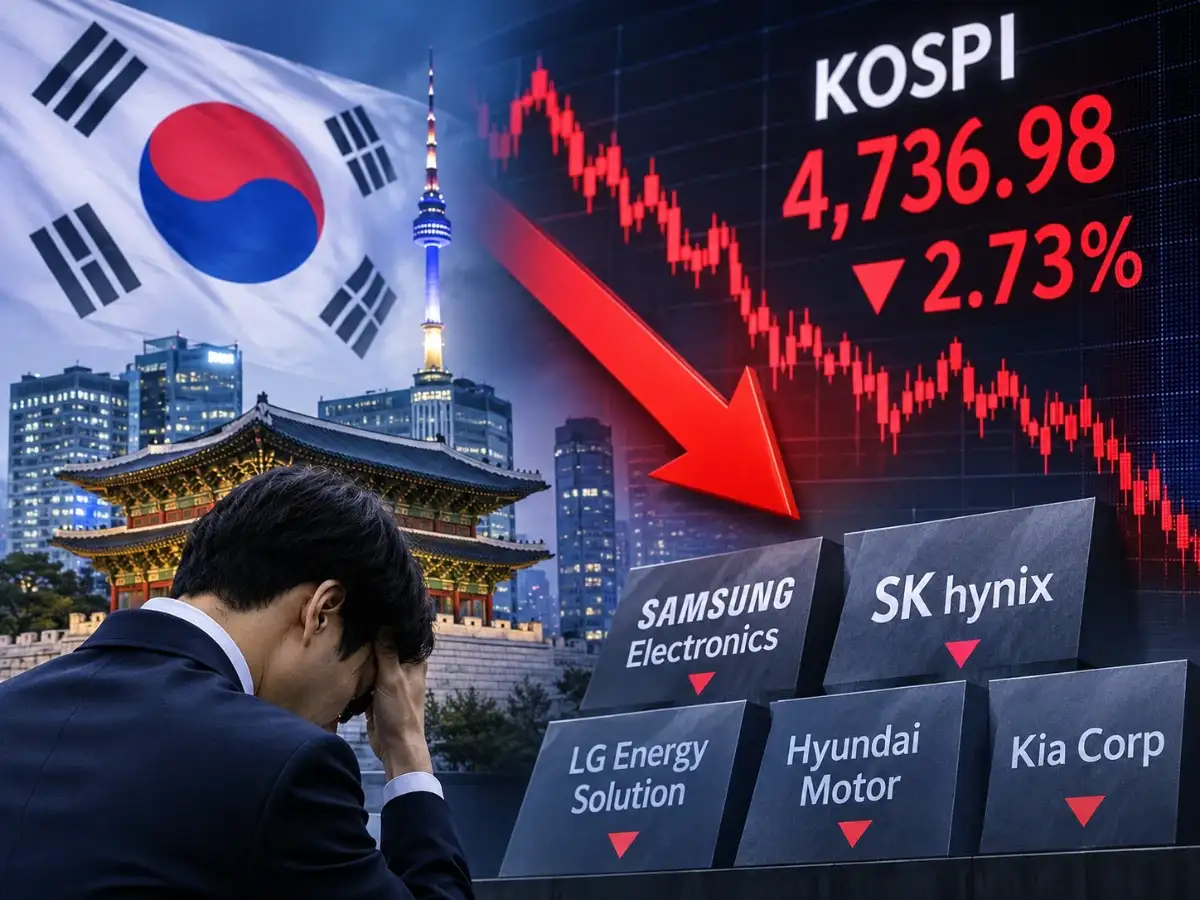
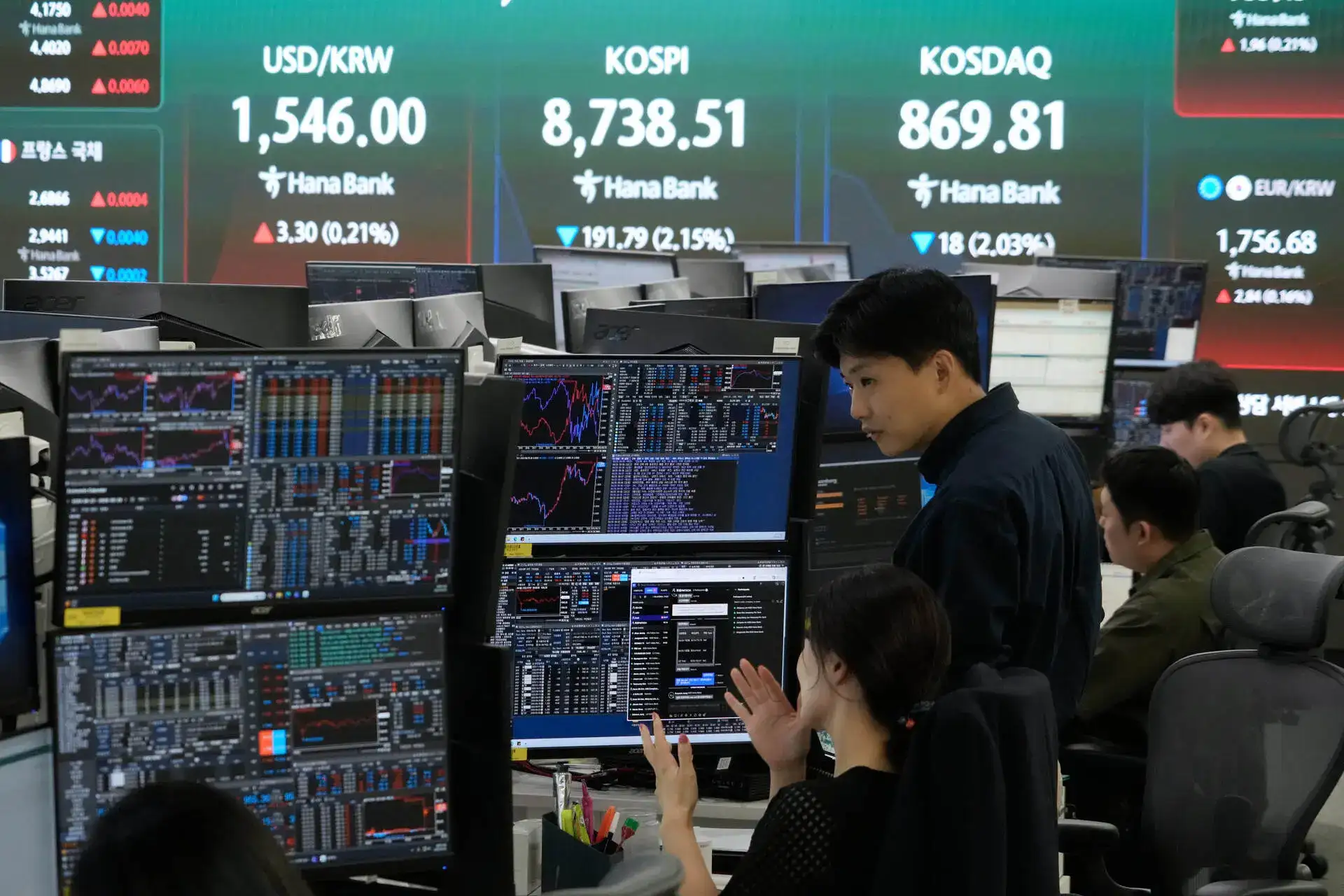
Still, a tone of caution persisted in Asia, with Samsung Electronics Co. and SK Hynix Inc. — among the biggest beneficiaries of the AI trade — opening lower. The Kospi Index in South Korea fell 2.6% in early trading. Equities in Australia edged down, while Japanese markets are closed Monday for a holiday.
Read more: Stocks in news: Adani Energy, Maruti Suzuki, RailTel, Waaree Energies and Indian Bank
“We reiterate our view that the recent pullback in risk assets is mostly an AI de-leveraging event amidst weak sentiment, coupled with a more hawkish Fed reaction function being priced in,” JPMorgan analysts said in a note. “We keep the faith in the durability of the AI supercycle, supported by lower leverage and improved positioning.”
Elsewhere in markets, US Treasury futures declined in early Asian trading as demand for haven assets ebbed. Brent crude fell 0.8% to around $91.80 a barrel, while spot gold rallied 1.1% to about $3,575 an ounce after five straight days of losses. Cash trading in US Treasuries is closed during Asian hours due to Japan’s holiday.
Traders in Asia were bracing for another bout of volatility even as regional authorities stepped up efforts to shore up markets. On Friday, the S&P 500 entered a technical correction and the Nasdaq 100 posted its worst week since March 2020. The VIX Index, Wall Street’s so-called fear gauge, surged to its highest since April 2025.
Goldman Sachs Group Inc.’s trading desk says last week’s selloff has created an attractive opportunity to snap up US stocks. Still, the bank cautioned that overall investor positioning remains elevated, signaling the broader capitulation needed for a meaningful rally could be missing.
“Generally speaking, panic like we’ve recently seen has been a good opportunity to start adding risk,” the bank’s traders wrote in the note.
Friday’s retreat fueled concern that the US technology selloff is broadening into a wider risk-off move. MSCI’s gauge for Asia Pacific equities is near a bear market after falling about 18% from its June peak, putting the focus on whether authorities can help restore confidence and stem further selling.
Officials across Asia stepped up efforts over the weekend to stem the deepening stock-market rout. China will ease minimum margin requirements for investors buying securities with borrowed funds, while Taiwan widened curbs on short selling and said it has been buying shares after the island’s benchmark suffered its worst weekly drop in 35 years.
South Korean authorities said they will ease daily limits on company share buybacks for three months and begin preparations to activate a stock-market stabilization fund if needed. The rescue fund was last used during the global financial crisis in 2008, according to local media.
Investors are also looking ahead to US inflation data this week. Economists expect the personal consumption expenditures price index, the Federal Reserve’s preferred inflation gauge, to have risen 3.8% in October from a year earlier, according to the median estimate in a Bloomberg survey. The figures are due Wednesday in a Thanksgiving holiday-shortened week.
Still, Friday’s market rout, driven by an unwinding of bets on AI-led growth, prompted traders to pare expectations for a December interest-rate hike as investors piled into Treasuries.
Treasury Secretary Scott Bessent warned Sunday that the Fed risks damaging the US economy by overtightening in response to the latest inflation data, pointing to signs of fragility in the financial system.
“Many people believe that they may be making a policy mistake if they overtighten,” Bessent told CBS’s Face The Nation, noting a series of hawkish comments from the central bank’s governors in recent weeks. “We’ve seen a substantial tightening in financial conditions over the past few months.”