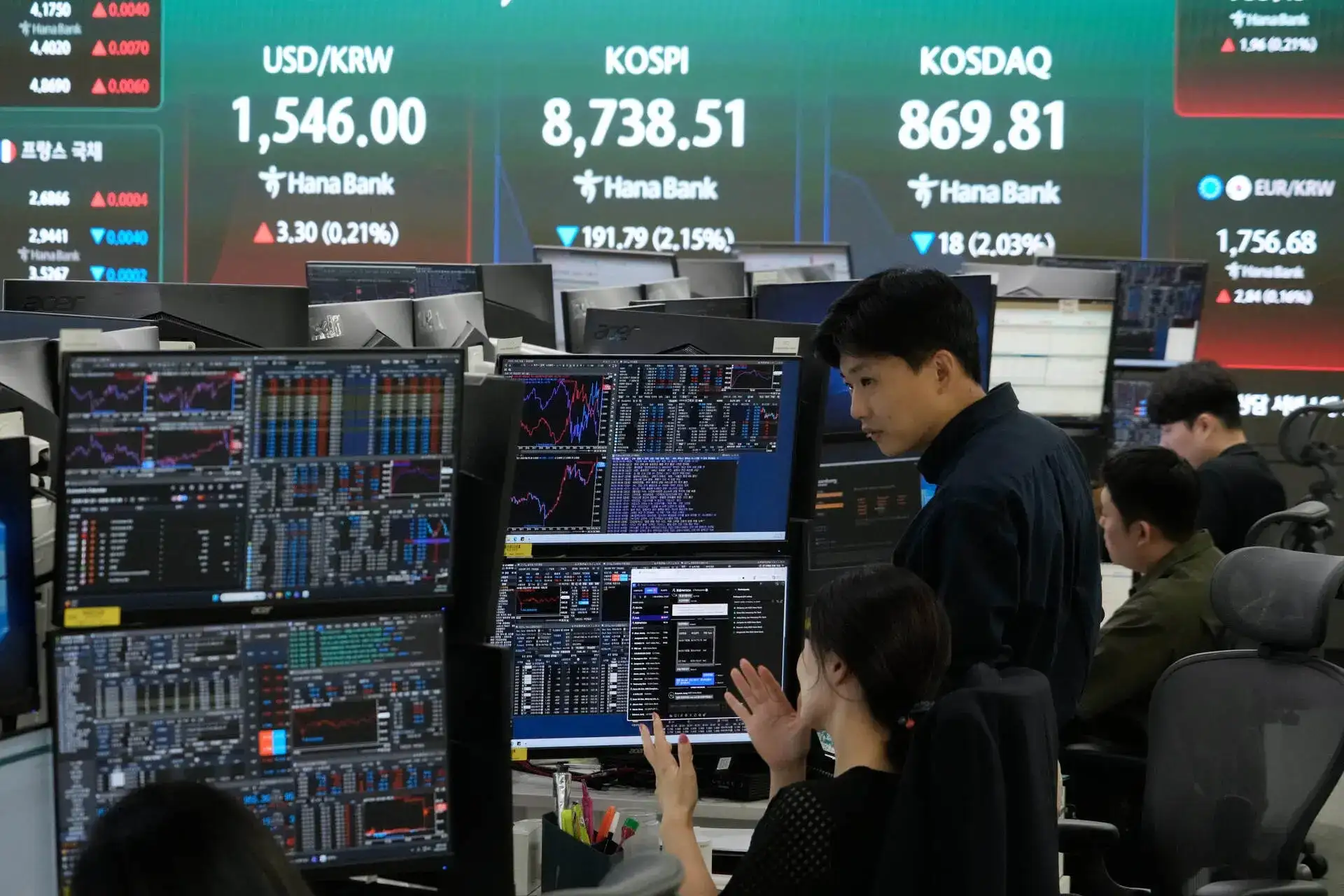
Asian stocks rose after a softer US jobs data report eased pressure on the Federal Reserve to keep raising interest rates. Brent crude rose as Yemen launched a bid to recapture Houthi-controlled areas.
MSCI’s Asia Pacific equities index rose 0.4%, with Japanese shares rallying 2%. Contracts for the Nasdaq 100 rose 0.3% after the underlying gauge closed a record high on Friday and a US index of semiconductor shares rallied.
Brent for December delivery rose above $103 a barrel early on Monday before paring gains after that contract gained almost 5% last week. Prices rallied even after major OPEC+ nations agreed to keep oil production quotas unchanged next month.
Read more:September IPO rush draws $1 billion FPI money even as listed stocks see record outflows
Friday’s US jobs report showed employers added fewer workers in September than economists forecast and wage growth slowed. Bonds remained under pressure even with money markets now pricing in less than 25% chance of a Fed hike in October.
US nonfarm payrolls increased 29,000 last month after a downward revision to the prior two months. That missed all estimates in a Bloomberg survey of economists. The unemployment rate rose to 4.2%, partly reflecting a growing workforce.
“Not too hot, not too cold Goldilocks jobs data for September add to expectations that the Fed won’t rush into another rate hike this month,” Shane Oliver, chief economist and head of investment strategy at AMP Ltd., wrote in a note.
Elsewhere, the Brazilian real edged higher as right-wing senator Flávio Bolsonaro surged to a surprise lead over incumbent Luiz Inácio Lula da Silva in the first round of Brazil’s presidential race. Such a result, if confirmed in final counts, would position him as the favorite in a runoff later this month.
Gold was little changed after capping its biggest weekly loss since June as higher bond yields outweighed bets on a Fed rate hold.
While the underwhelming jobs report sparked a short-lived rally in Treasuries on Friday, the bond market is still in the grip of a months-long rout driven by worries about persistent inflation, government spending and surging corporate borrowing to finance the artificial-intelligence buildout.
Benchmark US 10-year yields last week hit their highest level since 2002.
This week’s auctions of 10- and 30-year Treasuries will test investors demand for longer-maturity debt. The Fed will also release minutes of its September meeting on Wednesday, which may reveal policymakers’ concerns about underlying price trends and expectations.
Investors are also on the alert for signs of contagion in Europe’s government bond market after a selloff last triggered memories of the region’s debt crisis 15 years ago.
“Global bond curves steepened over the past week, and the volatility we are seeing in fixed income yields is finally gaining attention in financial markets more broadly,” Mark Dowding, chief investment officer for fixed income at RBC BlueBay Asset Management, wrote in a note. “Notwithstanding this, over the past several days, market fears for back-to-back central bank rate hikes have appeared to mitigate somewhat.”