Oil extended gains and Treasuries edged lower after the standoff between the US and Iran intensified, raising concern that supply disruptions will reignite inflation and strengthen the case for higher interest rates.
Brent climbed as much as 2.8% to $85.64 a barrel. The commodity had jumped 9.6% on Monday — its biggest gain since May 2020 — after President Donald Trump reinstated the US blockade of Iranian ships transiting the Strait of Hormuz and demanded a 20% reimbursement on all other cargo shipped through the waterway.
Treasuries slipped as traders saw a US interest-rate hike later this month as a coin toss, ahead of Tuesday’s US consumer price index data. Money markets priced in about 50% odds of a Federal Reserve hike in July as Governor Christopher Waller said officials may need to raise rates to tame price pressures. Gold and silver retreated.
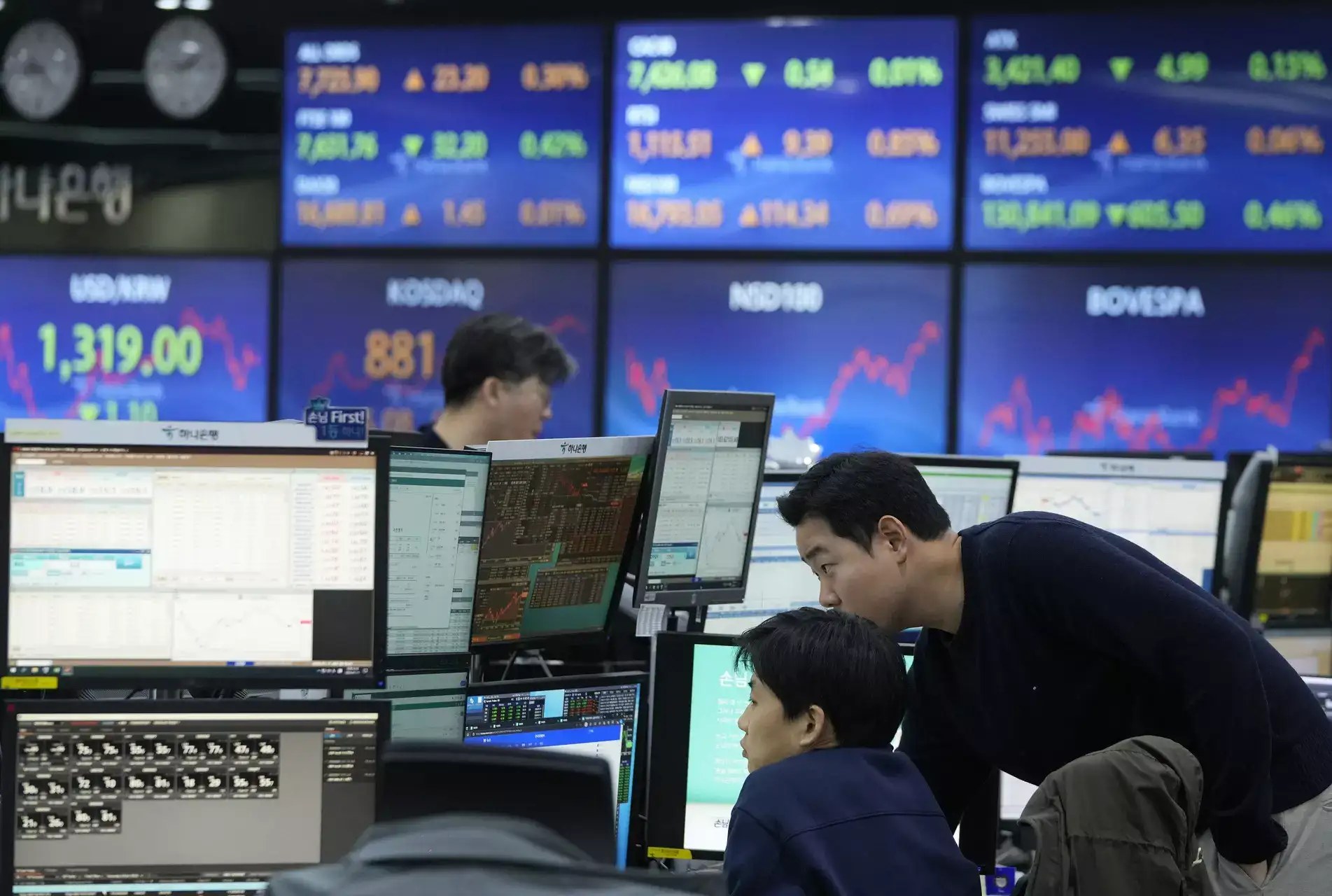
Asian shares were mixed with MSCI’s gauge of regional equities fluctuating between small gains and losses. South Korean stocks were volatile, rising as much as 0.6% and dropping up to 2.8%. The chip sector remained in focus after SK Hynix Inc.’s American depositary shares fell 9.3% as an AI-fueled stock rout in South Korea spilled over into the US market. US equity-index futures also retreated.
The latest wave of attacks between the US and Iran dashed hopes for a near-term normalization of traffic through the Strait of Hormuz. The escalation adds another layer of uncertainty ahead of a pivotal week for markets, with earnings season kicking off alongside US inflation data and Fed Chair Kevin Warsh’s congressional testimony, both seen as key to the outlook for interest rates.
“The energy sector is once again in the limelight as the status of the Strait of Hormuz is driving price action in global markets,” said Ian Lyngen at BMO Capital Markets. “There is a growing sense that the situation is likely to get worse before it de-escalates.”
The flare-up comes as investors are increasingly questioning whether the enormous sums being poured into artificial intelligence will generate commensurate returns.
An AI-fueled stock rout in South Korea on Monday spilled over into the US market, underscoring concerns that the boom has become overextended. The selloff on the Kospi index is the latest sign of how volatile the Korean market has become after the AI rally drove massive outperformance versus global peers.
“Uncertainty around the Middle East continues, but we think the AI wave is what will drive markets over the next few weeks, especially as earnings season kicks off,” said Sonu Varghese at Carson Group.
Investors are now turning their focus to US inflation data after Waller said policymakers may need to raise rates in the near term if underlying inflation continues to signal broad price pressures.
Treasury two-year yields, which are relatively sensitive to changes in Fed policy expectations, edged up one basis point to 4.29%, the highest since February 2025. The benchmark 10-year yield climbed to 4.63%, the highest since May.
The surge in short-term yields reflects growing expectations that the Fed will need to raise rates sooner to rein in price pressures from the rebound in global energy prices and signs of a resilient US economy.
In data due Tuesday, the consumer price index is expected to slow to 3.8% in the year through June, from 4.2% in May, according to a Bloomberg survey of economists. Warsh will also make his first appearance before Congress as Fed chair.
“If we get another hot reading on core inflation this week, then the FOMC will need to consider tightening monetary policy in the near term,” Waller said Monday, referring to the central bank’s rate-setting committee.