

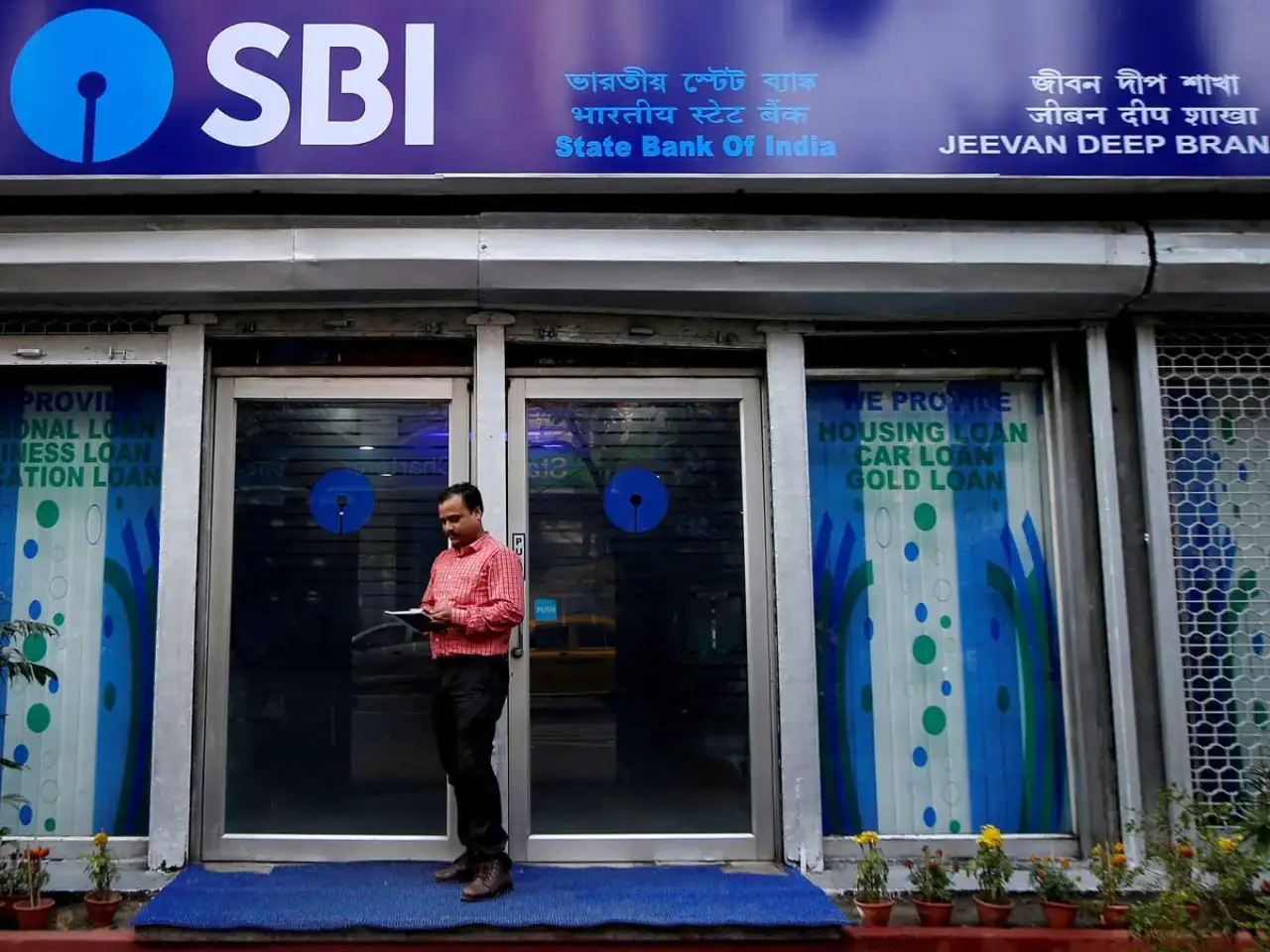
Shareholders of State Bank of India (SBI) have a separate reservation in the initial public offering (IPO) of SBI Funds Management, giving them an additional opportunity to receive an allotment compared with ordinary retail investors.
By Prashant Mahesh, ET Bureau
Shareholders of State Bank of India (SBI) have a separate reservation in the initial public offering (IPO) of SBI Funds Management, giving them an additional opportunity to receive an allotment compared with ordinary retail investors. The IPO, the largest in 2026 so far, will open for subscription from July 14 to July 16. The price band is ₹545-574 per share.
Who is eligible to apply under the parent shareholder quota?
Any investor who held at least one share of State Bank of India (SBI) as on the RHP filing date (July 7, 2026) is eligible to apply under the shareholder quota. According to BSE shareholding data, SBI had 36.33 lakh retail shareholders as of March 31, 2026.
How many applications can an SBI shareholder make?
Eligible SBI shareholders can submit two applications in the IPO, one under the retail category and another under the shareholder category. Since these are two separate categories, investors effectively get two independent chances of receiving an allotment.
How does allotment work in the two categories?
The retail and shareholder categories are treated as separate pools of shares, and allotment is decided independently in each. In the retail category, investors can apply for a minimum of one lot (26 shares). Applications above ₹2 lakh fall under the HNI category.
Retail allotment is generally done through a computerised lottery when the issue is oversubscribed. In the shareholder category, allotment is made separately based on a proportionate basis.
What could investors do?
Early indications are that the SBI Funds issue is likely to receive robust bids. Investors who own SBI shares could consider applying in both the retail and shareholder categories. Those strongly bullish on the stock may consider applying for more lots in the shareholder category after bidding for a lot in the retail category. Brokers believe this could improve the chances of receiving a larger allotment from the shareholder reservation.