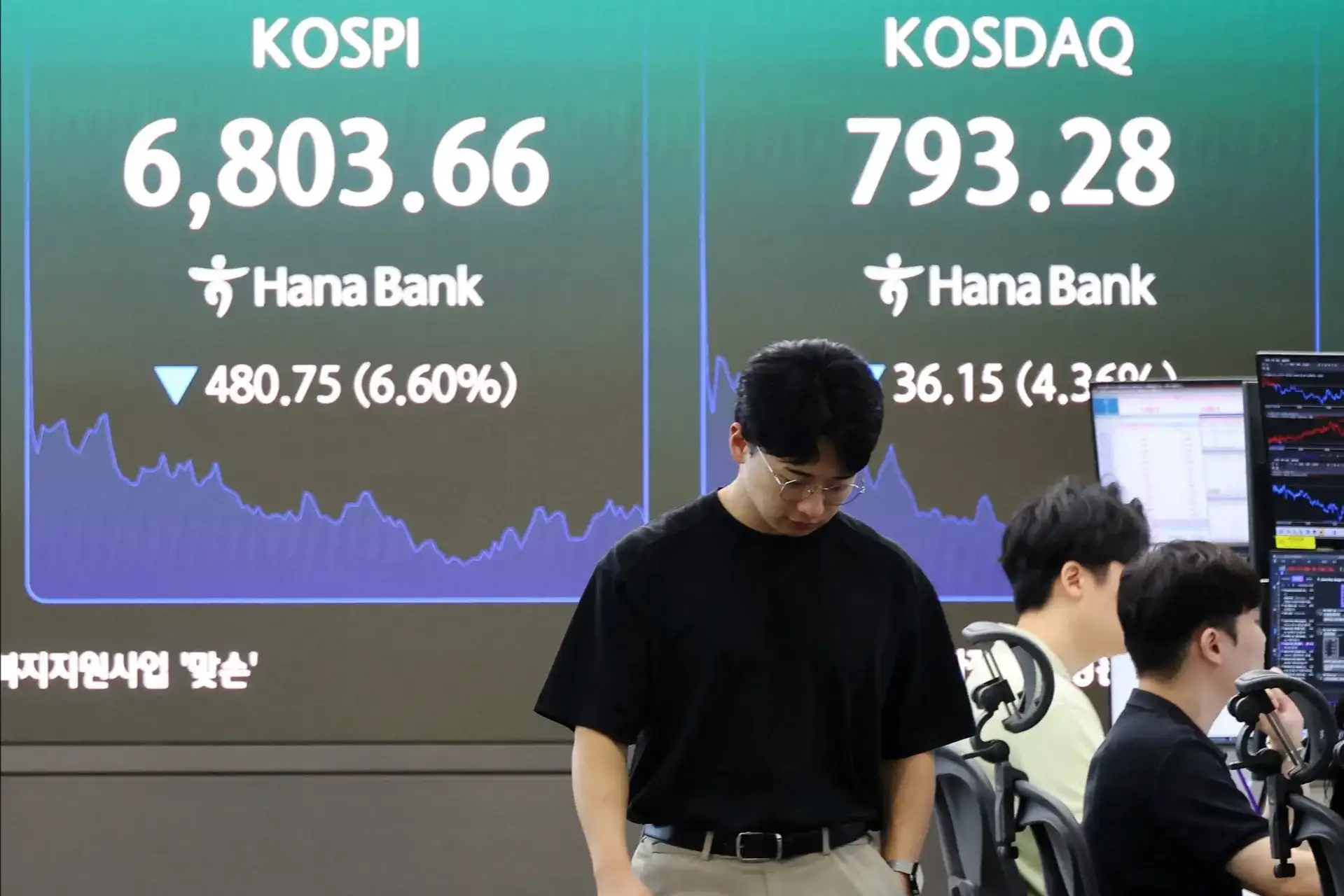
Asian stocks bounced after two days of losses on expectations the Federal Reserve may not need to raise interest rates aggressively next year. American crude extended its rally.
MSCI Inc.’s Asia Pacific equities index advanced 0.2%. A selloff in semiconductor stocks sent the gauge to its weakest close since August on Tuesday.
Earlier, the S&P 500 pared earlier losses to close little changed after New York Fed President John Williams said he continued to see one more rate hike as appropriate this year but no need for further tightening in 2027. Pressure on tech stocks eased and Microsoft Corp. rose to a record.
Read more: Nifty IT surges 5.2% to log biggest single-day gain in 17 months
Treasuries rallied and the dollar fell in the New York session, with traders looking to Wednesday’s US consumer price inflation data for further clues on the path of interest rates.
US oil rose 0.8% to about $94.80 a barrel, extending its advance to a fifth session, as a flare-up in Middle East attacks increased uncertainty over a recovery in energy shipments from the Persian Gulf. Global benchmark Brent climbed 0.7% to $106.40 a barrel.
Williams’ comments offered some relief ahead of the key inflation data, with markets concerned that elevated oil prices could keep price pressures persistent. Traders are also looking to earnings for clues on the direction of the artificial intelligence trade, which has come under pressure amid doubts that billions of dollars in spending will deliver commensurate returns.
“The prospect of fewer Fed hikes should give Asian stocks some breathing room today,” said Josh Gilbert, lead Asia Pacific analyst at eToro. “Williams talking down an extended tightening cycle has taken some heat out of yields, and that’s welcome news for tech stocks across Asia.”
As the US earnings season got underway, JPMorgan Chase & Co., Citigroup Inc. and Wells Fargo & Co. set a new third-quarter record for how much they earned from lending, with customers continuing to borrow even as interest rates increased.
At Goldman Sachs Group Inc., equity traders beat expectations, while fixed-income and rates trading fell well short of Wall Street estimates.
Elsewhere, Chinese stocks risk sliding back into a bear market, as skepticism grows about the prospect of a heavy dose of support measures to revive the economy and investor confidence. The CSI 300 Index has fallen over 15% from its June peak, with the benchmark at its lowest level since August 2025.
Indian stocks will also be in focus after Finance Minister Nirmala Sitharaman said she’s keen to listen to discussions around a transaction tax imposed on trading shares as the country seeks to boost capital inflows.
The Nifty 50 extended gains as she spoke Tuesday, closing 1.6% higher in its biggest advance in more than two months.
In Japan, the yen was little changed in early trading after people familiar with the matter said Bank of Japan officials are leaning against a rare back-to-back interest-rate increase this month, while keeping open the possibility of another move as soon as December.
Meanwhile, US stocks have proved resilient despite the broader concerns weighing on markets.
The S&P 500 Index hasn’t suffered a 1% decline in 53 trading sessions through Tuesday, marking the longest such stretch since January 2020, data compiled by Bloomberg show.
“Such a long streak of tranquility is certainly surprising, given all of the renewed fears swirling around rising interest rates, a spike in bond yields and elevated oil prices the past few months,” said Thomas Martin, senior portfolio manager at Globalt Investments LLC.