
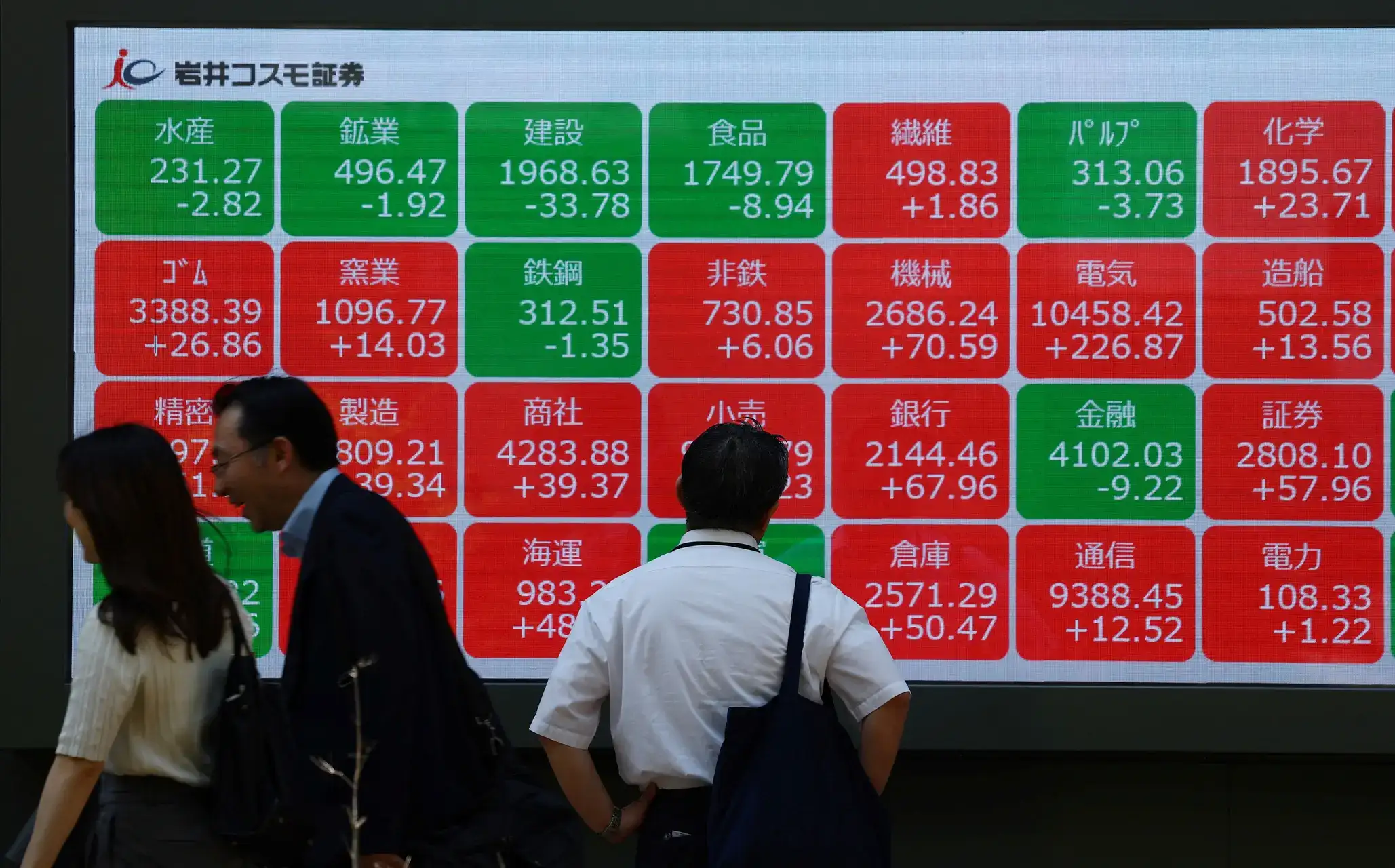
Japanese rubber futures eased on Friday, weighed down by a pullback in Tokyo equities, but were on track for a second straight weekly gain.
The Osaka Exchange (OSE) rubber contract for March delivery was down 1.9 yen, or 0.42%, at 454.9 yen ($2.88) per kg, as of 0215 GMT. The contract has gained 0.62% so far this week.
Japan's Nikkei retreated from a 6-week high as investors locked in gains and turned cautious over the outlook for interest rates, inflation, and geopolitical risks.
Weaker risk sentiment tends to weigh on rubber futures.
Oil prices drifted slightly higher after China halted fuel exports, while the Wall Street Journal reported that the US is sending more troops and carriers to the Middle East as it also tries to make Europe draw down more emergency diesel.
Natural rubber often takes direction from oil prices as it competes for market share with synthetic rubber, which is made from crude oil.
Global natural rubber production fell 4.2% from the previous year to 8.68 million tons in the first eight months of 2026, while consumption fell 2.7% to 9.89 million tons, leaving demand ahead of supply, the Association of Natural Rubber Producing Countries said in its August report.
The outlook for global rubber demand still depends on changes in car sales, tyre production, transportation conditions and weather-related supply interruptions, the report said.
Stable demand for electric vehicles supports the moderate growth of demand, with China and India leading this growth, the report added.
The front-month rubber contract on Singapore Exchange's SICOM platform for December delivery last traded at 256.6 U.S. cents per kg, up 0.7%. It hit its highest since May 22, 2013.