For generations of Indians, Reliance Industries Ltd. was their introduction to the stock market. Founder Dhirubhai Ambani drew middle-income savers into shares, building a following that endured for decades.
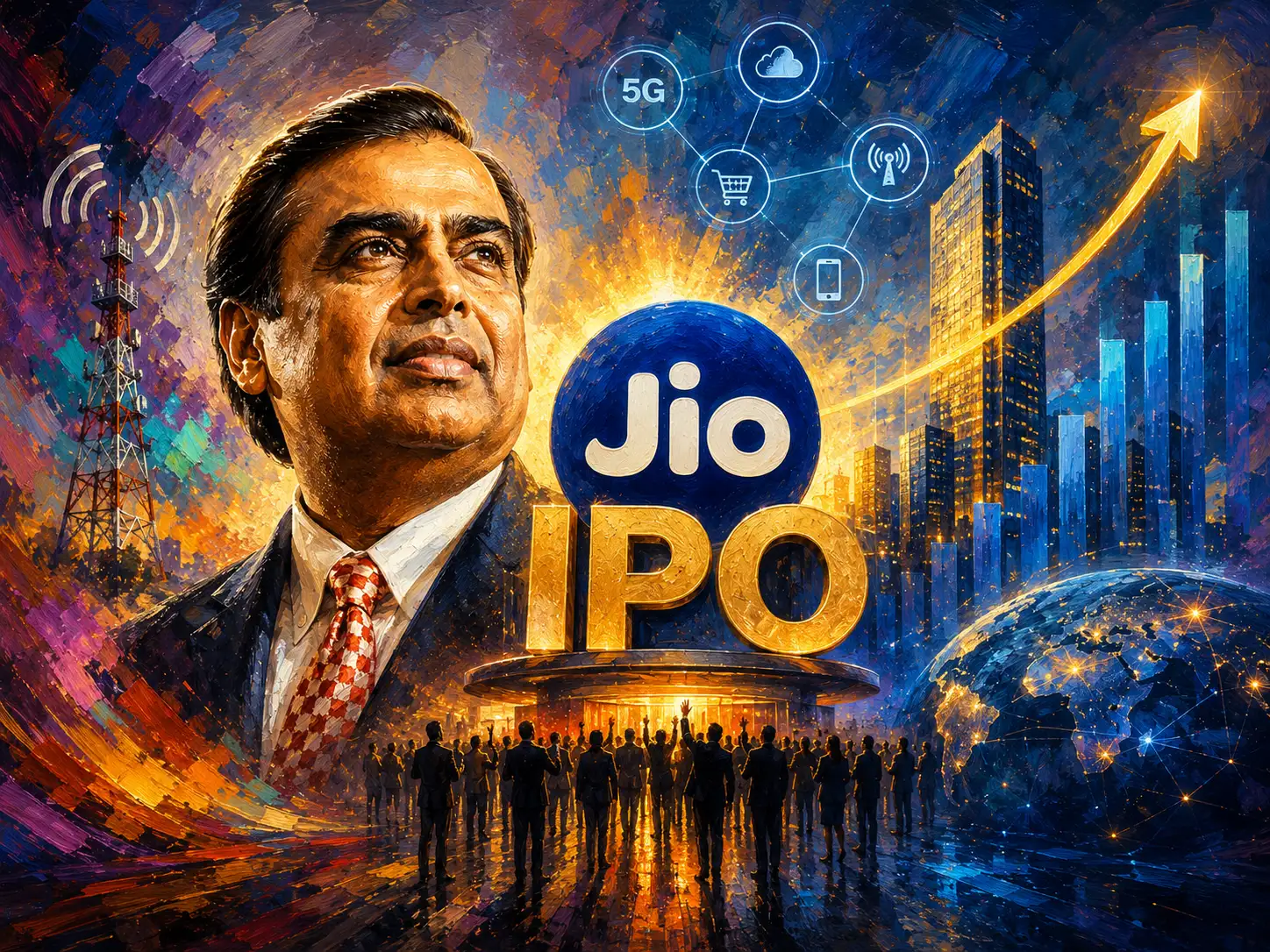
Nearly fifty years after Reliance went public, his billionaire son Mukesh and grandson Akash are preparing to list the group’s telecom and digital services arm in what is set to be India’s biggest initial public offering. Jio Platforms Ltd. plans to raise about $3.2 billion in the offering, which opens on Oct. 21. The IPO will test how much the Reliance brand still matters to retail investors.
Jio is pitching to a very different market from the one Dhirubhai knew. India now has more than 130 million registered stock-market investors, nearly 40% of them under 30, according to National Stock Exchange of India data. Thousands of stocks, a vast array of mutual funds and other assets compete for their money. Older shareholders regarded Reliance as a stock they could hold for decades. For younger investors, growth, profits and valuation play a bigger role in the investment decision.
Mahendra Chheda, 69, started as a floor trader in the late 1960s before becoming a member of the Bombay Stock Exchange.
“Be it Dhirubhai’s ambition, his quest to create an army of retail investors or the return of capital to shareholders, Reliance set itself miles apart,” he said. His son, Hardik, 44, an equities trader, takes a different view of Jio.
“I will be taking out profit soon after listing,” he said. “Retail investors owe a lot to the Ambanis for popularizing direct stock ownership, but we are now in a different era of financial markets.”
Reliance, under Mukesh’s leadership, has grown from a maker of textiles and chemicals into India’s most valuable company with businesses spanning energy, consumer goods and telecom.
Under Dhirubhai, a first-generation entrepreneur who challenged Mumbai’s entrenched industrial establishment, the company decided to tap thousands of individual investors to help set up his textile empire.
The November 1977 IPO raised 28 million rupees and drew about 58,000 investors, with the offering subscribed seven times, according to Reliance’s annual report. It helped fuel what became known as India’s ‘equity cult,’ as more households began buying shares directly. Annual shareholder meetings grew into mass gatherings, including one held at Cooperage Football Ground in south Mumbai in the mid-1980s.
Reliance shares have delivered an annualized average return of about 29% since listing, according to a presentation at a Mumbai roadshow on Thursday. This year, however, the stock has fallen 23% amid a broader selloff in local equities, putting it on track for its worst annual performance since 2011.
Akash, Jio Platforms’ 34-year-old managing director and Mukesh’s eldest son, is leading the company’s listing, his first major Reliance transaction on his own.
Jio had previously been expected to seek a valuation of about 11 trillion rupees ($116 billion), people familiar with the matter have said. During global roadshows, fund managers questioned why Jio deserved a premium over smaller rival Bharti Airtel Ltd. and how it planned to make money from digital services beyond its core telecom business, Bloomberg reported.
Jio has drawn more than $20 billion in bids, and overseas investors including Fidelity Management & Research, Allianz SE and Capital Group have indicated interest, people familiar with the matter have said.
Even with that demand, Jio will sell shares at 1,065 rupees to 1,119 rupees apiece, valuing the company at about $108 billion at the top of the range. That puts it at a discount to Bharti Airtel’s $125 billion market value.
Prathamesh Gokhale, 24, said Jio’s growth outlook and valuation matter more to him than the Ambani legacy. He plans to bid for the IPO.
“If I get lucky with an allotment, I will sell half of my holding in the short term for a quick profit and keep the rest for longer-term gains,” he said. He also views Bharti Airtel as an attractive investment.
Gokhale, who is studying accountancy, said limited capital makes it crucial to free up money for other investments.
His approach is common among India IPO investors. A study by the market regulator in 2024 found that retail investors sold 40% of their allotment within a week of listing. When returns topped 20%, they disposed about two-thirds.
They also have more places to put that money. India’s $5 trillion market now includes consumer-tech firms, digital payment companies, and stock exchanges, alongside industrial groups and multinational names that once dominated trading.
Jio disrupted India’s telecom market when it entered a decade ago with cheap 4G data services. The question now is whether it can keep innovating and deliver the next leg of growth, according to Geetanjali Kedia, an investment adviser at SPTulsian.com.
“Investors have become much more discerning,” she said. “Companies need to consistently deliver returns to get their attention and money.”