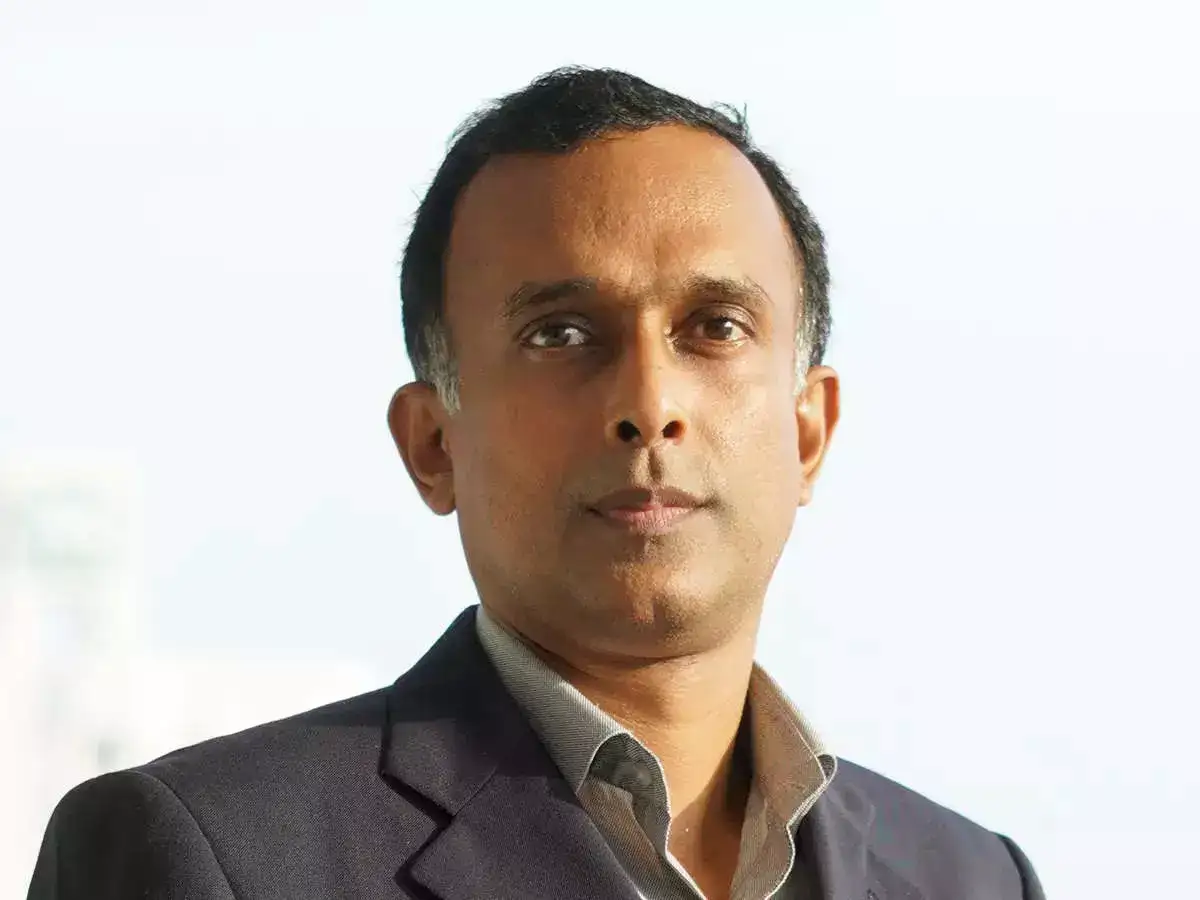

Anu Aiyengar, global chair of investment banking at JPMorgan, speaks with Sangita Mehta and Anirban Chowdhury on a range of issues, including the deal-making boom, private credit, AI investments and valuations, and India's prospects for attracting foreign capital. Edited excerpts:
What is driving the current deal-making momentum?
There has been decent activity across debt, equity capital markets and M&A. On the debt side, despite higher interest rates than in 2021-22, the cost of capital remains reasonable, financing is available, and markets are liquid and open. Private credit has seen some appropriate correction after heavy activity and an influx of new entrants. However, listings remain below late 2020, 2021 and early 2022 levels, while more than 30,000 private equity-owned companies are still awaiting monetisation.
Also read: $400bn to $2tn: India’s alternative asset boom set to grow 5x by 2034, report shows
Given the geopolitical and economic uncertainty, what is supporting M&A activity?
In M&A, it has been heavily influenced by scale. Activity has been robust in deals worth more than $10 billion, largely strategic and, interestingly, often cross-border. That is astonishing given that we are in the middle of at least two conflicts, facing more geopolitical tension than recent memory, inflationary tendencies, higher interest rates, supply-chain disruptions and rising commodity prices, particularly oil. You would think deal-making or capital raising would be difficult, if not impossible. But the strategic imperative and necessity to do these deals is high. A large amount of capital is also available that can look through the uncertainty, understand the risk and be willing to invest.
Do strains in private credit risk becoming a subprime-like crisis?
Private credit has always existed. In fact, private credit preceded institutionalised credit. What changed was the significant inflow of new funds, much of it concentrated in software. It is not dissimilar to SPACs. When an asset class that makes sense is overdone, some correction is inevitable. Combined with the SaaS collapse and predictions of the premature demise of software, this caused some dislocation. But private credit will remain an asset class with multiple participants. I am not worried about the asset class. Rationalisation and correction are good for all markets.
Are US yields at a 19-year high hurting deal-making?
Most strategic buyers are sitting on a lot of cash, supported by strong earnings and cash-flow generation. They are not leveraging companies to the hilt and many are investment-grade companies with access to credit and bond markets. Financing has therefore not been a constraint for strategic deals. For sponsors, yields influence the math, but the bigger constraints are monetisation and exits. They need to return capital already deployed and generate distributions for investors. If the IPO market is the only exit, private equity firms have less confidence in making an investment. Yet, several take-private deals have happened.
Also read: Strikes in the Gulf changing rules behind India’s big-money bets
Are circular investments by hyperscalers comparable to manufacturers financing customers in the past?
A little bit yes, and a little bit no. Captive finance helped customers buy products from retailers and manufacturers, but many companies exited the model as credit cards and digital payments developed. Today, hyperscalers face tremendous capex requirements. The AI ecosystem, including data centres, power and chips, may need $500 billion to $1 trillion, financed either on balance sheet or off balance sheet through supply agreements and third-party capital. There is some circularity because the entire ecosystem must succeed. But financings involving Meta or Intel are backed by third parties such as Apollo, Blackstone or BlackRock, which assess cash flows, guarantees and cushions.
How is AI affecting company valuations?
Companies have no choice but to consider AI's impact, its disruptive potential and the risk of not adopting it. The ROI remains difficult to measure. Time saved does not translate directly into workforce reduction. The real question is whether that efficiency helps companies innovate, sell more or increase their total addressable market. Investors have given companies more leeway on AI spending than on other capital investments, without demanding an immediate return. That accountability may increase by 2027.