
Nepal flood fury: How it started

A sudden surge of water and debris unleashed devastation across Nepal.

From the Himalayas to the swollen Trishuli, the flood left a trail of destruction. Here is how the disaster unfolded, leaving a trail of death and destruction.

High in the Himalayas
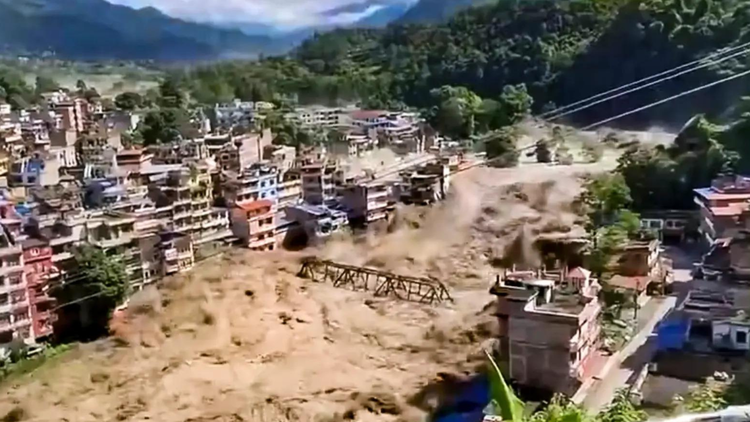
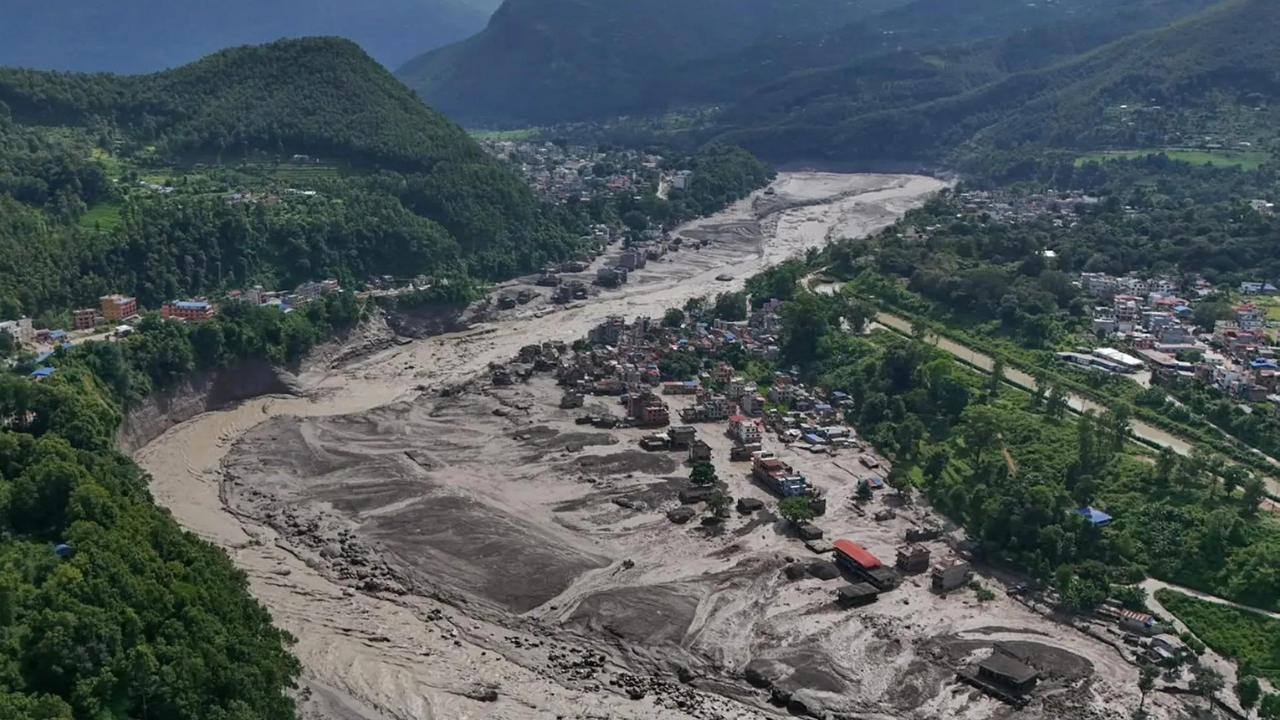
A Himalayan disaster unfolded within minutes on August 26, when a section of a glacier collapsed in Nepal’s Rasuwa district, near the China border. The collapse sent huge quantities of ice, rock and debris crashing into the Lhende Khola river. The sudden rush of debris transformed the river into a raging torrent, carrying water, mud and boulders downstream at enormous speed. With little warning, the surge swept through settlements and infrastructure, leaving a trail of destruction in its wake.

A trail of destruction
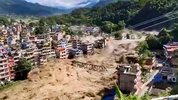
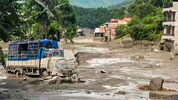
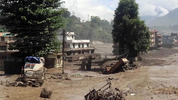
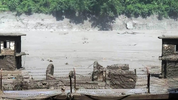
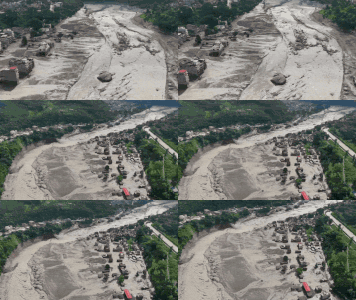
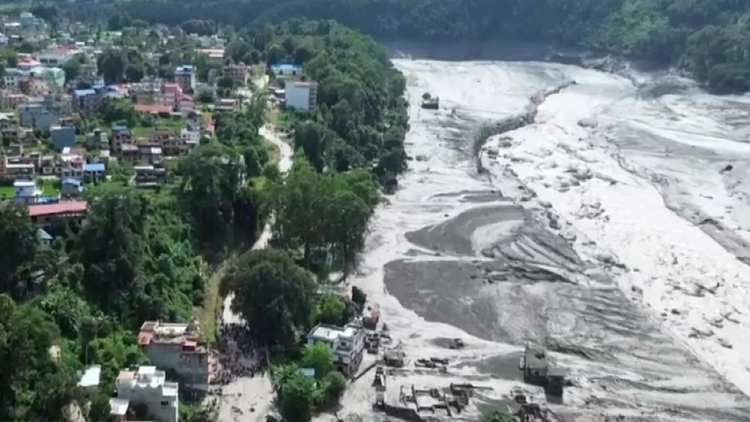
The flash flood tore through Nepal’s Rasuwa district, sweeping away or damaging roads, bridges, power infrastructure and buildings.

The destruction also cut off crucial routes, making rescue and relief operations more difficult.

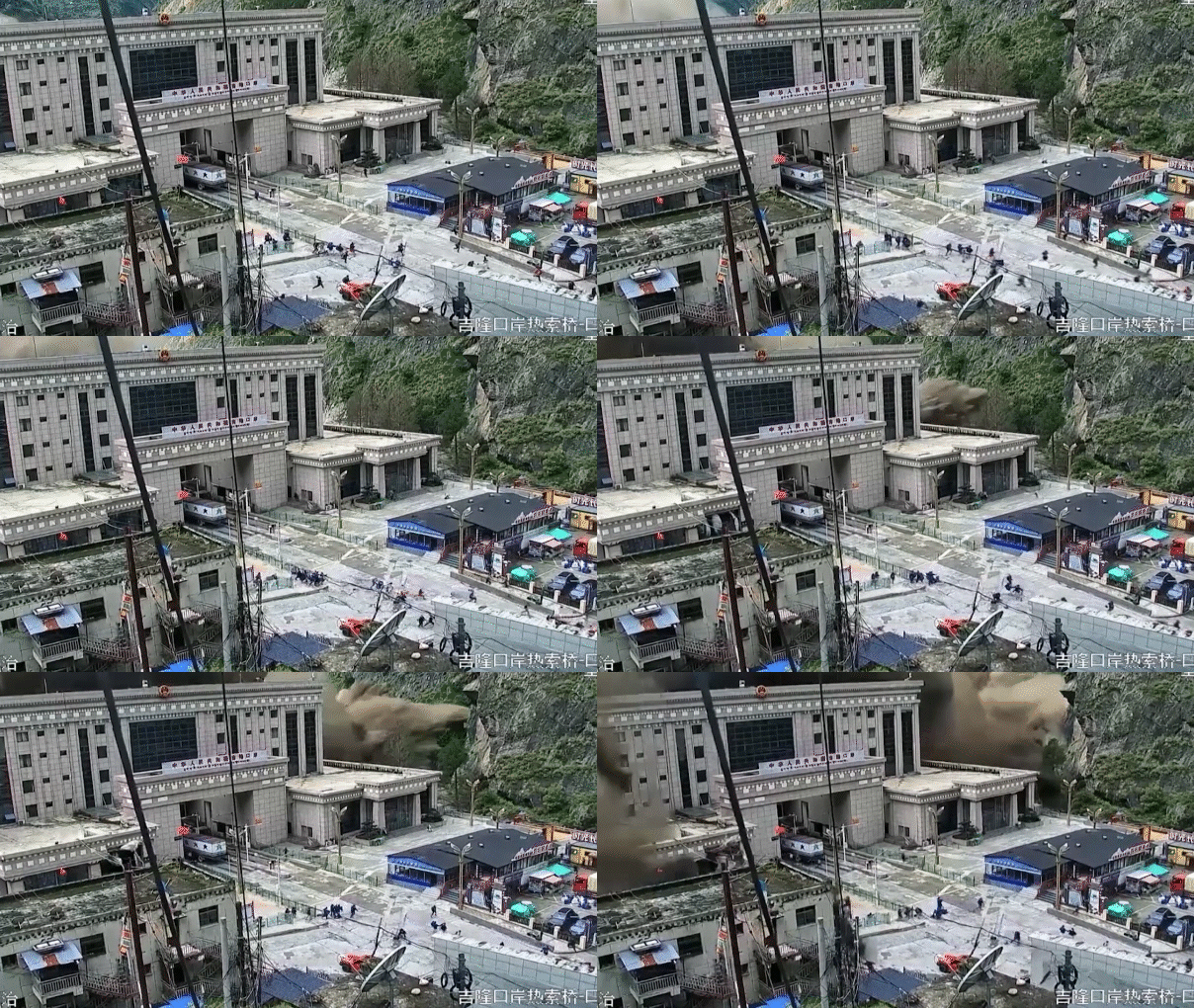
The surge did not stop at the border: interconnected Himalayan river systems carried its impact into Tibet.
The Gyirong Port area was among the badly affected areas on the Chinese side.

Entire stretches of roads and infrastructure were left damaged, disrupting movement through the region.

Then came the human toll

Hundreds were suddenly unaccounted for. The disaster struck during the peak tourist and pilgrimage season. Among those missing were hundreds of foreign nationals — including a large number of Indians travelling towards the Kailash Mansarovar region.
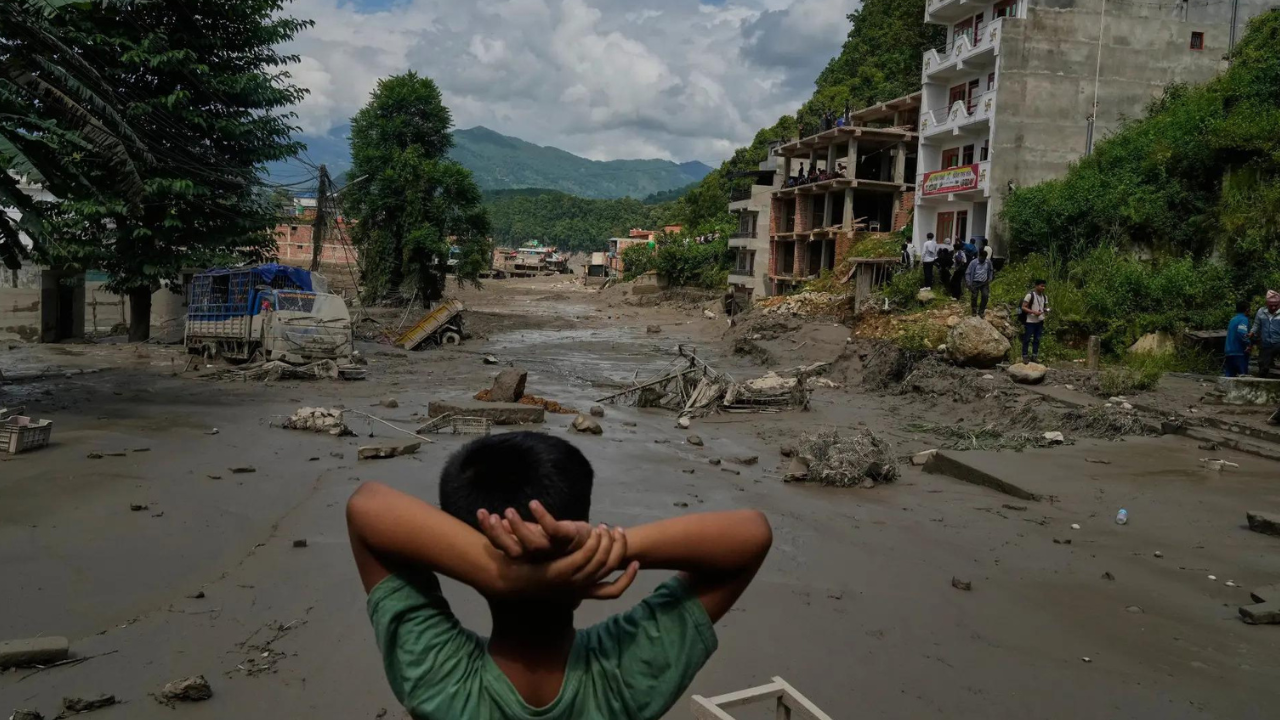
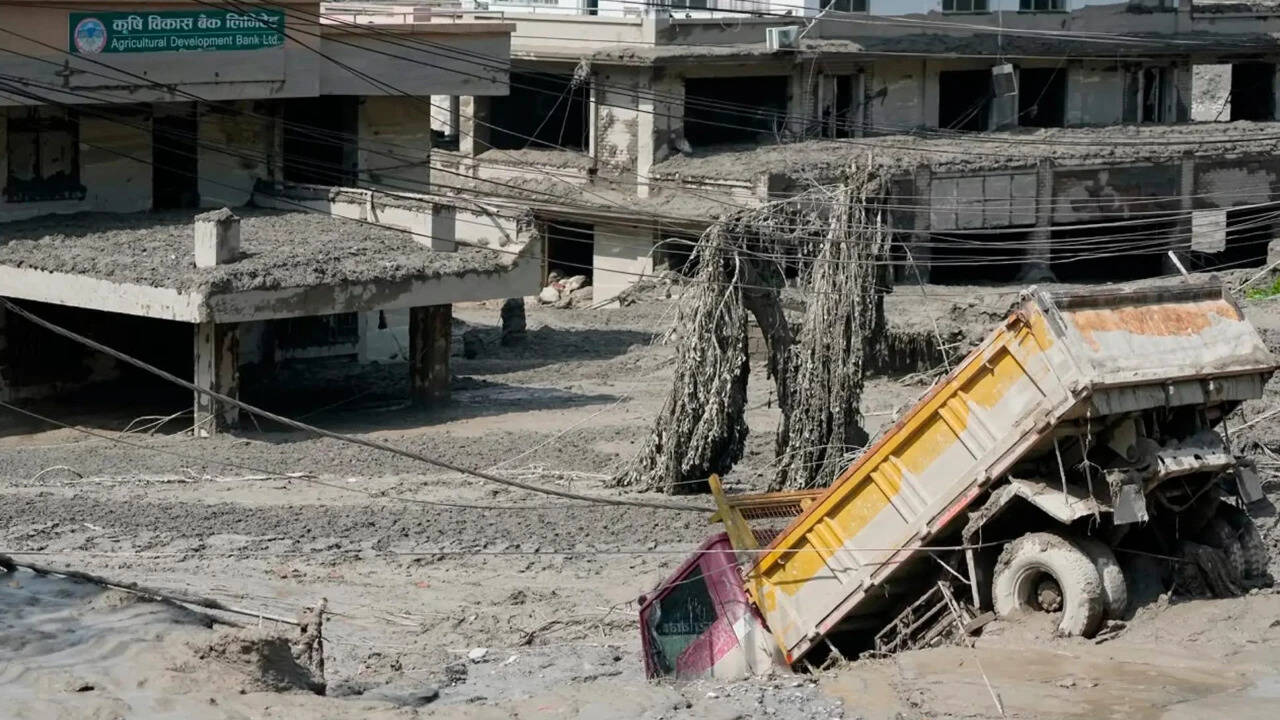
Nepal12 (3)
Nepal flash floods

<p>Search on for missing people as Nepal flood toll rises<br></p>

India watches closely

The disaster is not just a Nepal story.

Indian nationals were among those caught in the flood.

At least 288 Indians were reported missing in Nepal, while another 200 were stranded in China. The MEA on Thursday said there has been no contact with the tourists yet.
Nepal8
Nepal9

PM Modi offers India’s support

As the scale of devastation emerged, Prime Minister Narendra Modi reached out to Nepal PM Balendra Shah on August 26 and conveyed his condolences over the loss of lives.

In a post on X, PM Modi said “the people of India stand in solidarity” with Nepal and assured that India was ready to provide “all possible humanitarian assistance.” India has since sent relief supplies and is coordinating rescue and relief efforts.


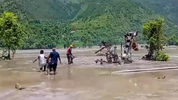
More than 24 hours after the flash floods, rescue teams are still searching through mud, debris and damaged roads for survivors. Nepal has deployed thousands of personnel and helicopters, while many affected areas remain difficult to reach.

The death toll has climbed sharply, with 270 bodies recovered in Nepal and more than 1,300 people reported missing. The numbers remain fluid as authorities continue to identify victims and reconcile missing-person data.

For India, the crisis remains deeply concerning: the MEA said 288 Indian nationals were still missing in Nepal, while 21 Indians from Tamil Nadu had been rescued. Around 200 Indians stranded in Tibet have also sought help.