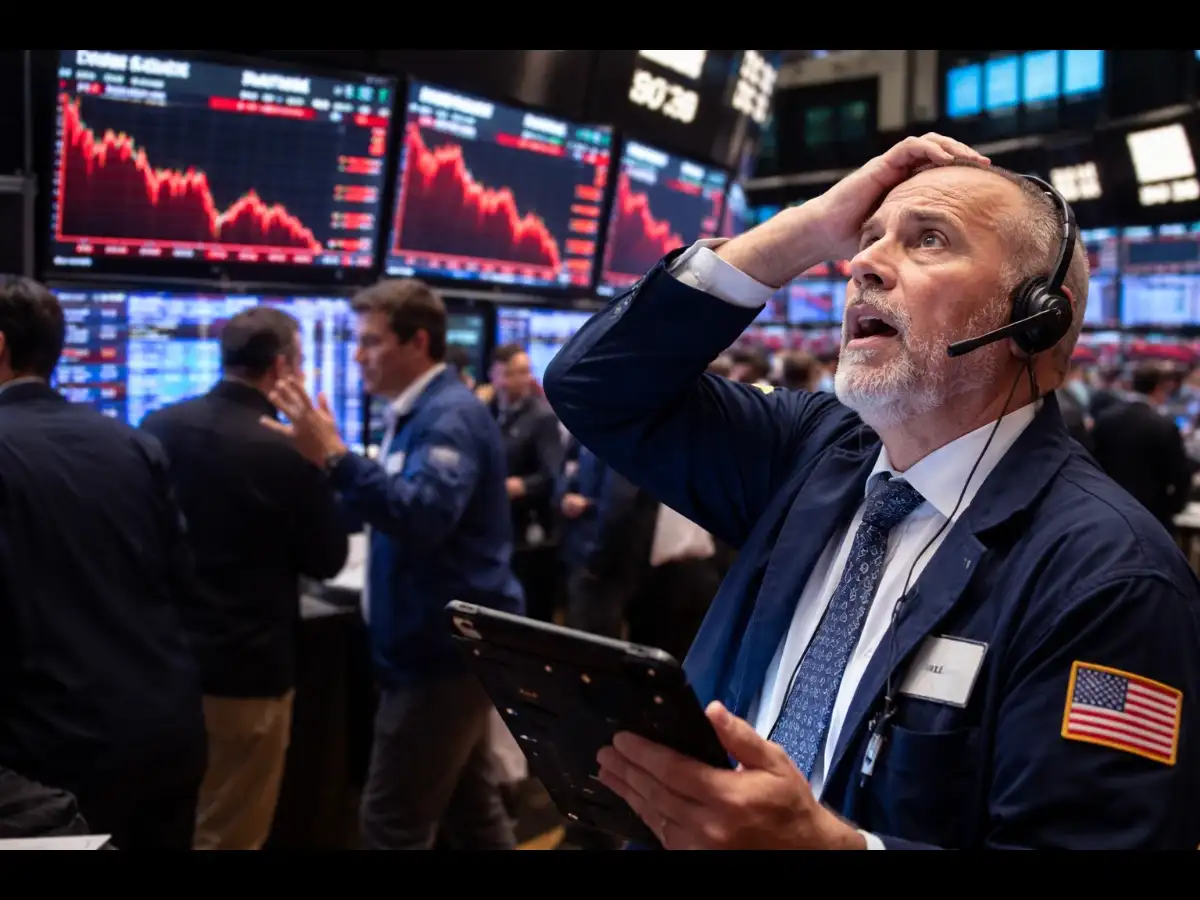

Quote of the day by Fred C. Kelly: "Vanity makes men sell good stocks and keep poor ones in times of distress. They don’t mind disposing of gilt-edged stocks which show a profit — the very ones which might finally make up the losses on others"
Fred C. Kelly’s timeless investing lesson explores why investors often sell winning stocks while holding losers, driven by emotions, regret and attachment to prices.
“Vanity makes men sell good stocks and keep poor ones in times of distress. They don’t mind disposing of gilt-edged stocks which show a profit — the very ones which might finally make up the losses on others.”
Market Distress Can Test Investor Discipline
Market downturns often test investors not just financially but psychologically. When stock prices fall sharply, the instinct to protect capital can lead investors to make decisions that may not necessarily serve their long-term interests.
Fred C. Kelly’s observation highlights one of the common behavioural traps in investing: selling profitable, high-quality stocks during periods of distress while holding on to losing investments in the hope that they will eventually recover.
Why Investors Hold on to Losing Stocks
The tendency is often driven by the desire to avoid admitting a mistake. Selling a stock that has fallen substantially can make the loss feel permanent, while retaining it allows investors to believe that the position may eventually return to its purchase price.
This behaviour can make investors focus more on their original purchase price than on the company's current fundamentals, future prospects and valuation.
Read more: Quote of the day by Francois Rochon: "One of the biggest mistakes investors make is to look at the last few years and assume that’s the new norm"
The Psychology Behind Selling Winners
At the same time, a profitable stock can appear easier to sell because doing so locks in a gain. Investors may feel more comfortable taking a visible profit than accepting a loss on another investment.
Kelly points out the irony in this approach: the strongest investments may be precisely the ones that could help offset losses elsewhere in a portfolio over time.
Emotions Can Influence Investment Decisions
The quote also reflects the role of emotions in investment decisions. During periods of market stress, fear, regret and attachment to previous decisions can influence portfolio choices as much as financial analysis.
Investors may become reluctant to sell a declining stock because doing so forces them to acknowledge that their original investment thesis may have been wrong.
Reassessing Investments During a Sell-Off
For investors, the broader lesson is to distinguish between a temporary decline in market prices and a deterioration in the underlying investment case.
A market sell-off can make even fundamentally sound businesses look unattractive in the short term, while weak investments can remain in portfolios simply because investors are reluctant to recognise losses.
The Timeless Lesson for Investors
Kelly’s observation remains relevant because market distress can expose the difference between investing according to fundamentals and reacting according to emotion.
A disciplined approach requires investors to reassess each holding on its own merits rather than allowing gains, losses or personal pride to determine what stays and what gets sold.