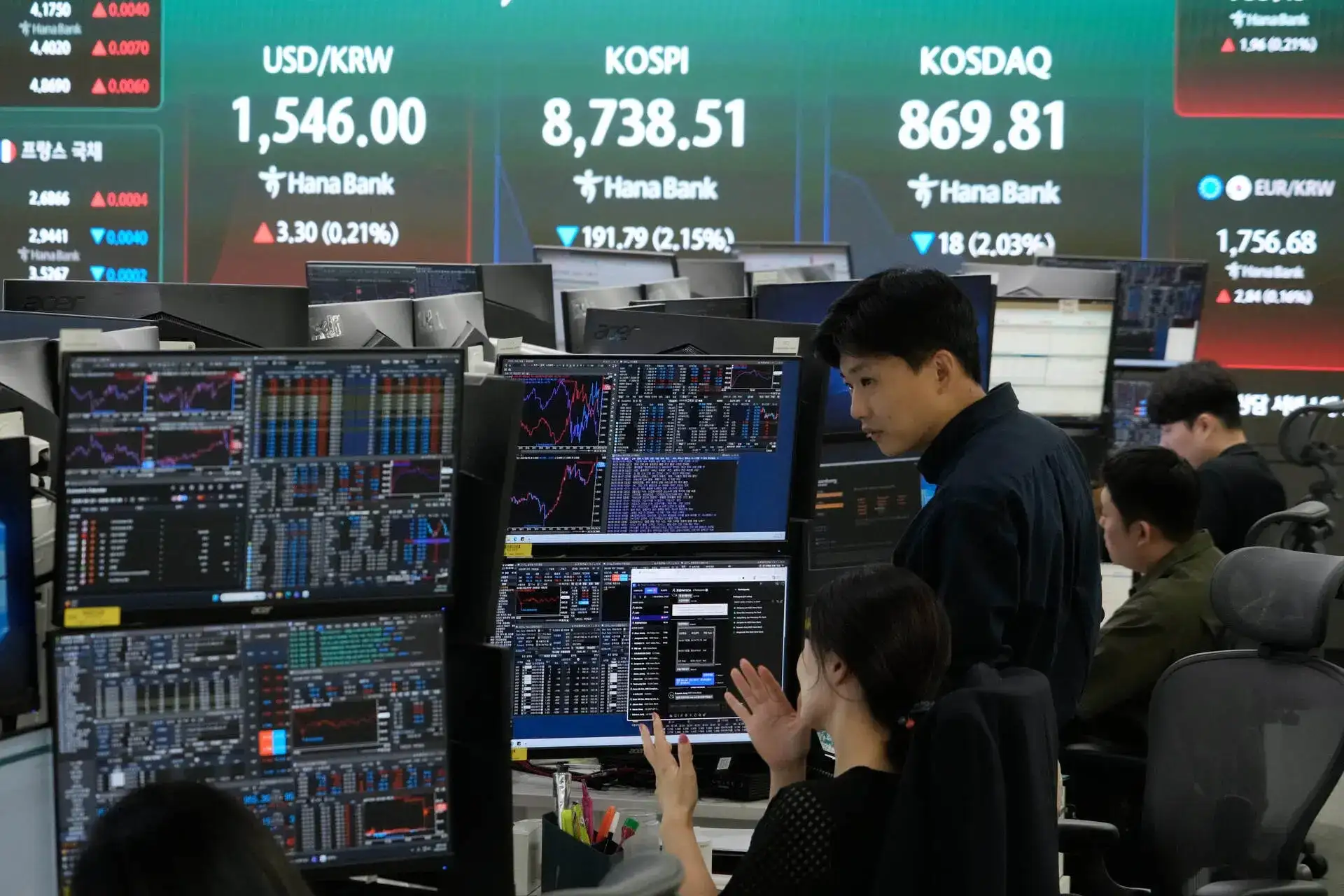

George Soros' quote explores how euphoria can inflate asset prices while panic can accelerate market declines, highlighting the powerful influence of investor psychology.
“Euphoria can lift housing and dot-com prices; panic can send sound banks tumbling.”
Financial markets are often driven not only by economic fundamentals but also by investor psychology. Periods of optimism can push asset prices sharply higher, while sudden shifts in sentiment can trigger steep declines, even in assets or institutions that may have appeared fundamentally sound.
The quote by billionaire investor George Soros highlights the powerful role that euphoria and panic can play in financial markets. When optimism becomes excessive, investors may chase rising prices, creating valuations that move well beyond underlying fundamentals.
Read more: Quote of the day by Fred C. Kelly: "Vanity makes men sell good stocks and keep poor ones in times of distress. They don’t mind disposing of gilt-edged stocks which show a profit — the very ones which might finally make up the losses on others"
The dot-com boom of the late 1990s is a prominent example. Expectations surrounding the internet and technology companies fueled a surge in technology stocks, with investors pouring money into companies based on expectations of future growth.
The subsequent collapse of the bubble demonstrated how quickly enthusiasm can turn into widespread selling, causing sharp losses across technology and growth-oriented stocks.
Housing Markets and Herd Behaviour
The housing market has also experienced similar cycles. Rising property prices can encourage buyers and investors to enter the market, reinforcing the belief that prices will continue climbing.
But when confidence weakens, falling prices can accelerate as borrowers, investors and lenders become more cautious. What begins as a change in sentiment can therefore have broader consequences for asset prices and financial activity.
Soros' reference to panic sending “sound banks tumbling” points to another feature of financial markets: confidence is central to the stability of financial institutions.
Banks rely heavily on depositors and market participants maintaining confidence in their ability to meet financial obligations. A sudden loss of trust can therefore create problems even when an institution's underlying assets may not initially appear distressed.
The Role of Investor Psychology
The broader lesson is that markets can become vulnerable when investor sentiment moves to extremes. Euphoria can encourage excessive risk-taking, while panic can amplify losses through forced selling and rapidly changing expectations.
For investors, the quote serves as a reminder that market prices are influenced by both fundamentals and human behaviour. Understanding that interaction can be crucial when assessing periods of unusually strong gains or sudden market stress.