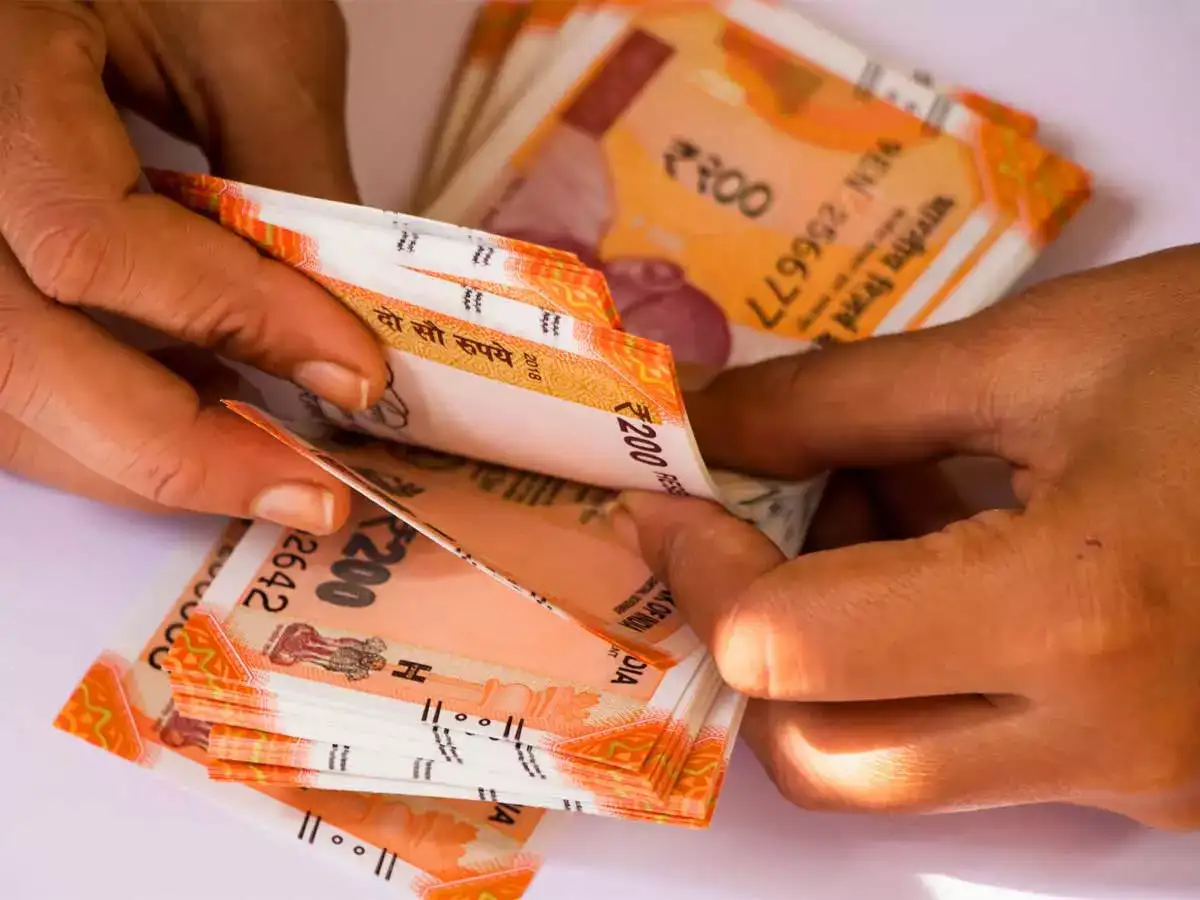

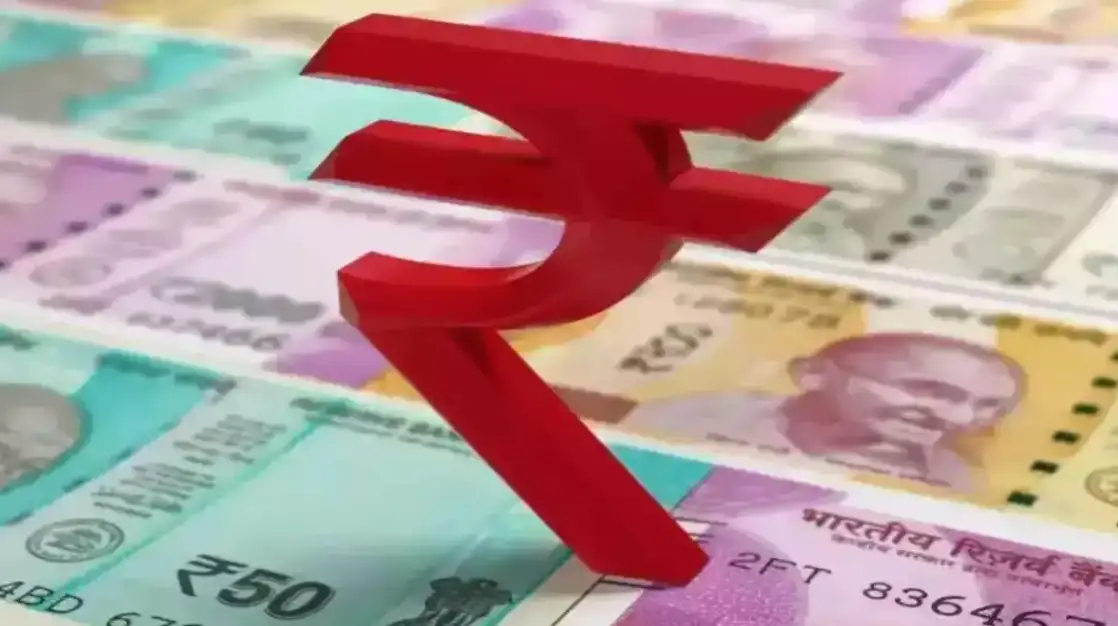
The Indian rupee was little changed on Monday after Iran and the United States halted renewed hostilities that had cast a shadow on an interim peace deal, while traders awaited a break of the currency's prevailing range for clearer direction.
The rupee was hovering at 94.3675 per dollar in early trade, little changed from its close at 94.9350 on Thursday. Indian financial markets were shut on Friday for a local holiday.
The rupee has hovered between 94 and 95 over the last two weeks as a sharp fall in oil prices, combined with policy measures to draw dollar inflows, helped snap its bearish trend.
After dropping to a record low of 96.96 in May, the rupee is now on course for a monthly and quarterly gain.
Traders are now watching whether the currency can extend its appreciation momentum or if dollar flows will continue to exert depreciation pressure.
The central bank "does not appear inclined to allow the rupee to weaken beyond 95, while clustered importer demand has been limiting gains around 94," a trader at a state-run lender said.
Elsewhere, Asian currencies were mixed, with oil-sensitive units such as the Indonesian rupiah and the Philippine peso showing only a mild reaction to the hostilities in the Middle East.
The focus this week is also on key U.S. jobs data that could influence expectations on the U.S. Federal Reserve's rate path. Interest rate futures are pricing in a high probability of a hike in September.
"USD downside likely remains contained unless there is a clear dovish pivot by the Fed or a material deterioration of US macro data," analysts at MUFG said in a note.
The dollar index was last at 101.37, perched near a 13-month peak.