Dubai: The UAE could account for more than half of the total Foreign Currency Non-Resident (Bank), or FCNR (B), deposits under the Reserve Bank of India's special mobilisation window, driven by the Gulf country's large Indian diaspora, bankers said.
Attractive dollar deposit rates and leverage facilities, along with tax-free interest income, triggered the strong response despite representative office restrictions preventing many banks from servicing all prospective customers in the UAE, senior bankers in the region said.
Also Read: Dollar inflows through special window to ease banks’ liquidity pressure
While official, country-wise data is unavailable, bankers estimate that the UAE so far may have contributed more than $10 billion of the over $20 billion mobilised under the FCNR (B) scheme.
"Singapore and Hong Kong are also contributing, and there could be a small portion from London and other regions," a UAE-based senior banker at a large public sector bank said. "But, clearly, I believe that the UAE will be the largest contributor to the FCNR(B) inflows and make up for well more than half of the total deposits." Another top banker in the region noted that this is despite restrictions on activities that can be undertaken by representative offices of banks in the UAE.
Also Read: FCNR(B) hurdle - Singapore holds ground on withholding tax
While the Gulf nation has contributed $10 b, nearly half the funds raised so far, restrictions on representative offices pose a hurdle to tapping a vast opportunity
Data released by the RBI earlier this month showed that the foreign currency swap facility operationalised through FCNR (B) deposit, external commercial borrowings , and overseas foreign currency borrowings generated more than $20 billion as of July 17.
"However, calculating across banks, including those operating through GIFT City, we need to see where the borrower is located. Broad assessment is that if we include all channels, it should not be less than $10 billion from the UAE alone so far," a senior banker said.
Two other bankers said several retail customers may remain underserved under the RBI's special window until September 30. "The activities of representative offices are restricted, and only limited business can be done through them," one of them said. "Customers either have to visit India or find alternative routes. I have received calls from various countries as well. Even if we want to do something from DIFC, there are limitations."
Restrictions governing the activities of representative offices, such as those related to business facilitation, cross-selling and documentation, have emerged as key operational bottlenecks for Indian banks in the UAE.
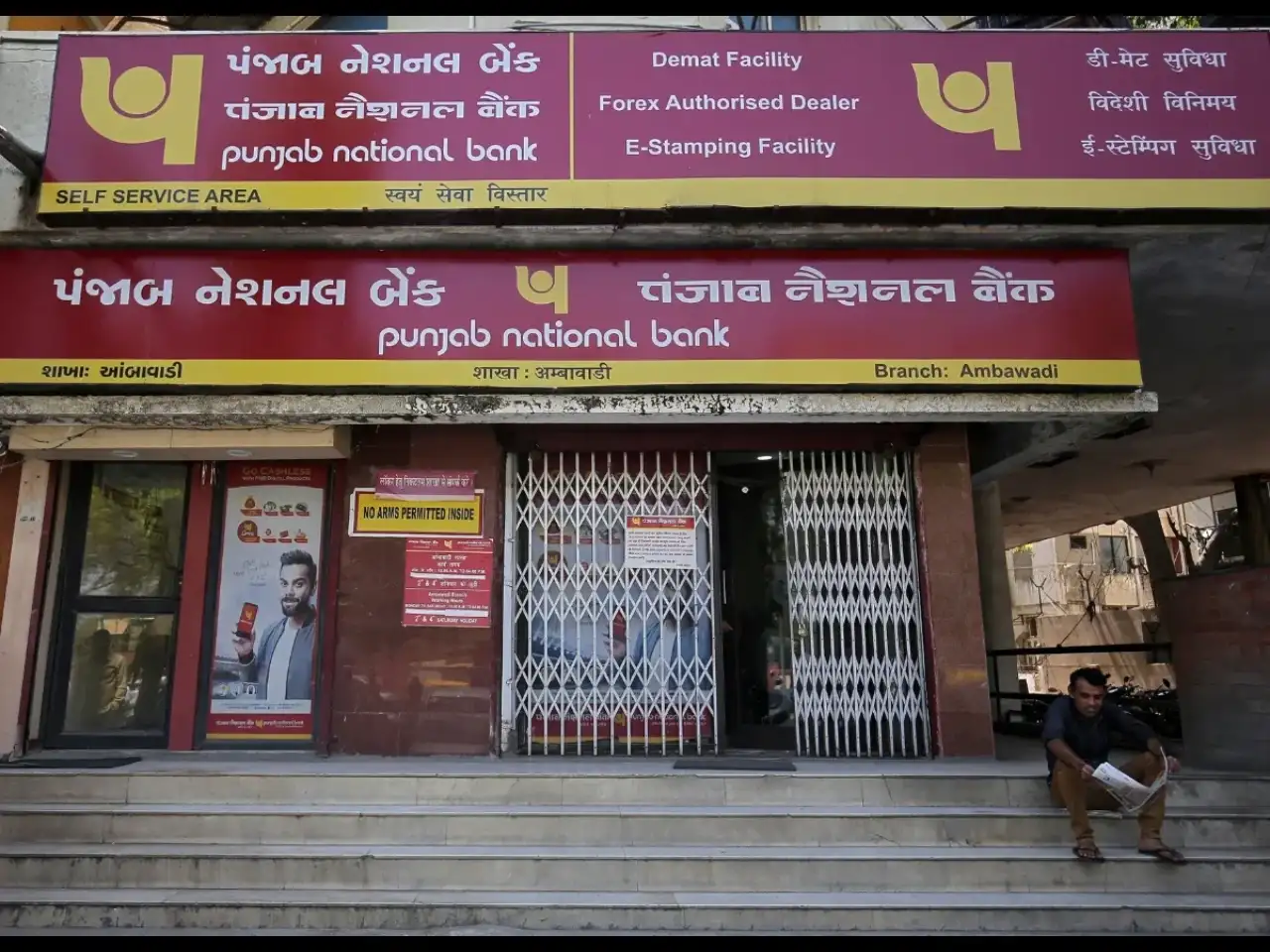
Most Indian banks in the UAE operate through representative offices, limiting the range of services that they can offer. Bank of Baroda is the only Indian lender with a full retail banking licence. State Bank of India has obtained a banking licence but continues to operate through its representative offices.
Bankers noted that no clarification has come in so far on bank representative offices' activities.
Sahitya K Chaturvedi, secretary-general of Indian Business and Professional Council, said operational realities have moderated the pace of mobilisation from the UAE, which hosts one of the largest Indian expatriate communities.
"Enhanced regulatory compliance, customer onboarding requirements, cross-border documentation, and cautious lending policies have collectively slowed implementation," he said. "Although the RBI permits lending and standby letters of credit (SBLC) against eligible FCNR deposits, Indian banks continue to extend such leveraged facilities selectively, primarily to private banking and high net worth clients after comprehensive credit and compliance assessments."
While several private sector banks have tied up with UAE lenders through SBLC, bankers said the SBLC route will remain a relatively small part of the overall market, with mobilisation from this channel estimated at $5 billion to $$7 billion of a potential $60 billion opportunity.