
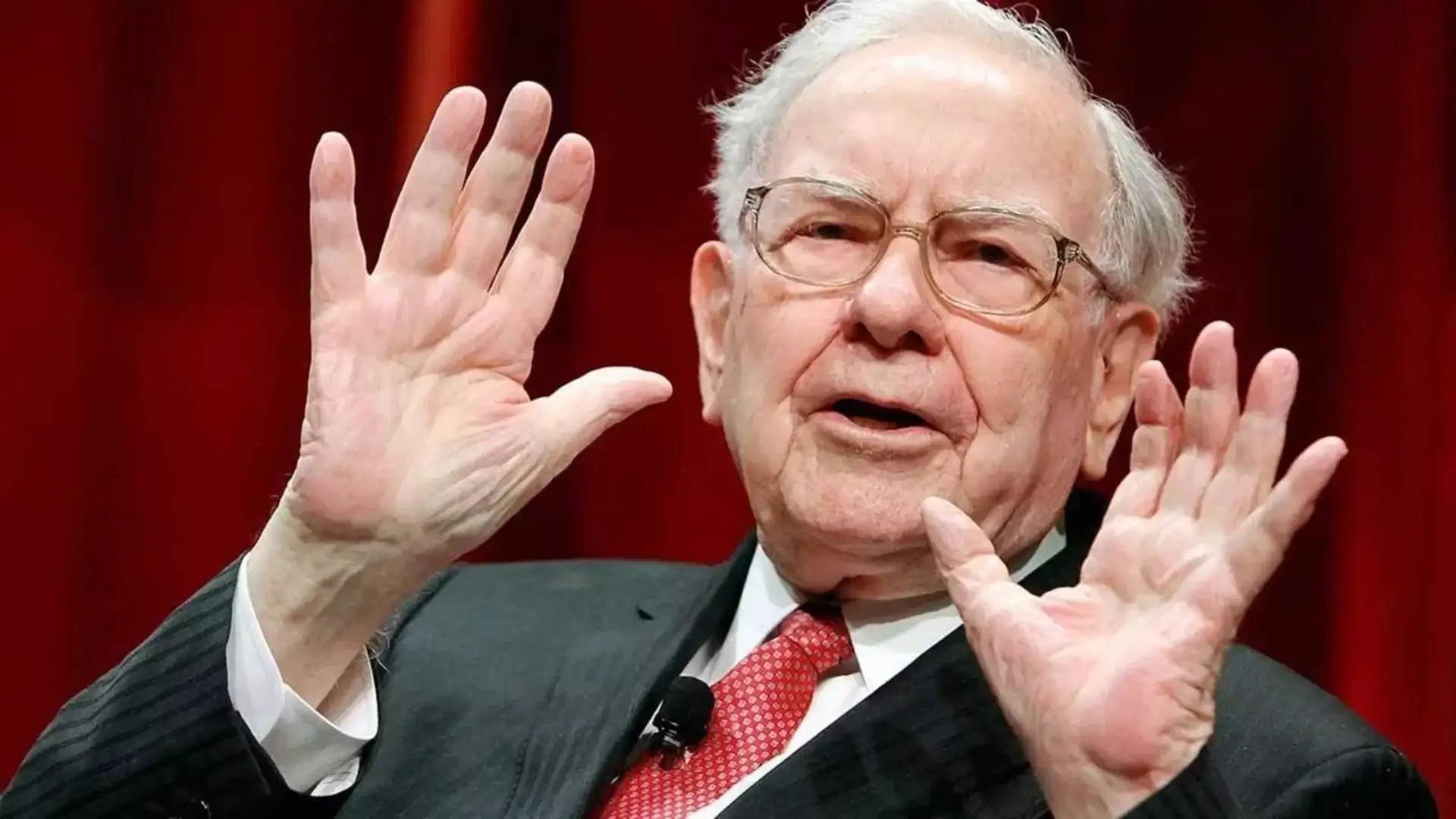
Holding cash at home is typically considered a safe investment option for many Indians even today, as they feel they can access it immediately in times of need. Legendary investor Warren Buffett feels cash is like oxygen for your portfolio, but it is not a good asset.
“You do need oxygen, and if you are ever without it for four or five minutes, you will learn. And cash is that way. So you always need to have it available, because you do not know what will happen,” Buffett told CNBC during an interview earlier this year. He, however, added that while holding cash at certain levels is necessary, it is not a good asset.
The legendary investor likes to keep some level of cash to pay obligations and as “dry powder” for any attractive acquisitions. He was replying to a question on z’s record cash pile, which stood at near $400 billion at the end of the first quarter of 2026. Earlier this year, Buffett said it is not the ideal environment to invest Berkshire’s record cash hoard. Several market analysts explained that the rationale behind this move may be expectations of a sharper crash ahead.
Also read | ‘In God we trust, all others pay cash’: Warren Buffett had the cash and still has it
However, his successor and new Berkshire CEO, Greg Abel, has recently begun putting the company’s record cash pile to work. The firm spent around $4.5 billion to buy back its own shares during the April-June quarter, and purchased nearly $20 billion worth of equities during the period.
Among its purchases was about $10 billion of additional Alphabet stock, the parent company of Google and YouTube, making it one of Berkshire's largest equity holdings. Berkshire ended June with $364.7 billion in cash and cash equivalents, down from a record $380.2 billion three months earlier. The company also said it spent $6.8 billion in late July to acquire shares of homebuilder Taylor Morrison, according to Reuters.
Berkshire's quarterly operating profit increased 16% to $12.98 billion, from $11.16 billion a year earlier, exceeding analysts' expectations. Net income more than doubled to $25.67 billion, from $12.37 billion a year earlier. The figure includes unrealized gains and losses on Berkshire's stock portfolio, which the company has urged investors to look past because of their volatility. Revenue rose 10% to $101.81 billion after remaining largely stagnant in previous quarters.
Also read | Independence Day 2026: How Sensex skyrocketed 8,500% in less than 35 years since 1991 liberalisation reforms