
After opening higher, the Indian stock market reversed course and fell sharply on Monday, with the Sensex tumbling over 900 points from the day’s high as concerns over persistent FII selling, rising bond yields and other headwinds overshadowed optimism.
Sensex dropped over 500 points to fall below 71,900 while Nifty 50 declined nearly 150 points to trade below the 22,400 level. This came while India VIX, which measures volatility in the market, jumped over 7% to cross 15. The Sensex had opened over 400 points higher before quickly reversing course and wiping out its opening gains.
Tech Mahindra shares dropped nearly 4% to lead losses on Sensex, while shares of ITC, SBI, Bharti Airtel, Hindustan Unilever, L&T, NTPC, ICICI Bank and Axis Bank fell up to 3%. Bucking the trend, M&M, BEL and Trent shares gained around 1% each. Broader markets however outperformed, with Nifty Midcap 100 and Nifty Smallcap 100 indices rising up to 1%.
Among the sectors, Nifty FMCG and Nifty PSU Bank indices dropped more than 1% each to lead losses, while Nifty Private Bank and Nifty IT slipped more than half a percent each. Nifty Auto meanwhile jumped over 1%. Despite benchmark indices trading in the red, the overall market breadth remained positive, with NSE seeing 1,884 advances against 1,474 declines, while 101 stocks remained unchanged.
Here are the key factors pushing market down today:
1) Bond yields soar to multi-year highs
The global bond selloff continued to intensify, resulting in a sharp spike in bond yields that typically makes the comparatively lower-risk government debt contracts look more attractive in comparison to the equity markets. The 10-year US Treasury yield recorded its biggest quarterly increase of the 21st century in the three months ended September, Reuters reported. The yield on 10-year US Treasuries climbed above 5.3%, surpassing its 2007 peak and hitting its highest since early 2002. The 30-year yield has touched 5.6%, also not seen since 2002.
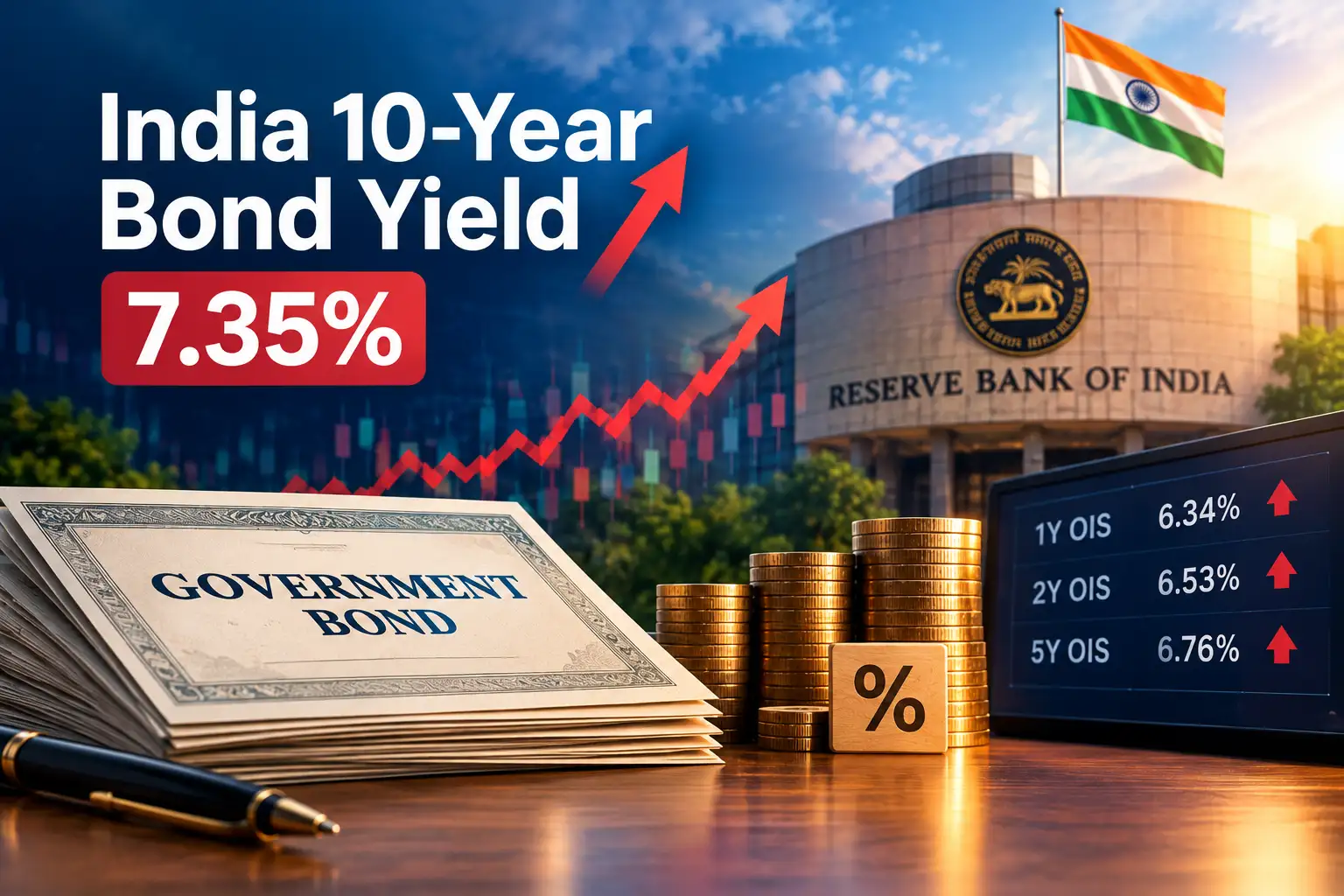
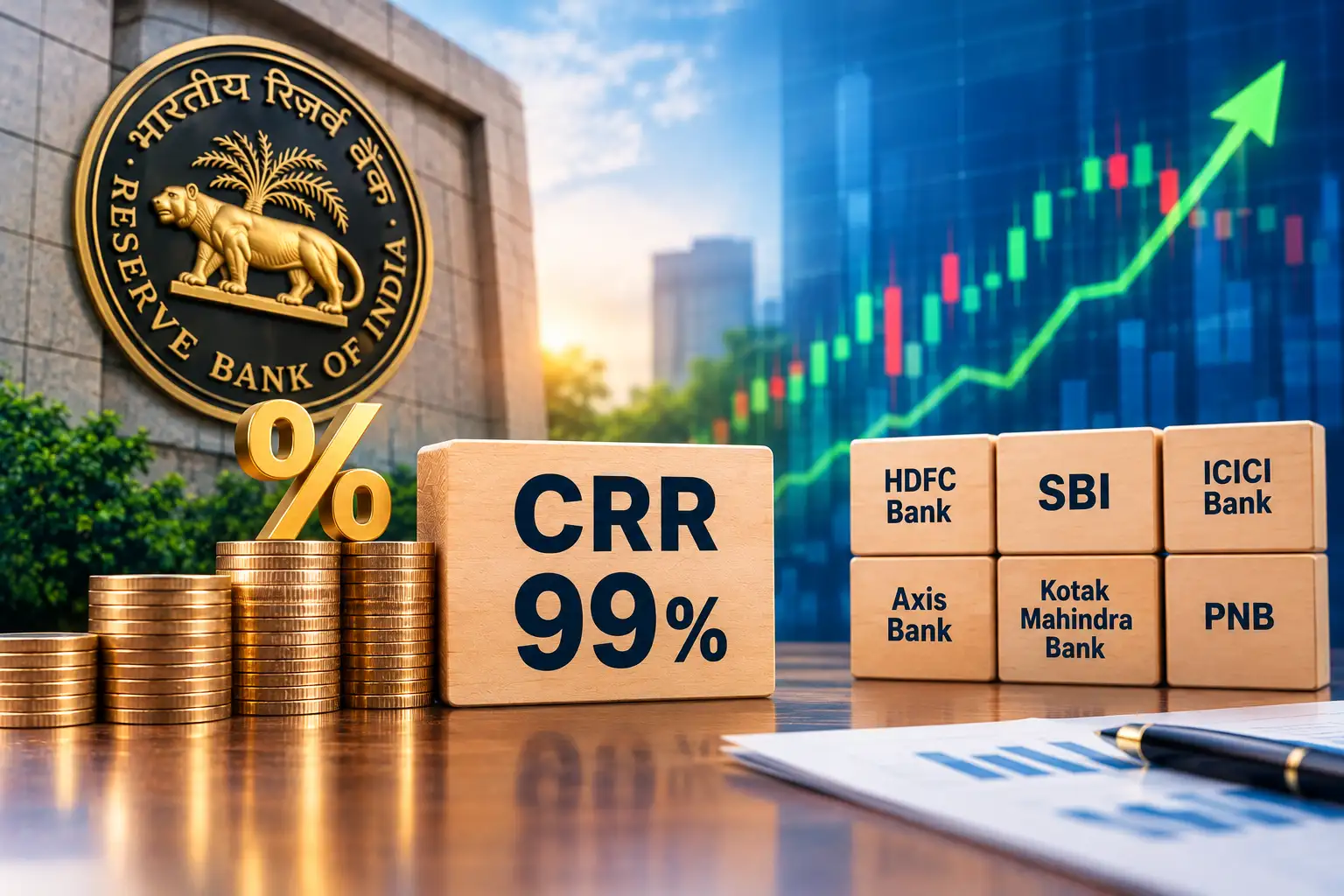
The India 10-year bond yield jumped to 7.37%, the highest in three years. This comes after the RBI announced measures to reduce surplus liquidity from the banking sector, announcing the lenders will have to maintain a minimum daily balance of 99% of the CRR requirement from the fortnight beginning October 16, up from 90% maintained so far.