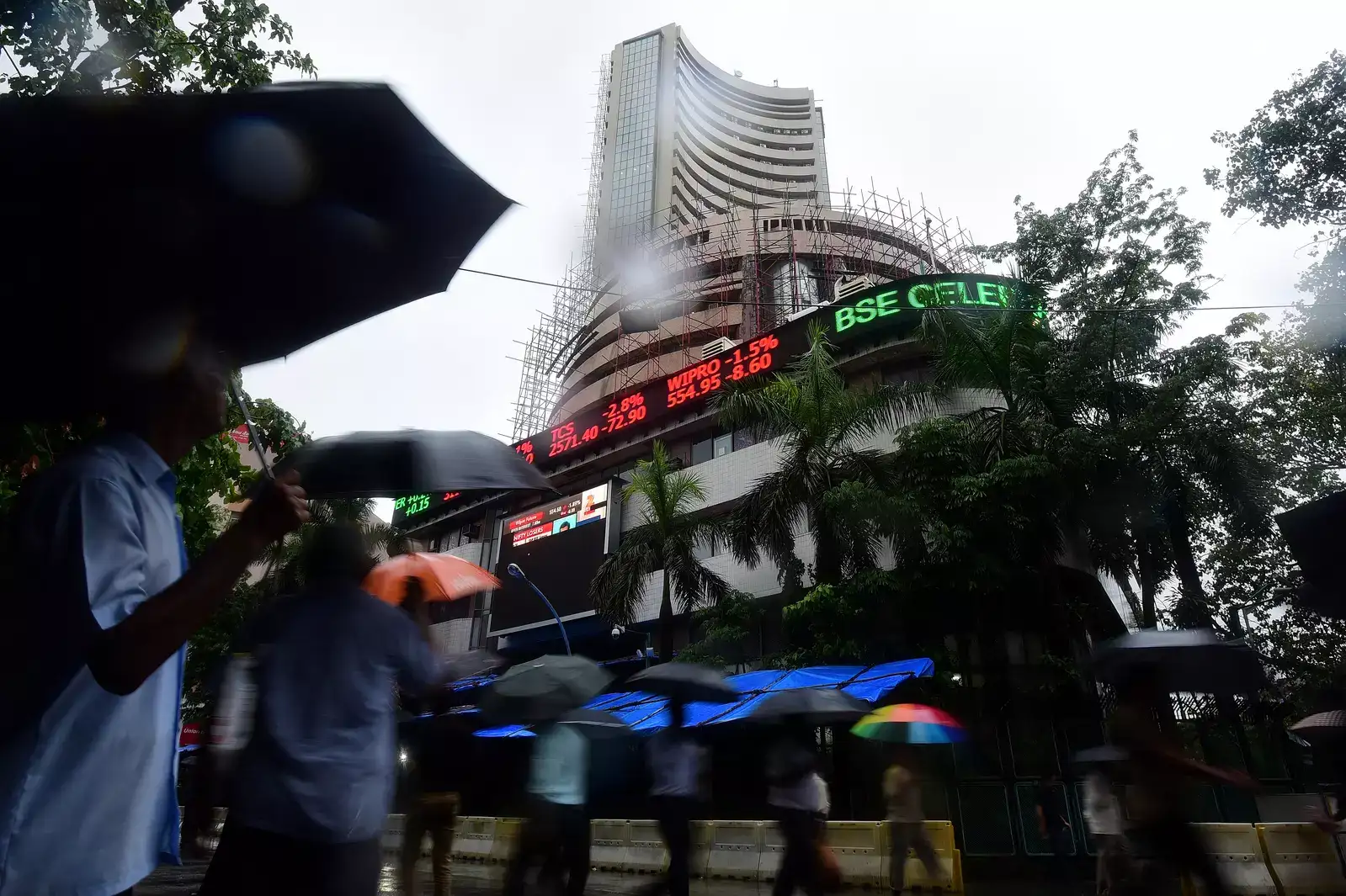
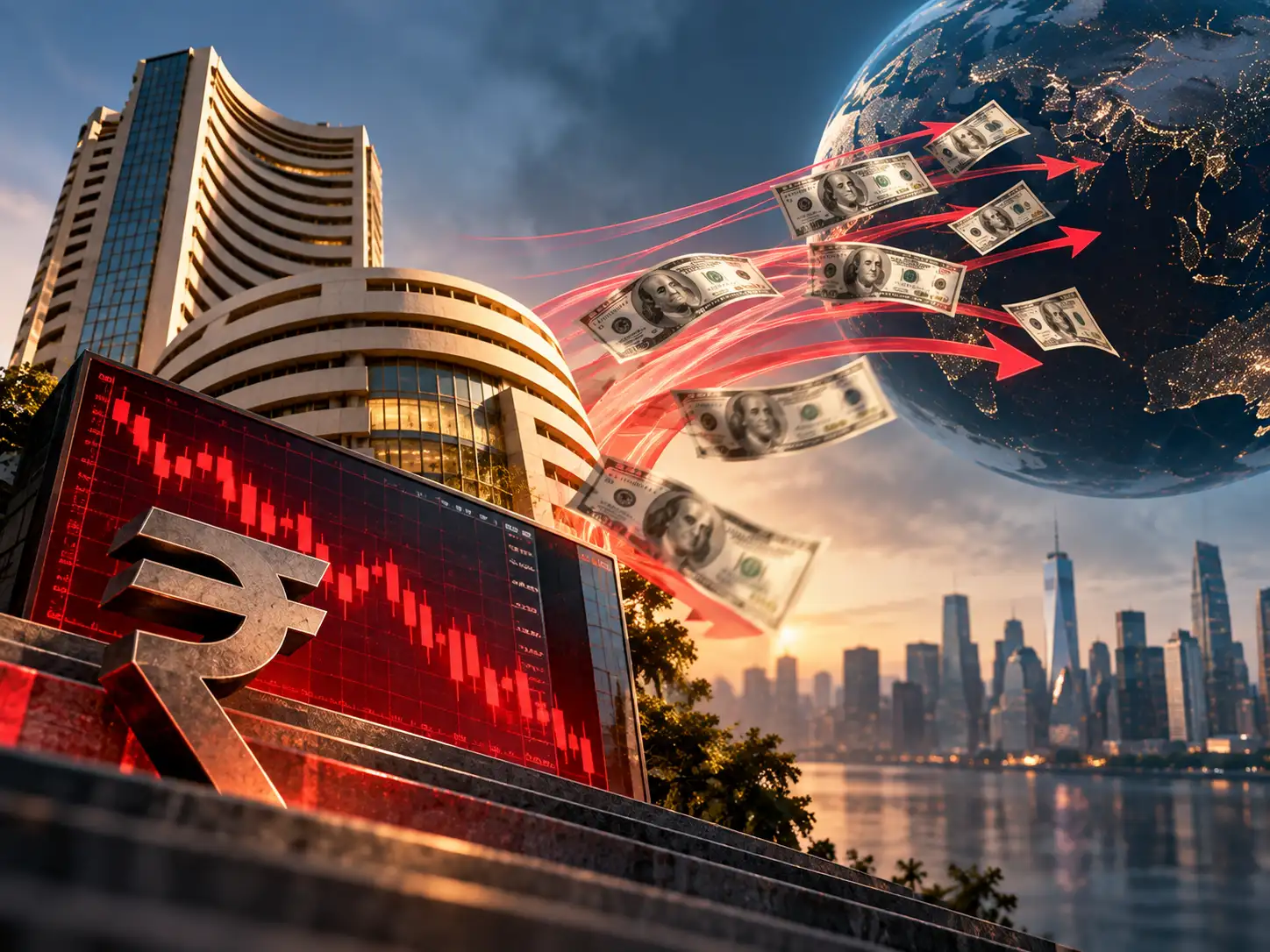
Foreign institutional investors have pulled out a baffling $2 billion or over Rs 20,000 crore, from Indian equities in the last two trading sessions as the Nifty and Sensex head for an eighth straight weekly fall, their first since 2001.
Provisional data from the exchanges showed that FIIs pulled out over Rs 10,148 crore on Wednesday and about Rs 10,743 crore a day earlier, taking this week’s total FII selloff to over Rs 26,000 crore.
Why are FIIs escaping India?
"The sharp correction in Nifty in September, so far, was triggered mainly by elevated crude and high US bond yields. The correction turned intense during the last few days when FIIs turned big sellers," said V K Vijayakumar, chief investment strategist at Geojit Investments.
He said foreign selling was understandable in the current global rate environment. "In the context of the 10-year US bond yields hovering around 5.2%, this FIIs selling is a rational act.”
Higher US bond yields reduce the relative appeal of emerging market equities because global investors can earn stronger returns from dollar assets. At the same time, crude oil has become a major risk for India. Since India imports most of its oil requirement, high crude prices can widen the current account deficit, add to inflation pressure and weigh on the rupee.
Elevated oil prices have exacerbated these concerns. As a major crude importer, India faces a wider current account deficit, higher inflation risks and increased pressure on the rupee as Brent prices rise. Higher oil prices can also squeeze corporate margins, particularly in fuel-intensive industries, and complicate the Reserve Bank of India’s policy choices.
Further, the US Fed’s interest rate hike, its first in three years, suggests another rate increase could be on the cards before the end of the year. A prolonged high-rate regime also raises funding costs, constrains global liquidity and encourages investors to favour dollar assets over riskier markets. Hawkish Federal Reserve commentary and stronger-than-expected US economic data have reinforced expectations that rates may remain higher for longer.
Will FIIs make a comeback?
Foreign investors are unlikely to return to Indian equities in large numbers even after the artificial intelligence trade peaks. A sustained revival in foreign inflows depends on India's ability to build globally competitive industries in areas such as semiconductors, batteries and energy storage, Bernstein said in a report.
Bernstein said high valuations are also making foreign capital more difficult to attract, with its analysis showing that rising relative valuations have coincided with weaker FII flows in recent years.
“We do not believe FIIs will return in large numbers even after the AI trade peaks,” the brokerage said, adding that a structural revival would require India to create “new engines of competitiveness, innovation, and global relevance.”
Value underneath?
Vijayakumar said the correction had also opened up opportunities for domestic investors. He added largecaps with strong growth prospects had reached attractive valuations, calling the current levels a value-buying opportunity. He identified financials, particularly large banks, capital goods, telecom and automobiles as segments offering good buying opportunities.
“After a 6.5% correction, valuations have moved into far more reasonable territory, and the downside from current levels should be limited,” Khemka said. Alok Agarwal, Deputy CIO at Alchemy Capital Management, said the Nifty had become relatively cheaper after a period of subdued returns and slow earnings growth.
“Nifty has become relatively cheaper, in our view. It may not feel cheap primarily due to no returns and slow earnings growth,” Agarwal said.
He said the Nifty 50 was trading at a one-year forward price-to-earnings multiple of 17.4x in September 2026, compared with 21.5x in September 2024. Over the same period, the index had corrected 11%, while earnings continued to grow, albeit at a subdued pace.
“So, the multiple did the falling. Current valuations are close to the lowest levels we have seen in the post-Covid era,” Agarwal said.