

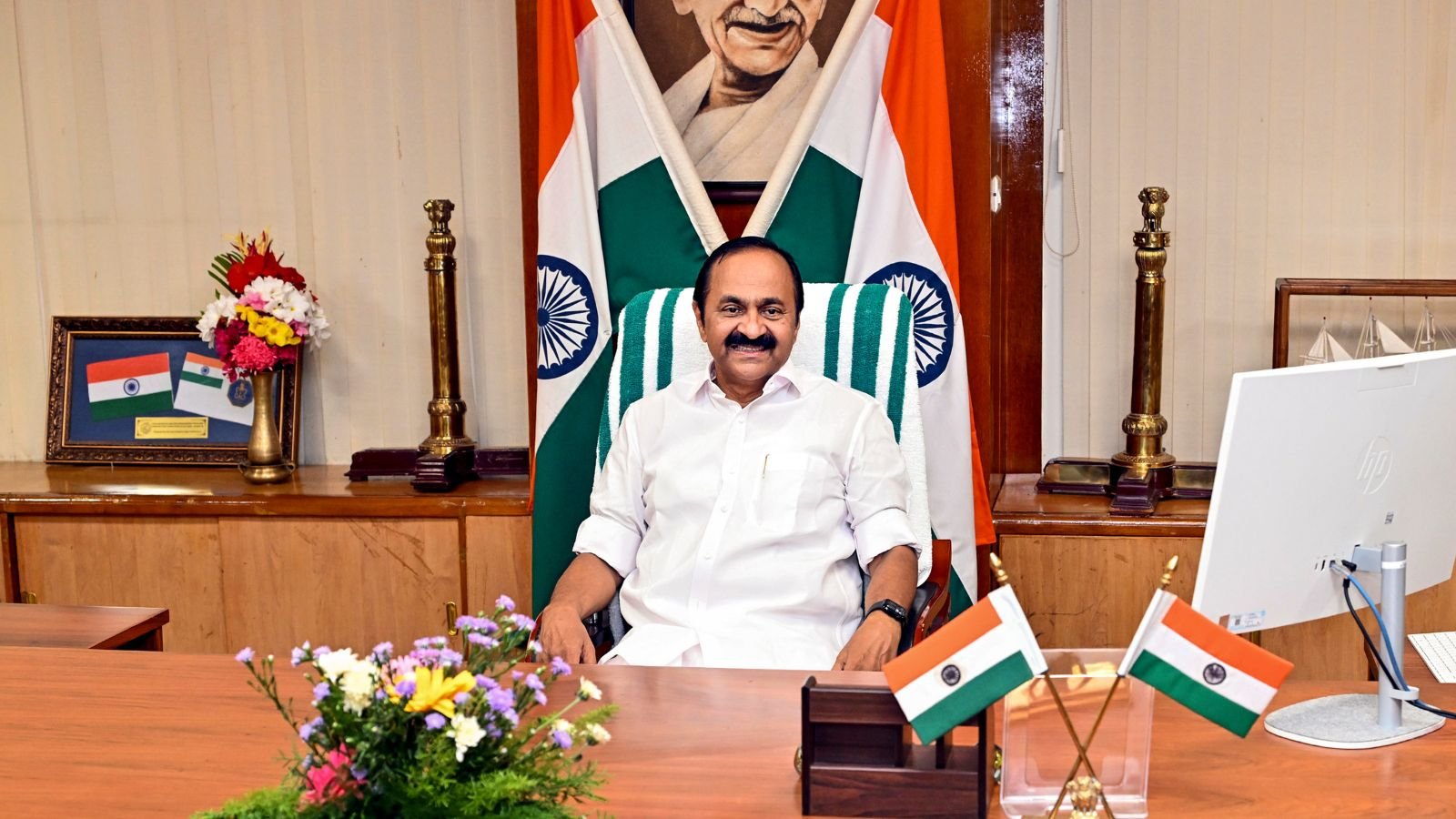
Kerala Chief Minister VD Satheesan. (PTI Photo)
Free bus travel for women in the state-run Kerala State Transport Corporation (KSRTC), which became the Congress-led United Democratic Front’s (UDF) first Cabinet decision after it was sworn in Monday, is likely to face major financial and operational challenges.
The scheme, announced hours after the V D Satheesan government took oath, is one of the “five Indira guarantees” promised in the UDF election manifesto and will come into effect on June 15.
But the initiative could be facing hurdles even before rollout. One of the biggest concerns is finances. A loss-making entity for years, KSRTC has survived largely on support from the already cash-strapped state government. Government data also show that the KSRTC fleet has shrunk over the years, operating around 4,000 buses compared to nearly 7,000 in the private sector. Of the 4,000-odd buses, 1,270 are more than 15 years old.
Meanwhile, operating costs continue to rise. Despite having only around 4,000 buses, KSRTC has 22,000 permanent employees and 43,000 pensioners. According to the 2026 Budget document, the previous LDF government pumped in Rs 14,000 crore over the last decade to meet the corporation’s salary, pension and operational expenses as its revenue was insufficient to sustain services. The data shows that between 18 and 23 lakh passengers travel by KSRTC buses daily — half of them women. Last week, after introducing gender ticketing, it was revealed that of the Rs 7.53 crore daily ticket revenue, Rs 3.75-4.25 crore came from tickets given to women passengers.
With the introduction of free travel for women, the financial burden on the government due to KSRTC is expected to rise sharply, making the corporation even more dependent on state finances for fleet management and operations.
The second hurdle could be opposition from private bus operators, who fear losing women passengers. Hours after the Cabinet decision, Kerala bus operators’ body president Gopinath told the media that the scheme would hurt the industry and reduce the revenues of private bus operators.
“We also want to survive. Our concerns should be addressed. Most of our passengers are women. With women shifting to KSRTC, we will lose passengers,” he said.
Stay updated with the latest – Click here to follow us on Instagram
© The Indian Express Pvt Ltd
