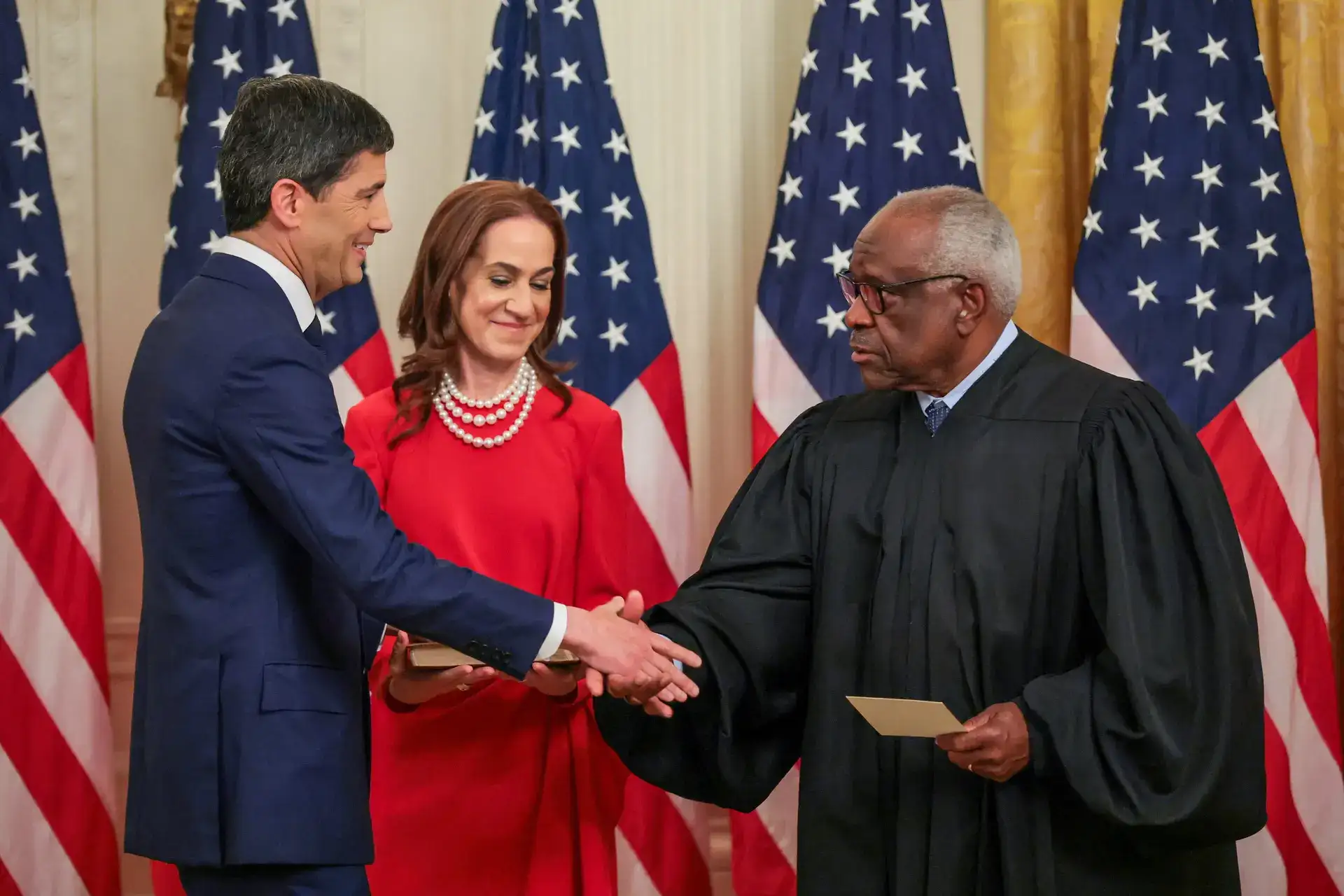
Kevin Warsh has officially taken charge as the new chair of the U.S. Federal Reserve at a highly sensitive moment for the global economy. Elevated inflation, rising oil prices, and geopolitical tensions have created a difficult backdrop for policymakers. Investors are now trying to assess whether Warsh will prioritise economic growth through rate cuts or focus aggressively on controlling inflation. (Sources: Reuters, The Wall Street Journal, CNBC)
“Inflation is the Fed’s choice”
Warsh has consistently argued that inflation is not merely the result of supply disruptions or geopolitical shocks. In his view, central banks themselves created many of the inflationary pressures through years of ultra-loose monetary policy and massive balance-sheet expansion. His comments suggest a much stricter approach towards inflation management going forward.
Trump wanted cuts — markets fear hikes
President Donald Trump had long criticised the Federal Reserve for keeping interest rates too high and was believed to favour a Fed chair supportive of lower borrowing costs. However, the economic environment has changed sharply due to war-driven energy inflation and rising bond yields. Markets are increasingly worried that Warsh may actually need to maintain higher rates for longer.
Warsh’s “regime change” vision
Warsh appears determined to reshape how the Federal Reserve operates and communicates with markets. He has criticised the Fed’s reliance on forward guidance, arguing that excessive signalling can distort investor behaviour. Instead, he seems to favour a more flexible and less predictable policy framework focused on restoring the central bank's credibility.
Balance sheet shrinkage in focus
A major part of Warsh’s policy agenda could involve reducing the Federal Reserve’s enormous balance sheet. He believes years of bond-buying programs made the Fed too deeply intertwined with financial markets. Investors fear that faster balance-sheet reduction could tighten liquidity conditions and increase volatility across global asset classes.
Wall Street watching the plumbing
Financial markets are paying close attention not only to interest rates but also to the Fed’s management of market liquidity. Analysts believe Warsh may pursue significant changes within the financial system’s “plumbing,” including reserve balances and funding markets. Any aggressive tightening of liquidity could affect equities, bonds, and credit markets simultaneously.
Inflation meets geopolitics
The ongoing Iran conflict and uncertainty surrounding the Strait of Hormuz have intensified fears about energy-driven inflation. Oil price volatility is adding fresh complications for central banks already struggling to stabilise prices. Warsh now faces the challenge of balancing inflation control with the need to avoid excessive damage to economic growth.
Fed independence under scrutiny
During his confirmation process, Warsh emphasised that he made no commitments to President Trump regarding future rate decisions. He stated that maintaining the Federal Reserve’s independence would remain a priority. Even so, investors remain cautious about how much political pressure the central bank could face during a volatile economic period.
Markets enter a new uncertainty phase
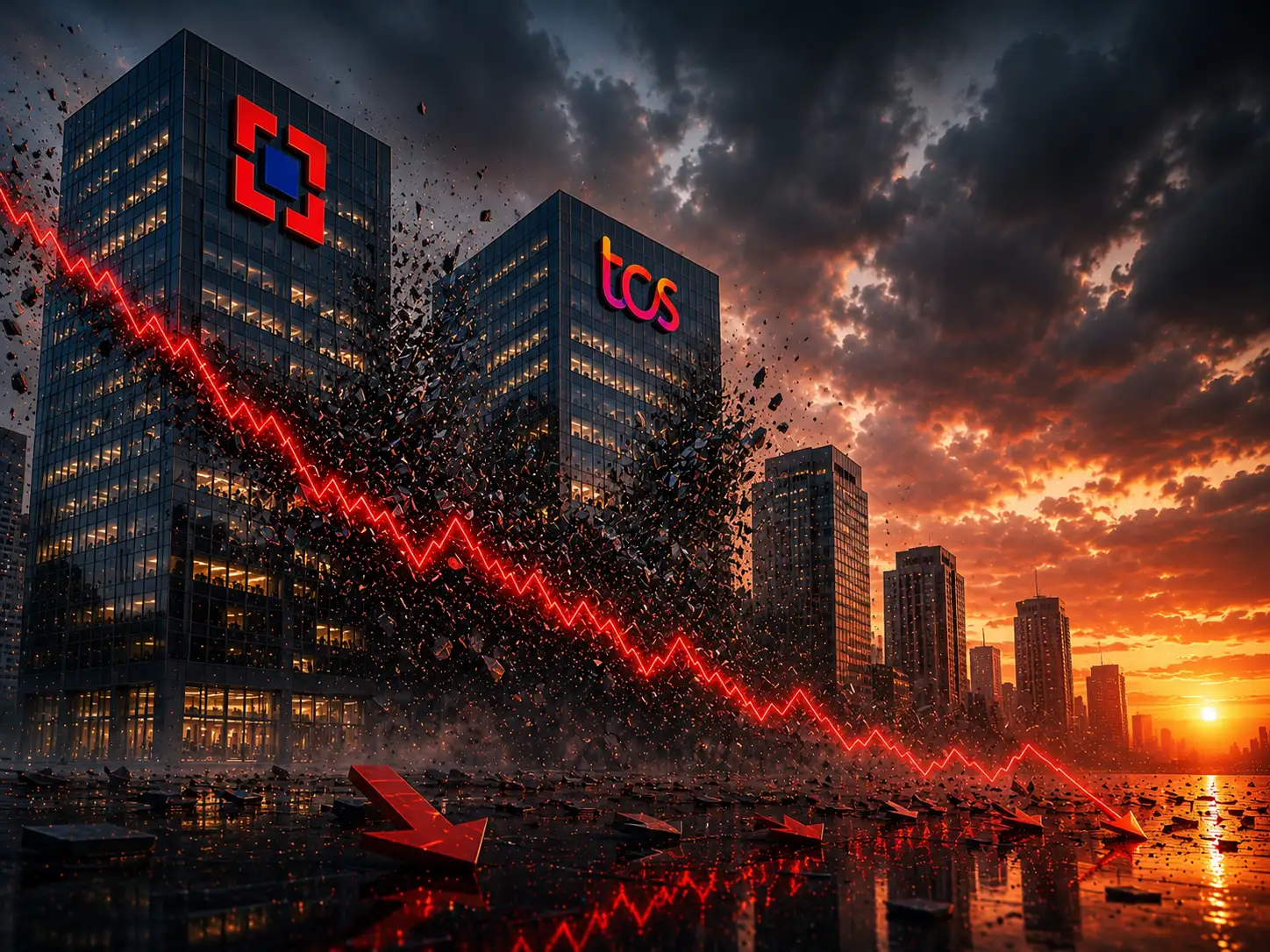
The arrival of Warsh has introduced a new layer of uncertainty into global financial markets. Investors are reassessing expectations around interest rates, liquidity, and inflation management. Many on Wall Street believe the new Fed leadership could mean less transparency, tighter liquidity conditions, and greater market volatility than seen during the Powell era.
Key takeaway
Kevin Warsh’s leadership may represent more than just a routine transition at the Federal Reserve. His views suggest the possibility of a broader structural shift towards stricter inflation control, reduced market intervention, and institutional reform. The central question for investors now is whether the Fed can restore price stability without triggering deeper financial market stress.