

As the Nifty flatlines through a gruelling two-year stretch of near-zero returns, the traditional flight to large-cap blue chips for safety is proving to be an outdated reflex. Radhika Gupta, MD & CEO of Edelweiss Mutual Fund, says the idea that large-cap stocks are the "safe" refuge and mid and smallcap stocks are the risky bet needs to be thrown out, as India's changing economic composition has made old labels around safety and quality obsolete.
“The world doesn’t end at largecaps. We have to challenge having pure largecap portfolios. There's also this whole narrative that large-caps are cheap, so let us just do large-caps because mid and smallcaps are expensive. We have to throw out these old narratives," Gupta, whose AMC recently crossed the Rs 1 lakh crore equity AUM milestone, told ET Markets in an interview.
Pointing to the March correction as evidence, she said mid and smallcaps actually outperformed largecaps during that selloff — not due to any anomaly, but because earnings growth in the midcap segment was the strongest. She also pushed back on the long-standing perception of IT as a defensive, quality bet. "We used to call IT a defensive sector," she noted, adding that investors need to "drop these labels and look at things much more bottom-up."
Part of the problem, Gupta explained, is that the Nifty itself is a poor proxy for the broader economy. The index is essentially concentrated in three sectors — IT, where she is underweight but not bullish; banking, which excludes the faster-growing capital markets space within financials; and energy. Unlike the US, where largecaps account for 95% of market cap, India's largecaps represent just 68%, and the country uses an unusual rank-based rather than market-cap-based definition of largecap, midcap and smallcap.
Furthermore, Indian largecaps do not mirror the high-growth dynamics of the "Magnificent Seven" in the United States. India's unique rank-based market cap definition means largecaps account for only 68% of the total market cap, compared to 95% in the US.
"Building a portfolio today needs a healthy dose of mid and smallcaps, because many of the sectors that represent India's future sit in that space," Gupta says, adding that her own equity allocation is roughly 60% to 70% in mid and smallcaps.
Also Read | 2 years, zero returns: Is it time for Nifty investors to be fearful or greedy?
Giving the example of financials, she said that 20 years ago, if you were an analyst covering financials, you covered banks, NBFCs, and housing finance companies.
“Today, I have a sub-analyst who covers only capital markets, because now there are exchanges, depositories, insurance companies, asset managers, wealth managers, brokers, and market infrastructure institutions. So if India is changing — if so much money has moved out of FDs and physical assets into financial assets — the entire capital markets sector has changed. And Most of the themes I mentioned in capital markets are midcap companies. Are capital markets riskier than banks? Perhaps. But ultimately, we pay for earnings growth, and investors have to go where the growth is,” Gupta said.
FII bears vs SIP bulls
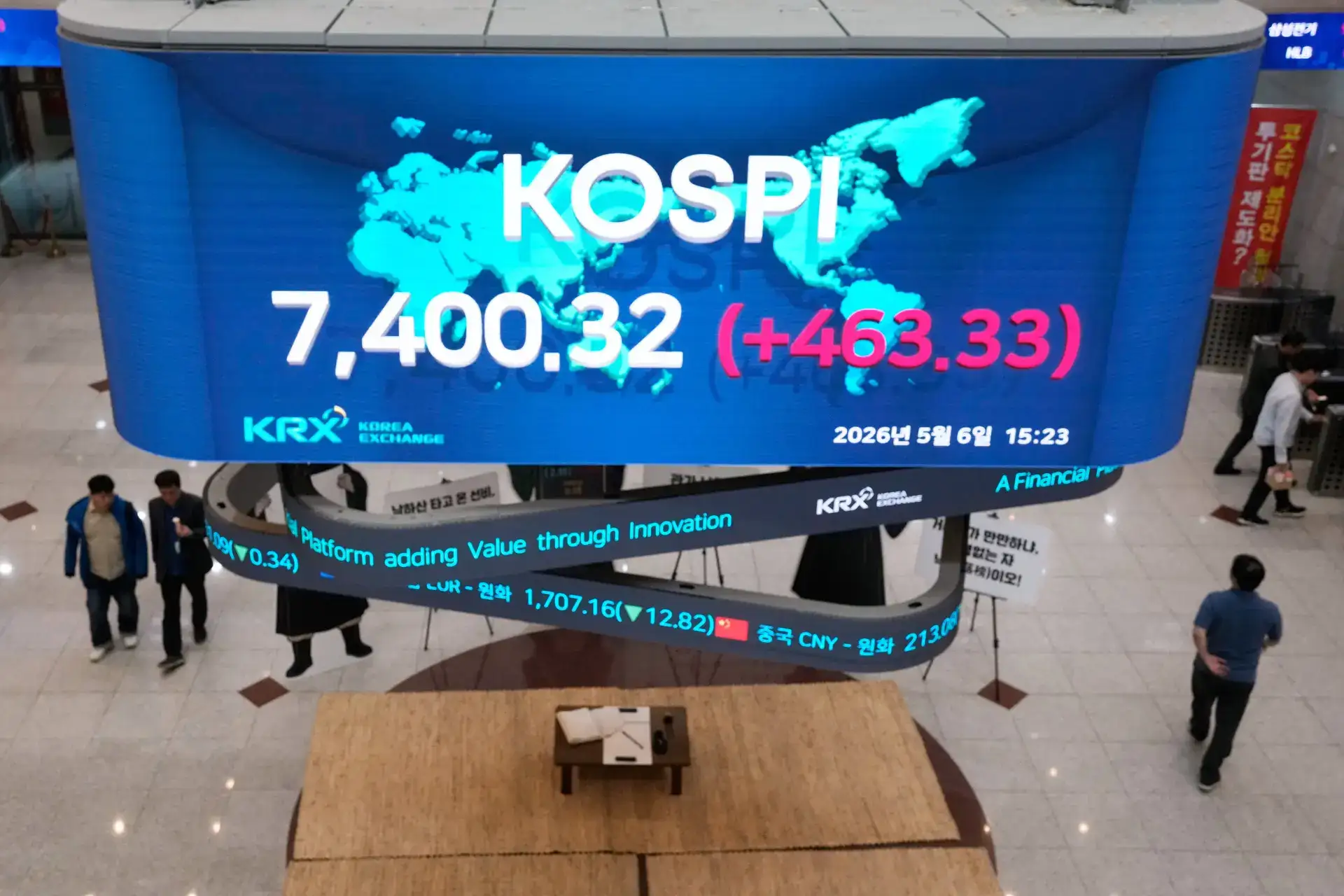
On the sustained FII selling, Gupta resisted pinning the blame solely on the recent capital gains tax changes, calling it a story with no single cause. She pointed instead to a confluence of factors that coincided with the outflows: the global AI trade pulling capital elsewhere, elevated valuations in India compared with markets like Korea, which is trading at a P/E of 10, and rising crude prices weighing on India as a crude importer.
Even so, Gupta struck an optimistic note on domestic flows offsetting foreign selling, calling India's SIP-driven market depth "fantastic" and pointing out that despite Rs 1.5 lakh crore to Rs 2 lakh crore of FII selling, "the market hasn't been shaken."
FIIs, she said, have also begun moving into mid and smallcaps, something they previously avoided, now that they know they can execute large exits given the market's depth. She credited India's SIP culture with building "genuine domestic faith in Indian equity markets," calling it a milestone that shouldn't be undercut by "influencers and Twitter cynics."
Looking ahead to returns, Gupta declined to forecast a precise number but said double-digit equity returns look achievable given expected nominal GDP growth in the low double digits, though whether that lands closer to 12% or 18% is uncertain. "You have a better shot at 11-12% than at 18% on the large-cap index," she said.
Also Read |Is your SIP giving FIIs an easy exit? AMFI CEO says mutual funds will actually lure them back
Where to invest at this stage?
On portfolio construction, Gupta described her own allocation as 60-70% in mid- and small-caps within equities, alongside hybrid funds for fixed-income exposure, roughly 10% in gold and silver via SIPs, continued exposure to US and emerging markets, and a growing allocation to newly launched SIFs.
For a 30-year-old starting a Rs 20,000 monthly SIP with a long investment horizon, she suggested allocating 50% to Indian equities, 10-15% to fixed income or hybrid funds, 10% to gold, and 10-15% to international assets.
On global diversification, Gupta used her recurring "thali" analogy: International exposure is not the starting point for a portfolio but the fourth component, after equity, debt, and a gold/silver hedge. "If you haven't made your first investment yet, that first investment should be in Indian equities, because if anything goes wrong in India, at least you understand it," she said, recommending international exposure of 10-15% of a portfolio. She holds 17% of her own, capped by regulatory limits.
She dismissed arguments for making global exposure the first allocation as "recency bias," noting that even sophisticated investors get "confused" when they don't understand a foreign market's dynamics, citing client reactions to volatility in a China fund the firm runs.