
Global markets enter the week facing a mix of economic, geopolitical, and policy-driven developments. Investors will closely track key economic releases, central bank decisions, the continued AI-driven rally in technology stocks, currency pressures in emerging markets, and political developments in Latin America. (Source: Reuters)
Five Major Themes Driving Markets
The week ahead is expected to be dominated by five key themes. Investors will closely watch the U.S. jobs report for clues on economic strength and inflation, while euro zone inflation data will help shape expectations for future ECB policy. The AI boom continues to drive technology valuations higher, the rupee remains under pressure amid rising oil prices, and Colombia's presidential election will be monitored for its potential impact on regional markets.
Ready for a Jobs Jolt?
The May U.S. non-farm payrolls report is expected to show that job creation slowed to around 96,000 positions from 115,000 in April, while the unemployment rate is projected to rise slightly to 4.3%. Investors will study the data carefully to assess whether the labour market remains resilient or is beginning to lose momentum amid higher interest rates and persistent inflation pressures.
Inflation Still the Main Concern
The employment report arrives at a critical time for the Federal Reserve. Inflation remains above the central bank’s target, and investors are increasingly concerned that a strong labour market could keep price pressures elevated. A robust jobs report could reinforce expectations that interest rates may need to remain higher for longer, while any signs of weakness could revive hopes of future policy easing.
ECB Watching Energy Spillovers
Attention in Europe will shift to May inflation data, which is expected to show headline inflation at around 3% and core inflation near 2.2%. Policymakers are particularly focused on whether rising energy prices linked to Middle East tensions are beginning to spread into broader areas of the economy, creating more persistent inflationary pressures.
More Tightening Ahead?
The European Central Bank is widely expected to raise interest rates by 25 basis points at its upcoming meeting. However, the outlook beyond June remains uncertain. Financial markets are pricing in the possibility of additional rate hikes later this year, but much will depend on whether inflation continues to accelerate and how strongly energy costs affect broader consumer prices.
The Trillion-Dollar Club Expands
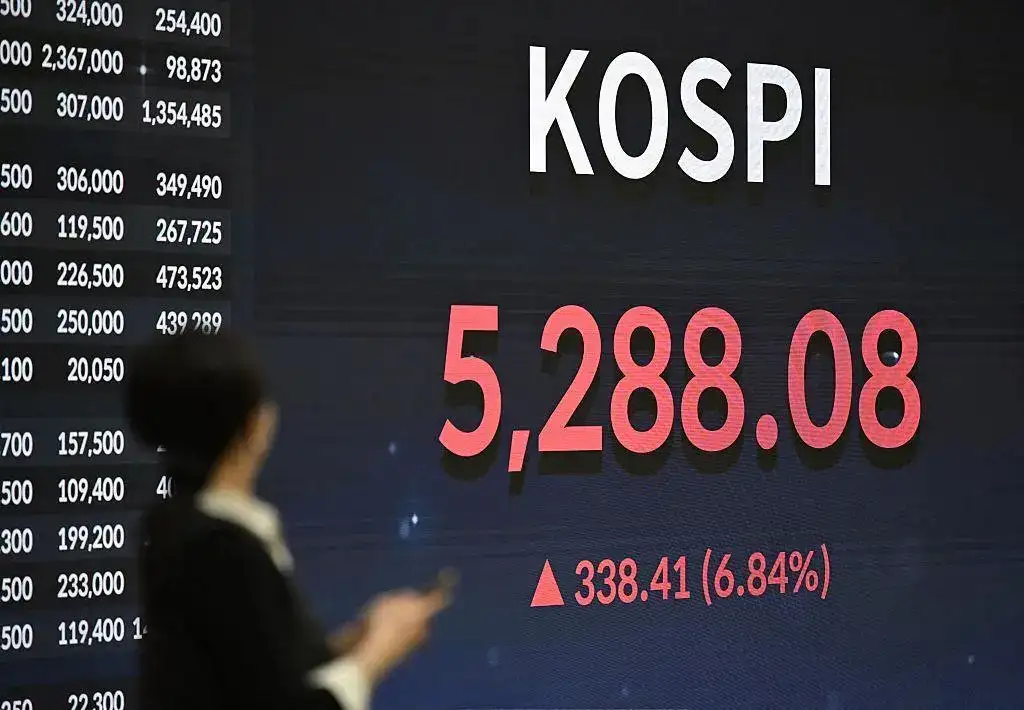
The powerful AI-driven rally in global equities has pushed more companies into the exclusive trillion-dollar market-capitalisation club. South Korea’s SK Hynix and Micron Technology have recently crossed the trillion-dollar threshold, joining a group led by Nvidia, whose valuation has surged beyond $5 trillion. The developments underscore investors’ continued confidence in the long-term growth potential of artificial intelligence.
Opportunity vs Risk
While the AI boom continues to generate substantial gains for technology stocks, it is also creating concerns about market concentration and valuation risks. Investors must decide whether to remain invested in a winning trend or become more cautious about the growing dominance of a relatively small group of companies that increasingly drive overall market performance.
Rupee on the Ropes
The rupee has come under significant pressure in recent weeks, briefly approaching record lows against the U.S. dollar. Rising crude oil prices, driven by the conflict involving Iran, have increased concerns about India’s import bill and current account position. These factors have contributed to capital outflows and heightened volatility in currency markets.
Hike or Hold?
The Reserve Bank of India’s upcoming policy meeting has become a major focus for investors. While the central bank has signalled that it is not eager to use interest rates to defend the currency, market participants remain divided on whether policymakers will opt for a surprise rate hike. The decision will largely depend on the balance between inflation risks and concerns about supporting economic growth.
Colombia Heads to the Polls
Colombia’s first-round presidential election is expected to set the stage for a runoff vote later in June. Senator Ivan Cepeda currently leads opinion polls but is unlikely to secure an outright victory. Investors are paying close attention to which candidate advances to the second round, as the outcome could influence fiscal policy, economic reforms, and investor sentiment.
Fiscal Credibility Matters Most
For financial markets, the election is less about political ideology and more about economic credibility. Investors will closely monitor candidates’ commitments to fiscal discipline, inflation control, and economic stability. Immediate market reactions are likely to be reflected in the performance of the Colombian peso and shares of major companies such as Ecopetrol.
Key Risks to Monitor
Several risks could shape market direction in the coming days. These include unexpected strength in U.S. inflation, persistent energy-driven price pressures in Europe, renewed escalation of tensions in the Middle East, further weakness in the rupee, election-related volatility in Latin America, and concerns that AI-related stock valuations may have become stretched.
What Investors Should Watch This Week
This week offers several potential market-moving events, including the U.S. jobs report, euro zone inflation data, the ECB’s policy outlook, the RBI’s interest rate decision, and developments surrounding efforts to maintain the Iran-U.S. ceasefire. Together, these events will help determine whether markets remain focused on economic resilience and AI optimism or become increasingly concerned about inflation, geopolitical risks, and tighter monetary policy.