

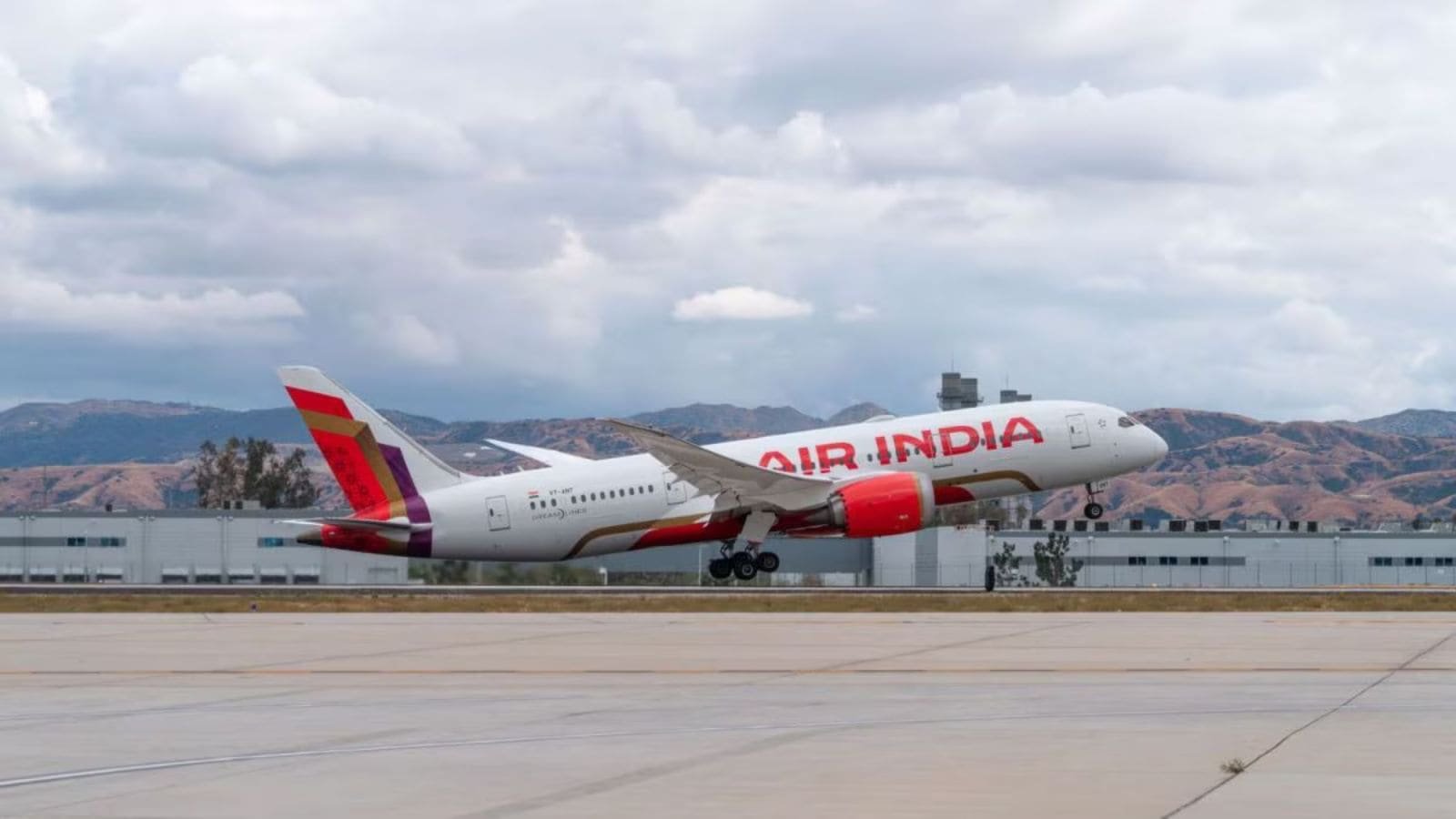
Fuel control switches control the flow of fuel to the aircraft engines, and are supposed to move only through specific pull-and-lock mechanism. (File Photo)
The fuel control switch module from an Air India Boeing 787 aircraft will be tested at a Boeing facility in the US to check its performance and robustness following an issue reported by a pilot in February. The Directorate General of Civil Aviation (DGCA) said that the inspection, which will be done in the presence of DGCA officials, is to ensure the continued airworthiness of these specific fuel control switches. Air India said that the testing is understood to be intended to ensure a thorough evaluation out of “abundant caution”.
Fuel control switches have been at the focus of the investigation into the fatal crash of another Air India Boeing 787 jet—VT-ANB—in Ahmedabad in June last year, with the preliminary probe report saying that the accident occurred after both engines were starved as both its fuel control switches transitioned from ‘RUN’ to ‘CUTOFF’ position within a second of each other moments after lift-off. Although not directly linked to the VT-ANB crash investigation, the testing of the fuel control switch panel of the another Boeing 787–VT-ANX–comes at a time when the final probe report on the crash is expected within a few weeks.
On February 2, an Air India pilot had reported to the airline that one of the two fuel control switches on VT-ANX was slipping from RUN to CUTOFF position if pushed down slightly during engine start in London, and locked properly in the RUN position only on the third attempt. The aircraft operated a London-Delhi flight, after which the pilot logged the issue. Fuel control switches control the flow of fuel to the aircraft engines, and are supposed to move only through specific pull-and-lock mechanism to prevent accidental disengagement.
“The module had already been confirmed as fully functional by both the OEM (original equipment manufacturer) and the DGCA (Directorate General of Civil Aviation). The decision to proceed with further review and testing is understood to be intended to ensure a thorough and conclusive evaluation of the component, as a measure of abundant caution. This additional step involves examination in a controlled laboratory environment to definitively confirm its performance and integrity. We fully support the process,” an Air India spokesperson said.
“Upon review of the inspection results and evidence provided, OEM concluded that the Fuel Control Switch was mechanically functioning as designed and considered the unit serviceable. The DGCA India, as part of continued airworthiness of the involved Fuel Control Switch, has directed for their inspection at OEM facility in presence of DGCA officers,” the DGCA said on Tuesday
Following the pilot’s report regarding the VT-ANX incident in February, the Tata group airline initiated a precautionary fleet-wide inspection of the fuel control switch latch on its Boeing 787s “out of abundance of caution”, but no abnormality was reported. Notably, a day after the incident, the DGCA said that evidently the correct procedure had not been followed by the pilots for moving the switches. The regulator had also advised the airline to circulate the Boeing-recommended procedure for the operation of fuels switches to its crew members.
© The Indian Express Pvt Ltd
