
South Korean shares rose sharply on Friday, tracking gains in U.S. chip stocks. The benchmark KOSPI was up 121.10 points, or 1.80%, at 6,836.51 as of 0130 GMT. Despite Friday's gains, the index was down 0.9% for the week after advancing 3.3% in the previous week.
Reuters reported that Asian stocks gained on Friday as easing oil prices and a rebound in technology shares on Wall Street improved investor sentiment. Lower U.S. Treasury yields also helped ease pressure on risk assets.
Read more: BOJ raises interest rates to 31-year high in widely expected move
Semiconductor stocks led the advance in Seoul. Samsung Electronics rose 2.28%, while SK Hynix gained 4.30%, tracking a 3.1% rise in the Philadelphia Semiconductor Index on Thursday.
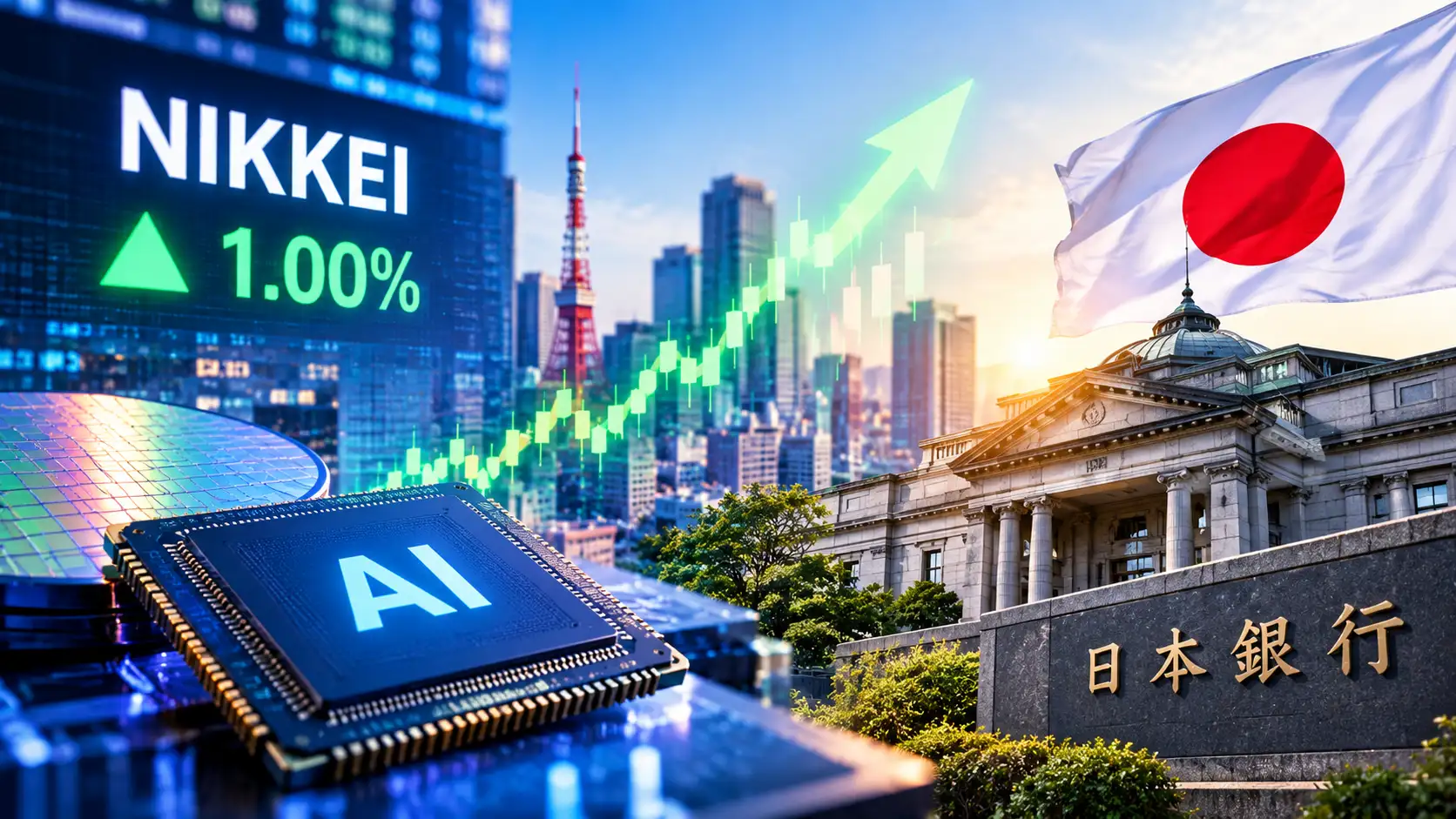
The Bank of Japan was also in focus as it raised its policy rate to 1.25% from 1% on Friday, taking borrowing costs to their highest level in 31 years. Reuters reported that the decision was widely expected and was aimed at curbing inflation and preventing it from exceeding the central bank's 2% target.
Read more: Global Market Today: Asian stocks, bonds gain as oil extends decline
Among other major stocks, battery maker LG Energy Solution fell 0.55%, while Hyundai Motor gained 1.17%. Kia Corp was unchanged. POSCO Holdings declined 0.31%, while Samsung BioLogics slipped 0.29%.
Of the 909 stocks traded, 457 advanced and 406 declined. Foreign investors were net buyers of South Korean shares worth 157.7 billion won ($113.99 million).
The South Korean won was quoted at 1,384.1 per dollar on the onshore settlement platform, down 0.19% from its previous close of 1,381.5.
In South Korea's bond market, December futures on three-year Treasury bonds gained 0.09 point to 102.30. The yield on the most liquid three-year Korean Treasury bond fell 3.5 basis points to 4.023%, while the benchmark 10-year yield declined 7.3 basis points to 4.439%.
Broader Asian markets were supported by a retreat in oil prices and gains on Wall Street, although investors remained focused on inflation risks and the direction of global monetary policy.
(Disclaimer: Recommendations, suggestions, views, and opinions given by experts are their own. These do not represent the views of The Economic Times.)