As the nation begins its busiest part of the year marked by a string of Hindu festivals and monsoon harvests, consumer demand is skyrocketing. Companies selling everything from shampoos to jewelry to baby formula to watches are reporting robust demand — and even managing to raise prices. Yet the stocks of bellwethers like Hindustan Unilever Ltd. and Maruti Suzuki India Ltd. have sunk to multiyear lows.
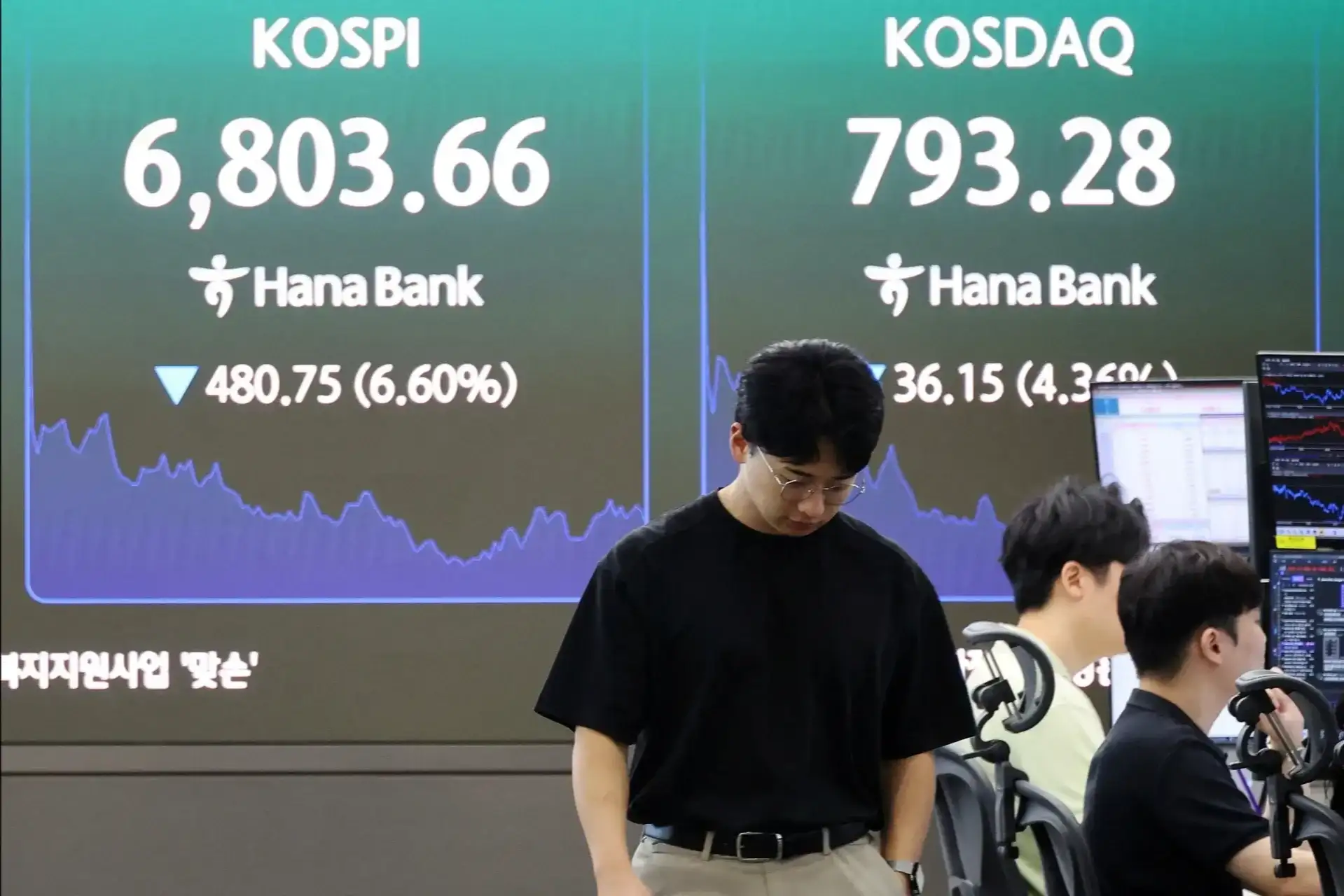
Indian stocks have underperformed global markets for more than two years, losing nearly half their value, as foreign capital fled. Disappointing earnings, scant exposure to the artificial-intelligence boom, and external shocks such as US tariffs and oil-price spikes from the Iran war have all weighed on returns. As global money managers ran out of reasons to invest, some bulls nursed one hope — that once consumer demand accelerated, corporate earnings would improve, offsetting the drag and reviving returns.
Now, even that flicker is being doused. The latest quarterly results show that a consumption boom is unlikely to end stocks’ underperformance. We may well be heading into a paradoxical period — rapid economic growth co-existing with an equity market in the doldrums.
Read more: November could favour bulls, but macro headwinds cloud outlook
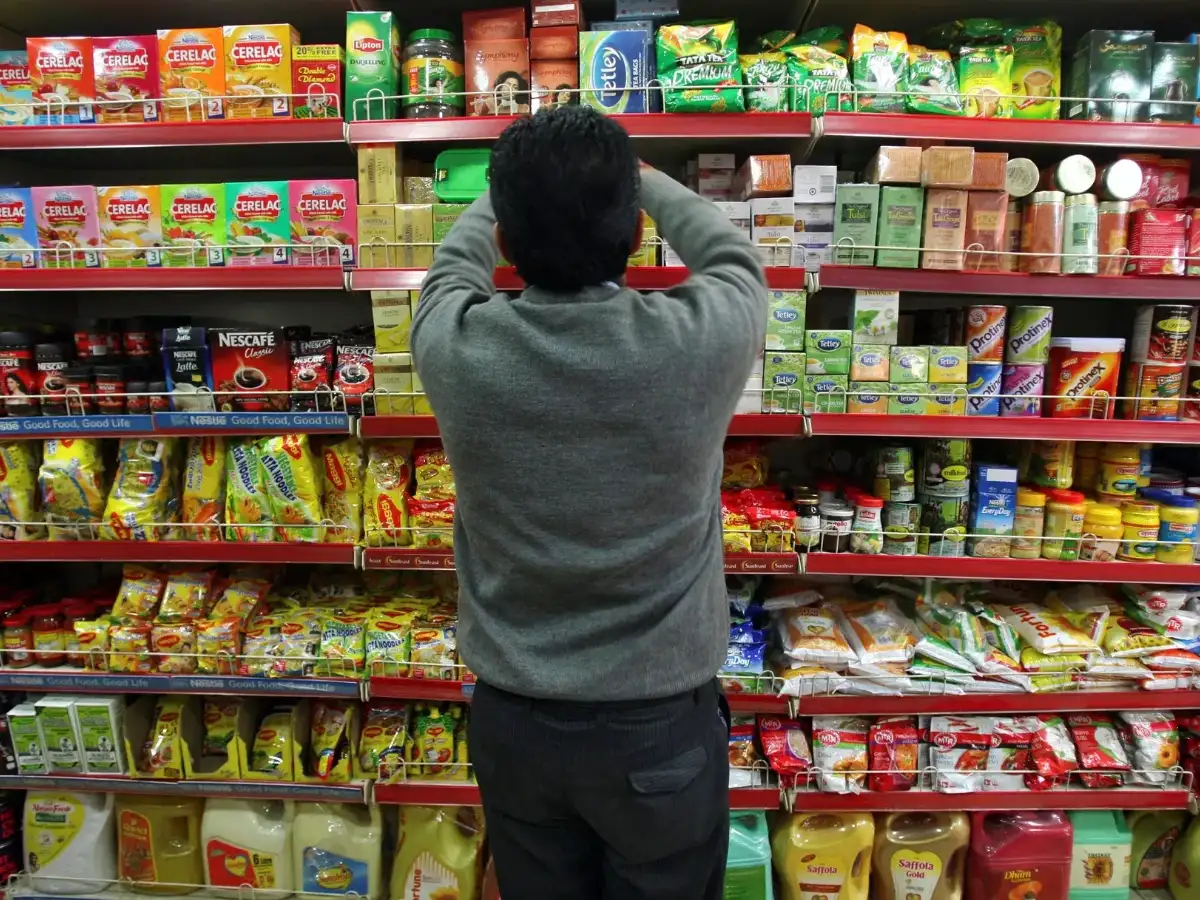
Consumer demand among the country’s 1.5 billion people is coming back with a roar. The e-commerce market is heading for its fastest growth in five years and will hit a record $90 billion in 2026, according to Redseer Strategy Consultants. The trend growth in consumer demand has moved up a couple of notches, according to official data.
From consumer-goods company Dabur India Ltd. to Nestlé India Ltd. to jeweler Titan Co., businesses are reporting double-digit sales growth. Most are hiking prices because of robust demand.
Read more: Reliance Industries eyes growth boost from O2C, retail and Jio businesses
But that’s not enough for investors. They are now valuing resilience more than headline growth. The question is no longer simply how fast companies can expand, but how much of that growth they can convert into profits when higher input costs, taxes and other pressures are eating into margins. Shareholders have little appetite for consumer companies pursuing growth by surrendering profit margins. Shares are being valued for the minimum rate of expansion the country can sustain in the wake of external pressures, especially surging oil prices.
The economy is particularly vulnerable to oil prices. India imports almost 90% of its crude-oil needs. That’s starting to hurt profitability. Eight months into the Iran war, the average profit at companies in the benchmark Sensex index is coming in 11% below forecasts made a year ago.
Higher fuel and freight costs also are feeding into food prices and other everyday goods, and will eventually curtail how much households spend. It’s that future possibility that stocks are pricing in. The inflation imported through higher oil prices will persist until the Iran war ends and economists expect it to remain high well into 2027. Investors evaluating the financial results of consumer companies are already finding some of that stress seeping through.
Escalating commodity prices are lifting costs even as demand is outstripping supply. Crude-derived ingredients and other input prices are making it expensive to produce everything from soaps, detergents and cosmetics, and price hikes are not enough to offset that.
The Hindu calendar is choc-a-bloc with festivals from October to January, when families spend on ritual-linked purchases that are considered necessities rather than discretionary. That’s giving a short-term boost to corporate profits, but would dry up when the season is over.
So what can end India’s equity-market underperformance?
In the short term, the Iran war needs to end before a durable bull can return. The unwinding of the AI frenzy could also lend a hand, given that India is increasingly seen as a market that benefits from a rotation away from the technology boom.
The government and the Reserve Bank of India also have parts to play.
Containing inflation and stabilizing the rupee will be essential to restoring investor confidence. However, an interest-rate hike by the RBI, on its own, is unlikely to deliver either outcome. New Delhi must closely monitor supplies of grains and vegetables across the country, and prevent shortages fueled by hoarding and speculation. State governments, meanwhile, should consider switching to fixed per-liter fuel levies rather than percentage-based taxes, which automatically generate higher revenues as oil prices rise. The latter creates an incentive for local authorities to benefit from precisely the price increases that are hurting consumers.
Over the longer term, India must reduce its dependence on fossil fuels. It needs a transition toward renewable energy and alternative sources of power if it’s to break the recurring cycle of oil shocks, pressure on the rupee, depletion of foreign-exchange reserves, and the need for the central bank to resort to increasingly restrictive currency-management measures.
For now, India’s consumers and its stock market are telling very different stories. If the spending boom is to endure, a strong economy on its own is not enough to convince investors that it’s time to pile back in.