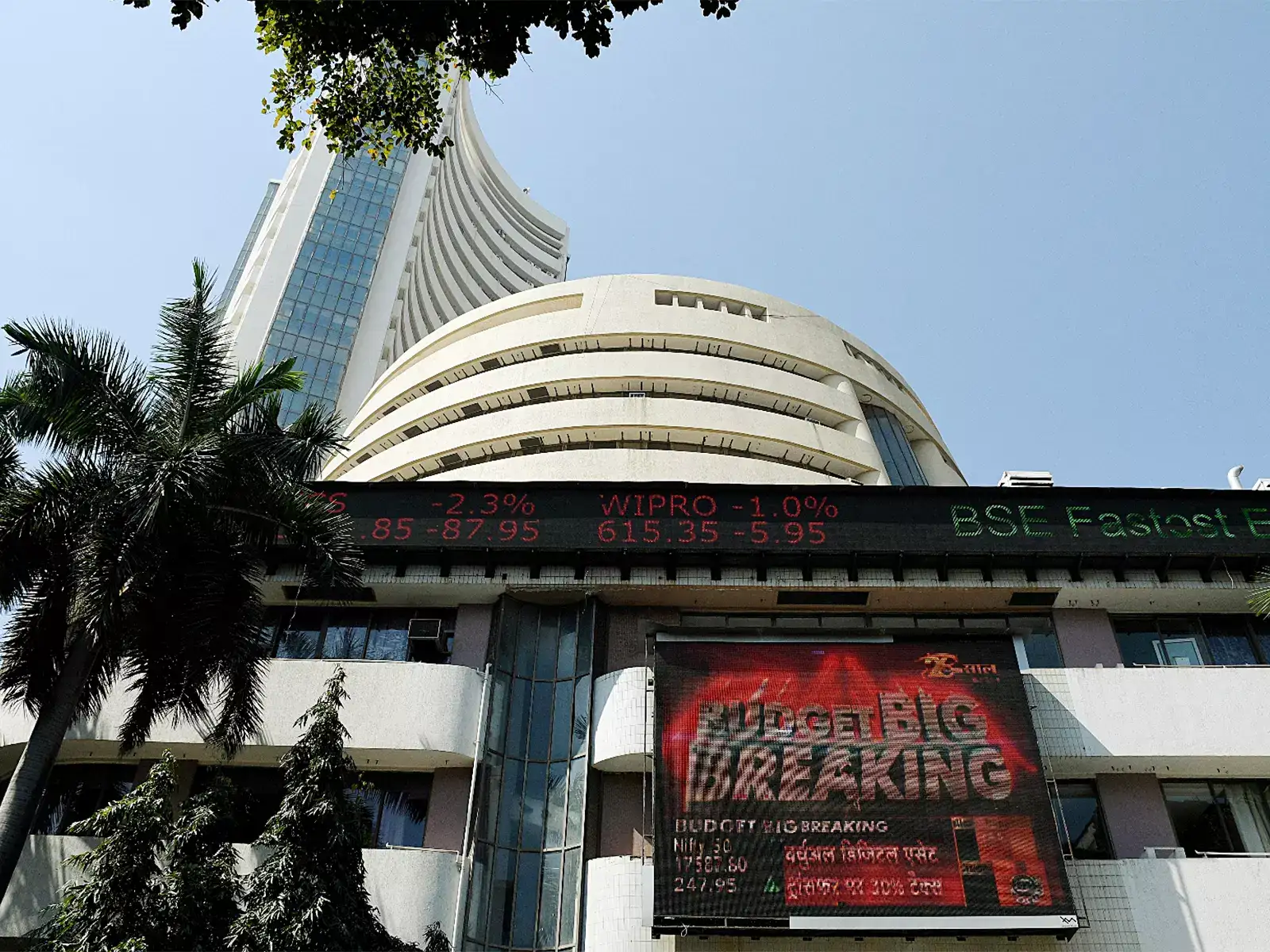


For almost a decade, BSE-Asia's oldest stock exchange-was India's only listed equity exchange. Investors seeking exposure to the country's booming capital markets had just one listed route. That exclusivity helped create a scarcity premium - investors weren't just buying earnings, they were buying the only listed gateway to India's exchange business.
That dynamic is now facing a reset. On June 17, NSE filed its listing papers with market regulator Sebi, and is targeting a listing before January 30 next year. Early estimates put the issue size at close to ₹30,000 crore, based on NSE's unlisted valuation of ₹5 lakh crore. BSE's market capitalisation at Thursday close was ₹1.58 lakh crore.
NSE shares will list exclusively on BSE, since under Indian securities law an exchange cannot list on its own platform-a regulatory symmetry that will hand BSE one of its most consequential listings.
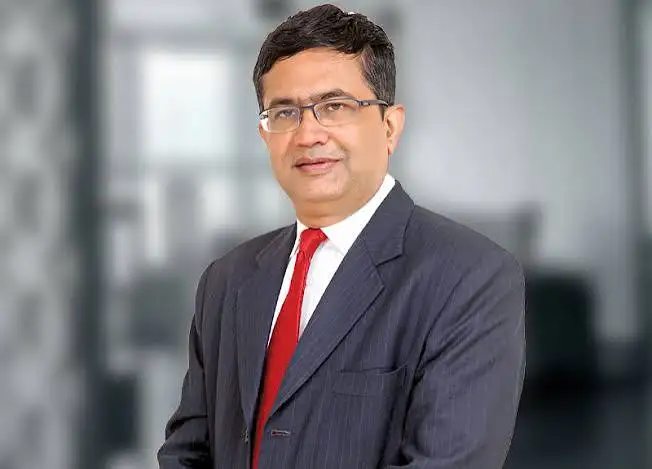
On its part, BSE has framed the move as a positive rather than a threat to its own valuation. "Listing of any eligible institution is a positive development for India's capital markets," said managing director Sundararaman Ramamurthy. "Valuations and stock prices are outcomes of a company's growth prospects and execution, and are best left to the market."
NSE commands 88% of cash-market turnover, 91% of equity futures and options, and 89% of interest-rate futures. In currency derivatives, its share is 74% in futures and effectively 100% in options. Globally, NSE ranks first in equity derivatives contracts traded-with a 51% share-and third in the number of cash-equity trades.
Yet the listing papers also discloses a rare stumble. Total operational revenue declined 3% year-on-year to ₹16,601 crore in FY26, from ₹17,141 crore in FY25. Profit fell 16% to ₹10,302 crore, from ₹12,188 crore in FY25. The exchange attributed the decline to lower transaction charges, softer trading activity, and the impact of Sebi's tightening of the futures and options segment - the very regulations that have reshaped the derivatives landscape across both exchanges.
That creates an unusual valuation setup. NSE is cited at 38x to 43x FY26 price-to-earnings on IPO price band assumptions of ₹1,600 to ₹1,800 per share, compared with BSE trading at 69x FY26 earnings. In other words, the dominant exchange may come to market at a significant discount to its smaller rival-at least on near-term multiples-partly because it is bearing the brunt of the same regulatory changes BSE has so far navigated better.
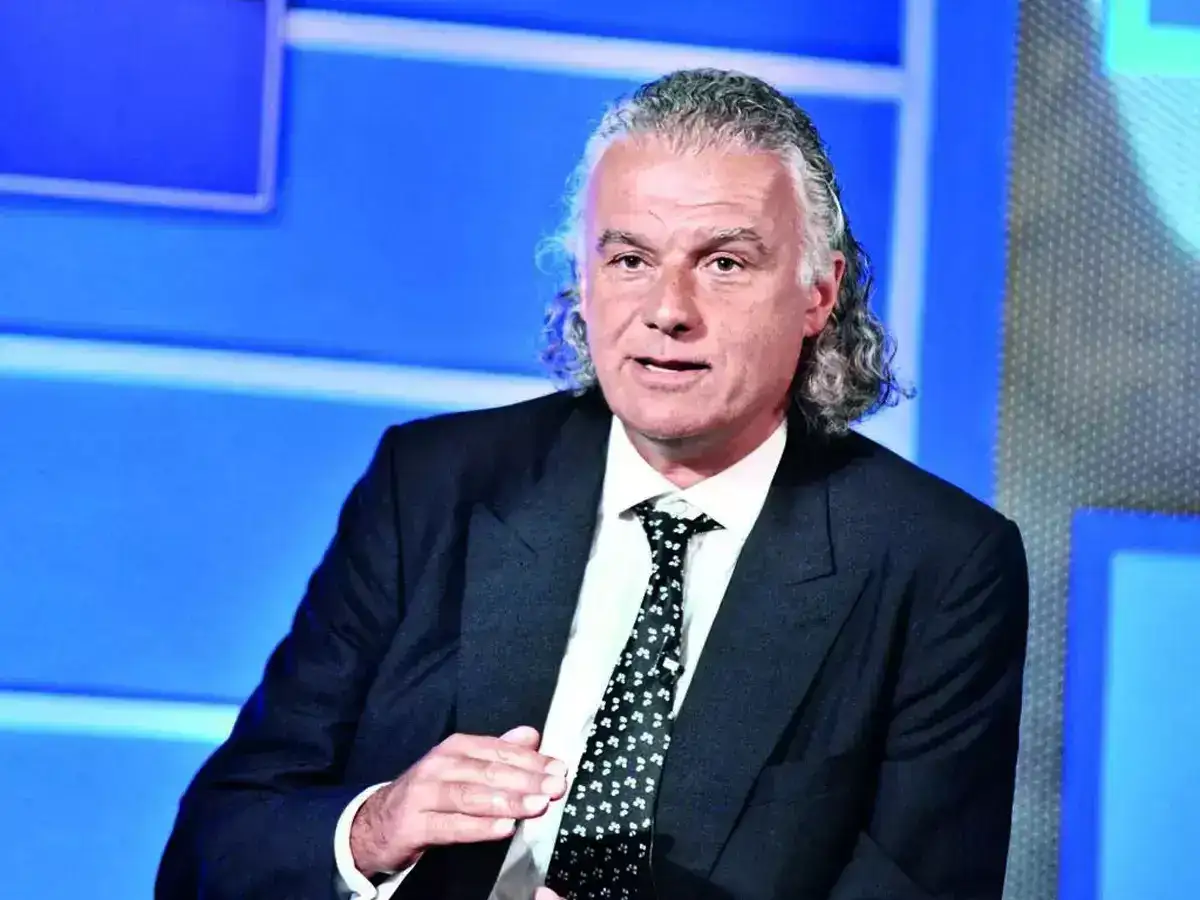
Investors are divided on the new equilibrium. As investor Vijay Kedia says, "Scarcity premium may reduce once NSE gets listed because investors will get an opportunity to own the larger exchange as well, but BSE does not lose its importance."
Pankaj Murarka, CIO at Renaissance Investment Managers, takes a longer view. Exchanges typically command rich valuations due to their oligopolistic structure and high entry barriers, he argues, and both NSE and BSE can sustain strong multiples - though NSE is likely to command a premium given its dominant market share. BSE's trajectory, he said, will depend on whether it can meaningfully gain share in options, futures and cash equities, and expand into new product segments.
A listing of NSE-valued at ₹5 lakh crore-exclusively on BSE could itself prove a fillip. "It may result in enhanced liquidity, business and participation by institutional investors at BSE," said Parmod Kumar Bindlish, a former Sebi official.
The debate arrives at a moment of transformation for BSE. When Ramamurthy took over as MD in January 2023, the exchange reported FY22 revenue of ₹928 crore, profit of ₹254 crore, and a market cap of ₹5,742 crore. By FY26, revenue had risen to ₹5,226 crore-up 41% CAGR-and profit to ₹2,497 crore, an increase of 58% CAGR.
The markets have taken note, with valuation surging more than 20-fold since he took charge.
Ramamurthy attributed the turnaround to "innovation, product development and execution" - reviving the equity derivatives business, acquiring a 50% stake from S&P Dow Jones Indices in the index venture, upgrading mutual fund platforms to handle surging volumes, and stepping up investments in technology and member connectivity.
"When we started, both systems and the culture were somewhat archaic and lacked vibrancy," he said. BSE filled long-standing vacancies, brought in a fresh set of C-suite leaders and hired younger professionals. Some of the changes were basic but necessary, he added, noting that even employee facilities such as a proper cafeteria needed attention.