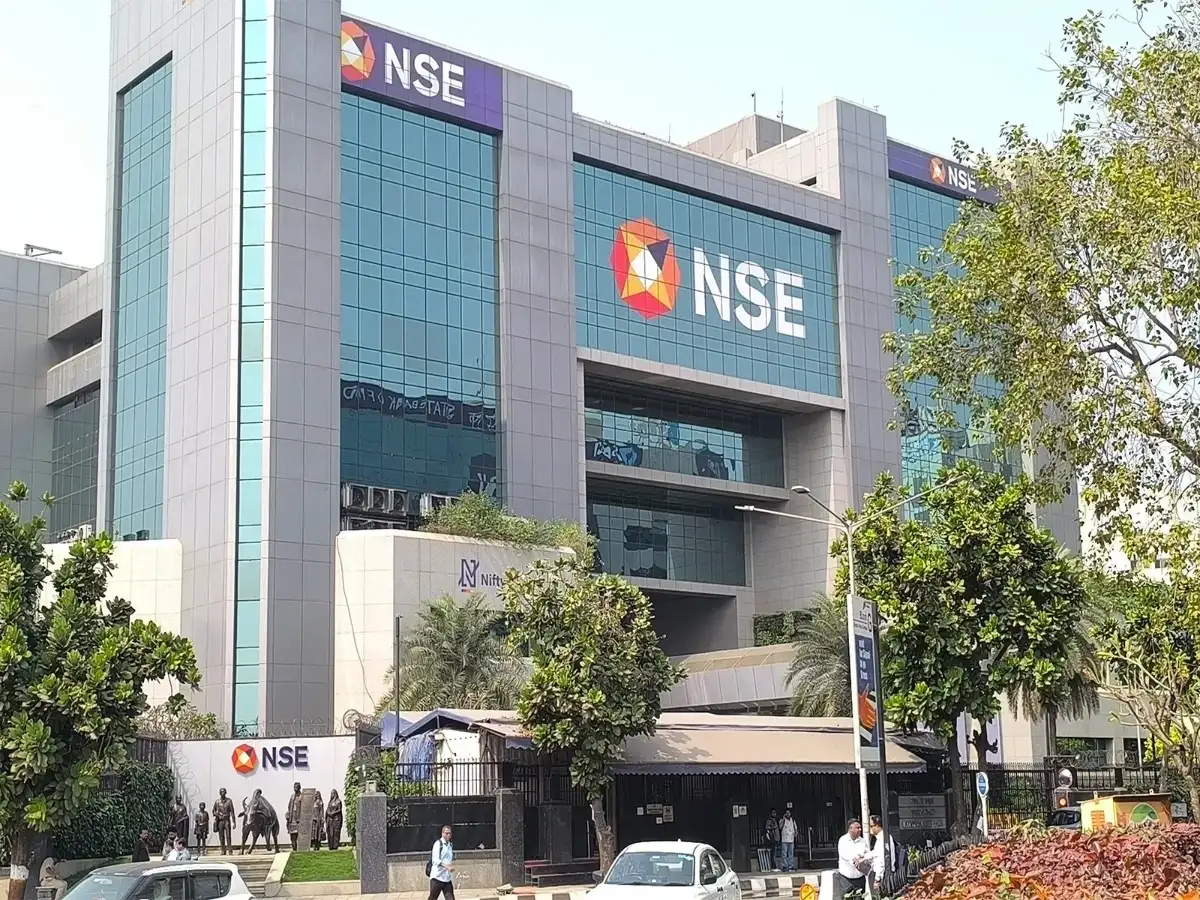
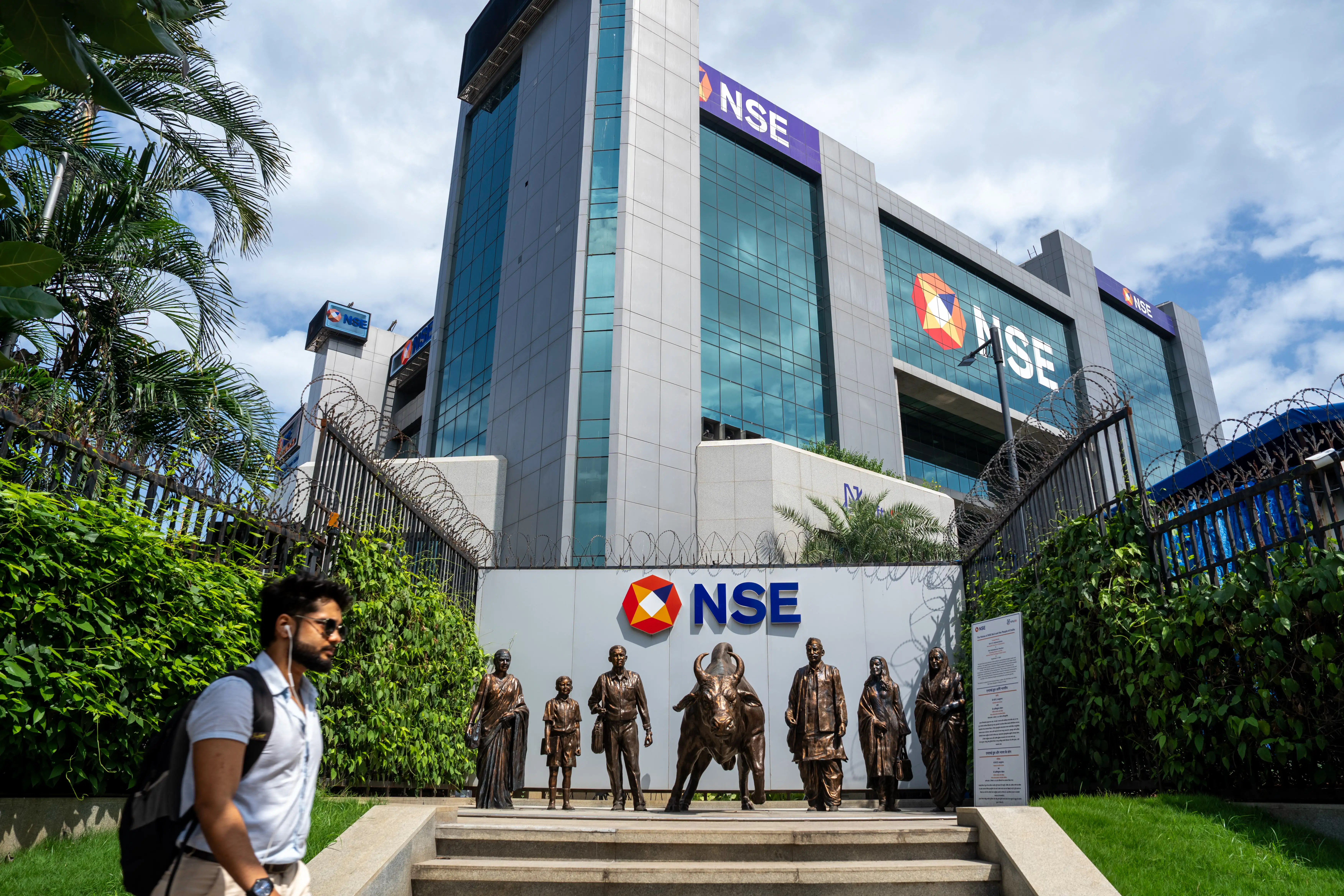
The landmark listing of National Stock Exchange of India Ltd. is set to deliver a major boost to the country’s primary market, but it will be a significant blow to the booming trade in unlisted shares.
The operator of the world’s busiest derivatives market accounted for roughly half of the trading volume in the shadow market, according to an estimate by trading platform UnlistedZone. Its initial public offering threatens to trigger a sharp drop in activity, forcing platforms that facilitate such transactions to find the next big draw.
Read more: AI restraint debate lifts outlook for India tech services stocks
As India set consecutive records in IPO proceeds the last two years, the unlisted market emerged as a venue for wealthy individuals and funds to make bet on companies in the listing pipeline. The booming interest fostered an ecosystem of online platforms and specialist brokers that specialize in connecting buyers and sellers.
NSE had been a linchpin of the growing market because of its scale, profitability, dominant position and disclosures that mirrored listed companies. The presence of smaller listed rival BSE Ltd. gave investors a valuation benchmark, while years of delays in its listing meant an unusually long trading window.
That helped turn a once-niche corner of India’s financial system into a mainstream investment avenue, giving rise to intermediaries that assisted investors with the regulatory approvals, documentation and transfers needed to buy shares.
Read more: Oil Price Today (September 15): Crude oil rises to $107 as Saudi energy infra attacks raise supply fears. What are experts saying?
The exchange had 231,378 shareholders ahead of its IPO, more than several listed companies. That compares with fewer than 80 shareholders it had in 2016, according to its December 2016 draft prospectus. Until last year, NSE made monthly disclosures on share transfers. Its last such release in March 2025 showed nearly 15 billion rupees ($170 million) of shares changing hands during the month.
Staying relevant without NSE may prove more challenging for platforms that have mushroomed over the years. As no issuers currently offer the combination of size, familiarity and liquidity of NSE, they may have to persuade investors to trade smaller companies with typically less financial disclosure and thinner liquidity.
“We expect interest in the unlisted market to remain selective as companies emerge across sectors such as space technology, aerospace, defense, data centers and other new-age industries,” said Rajan Shah, Founder, 3A Capital Services, which operates a platform for dealing in unlisted shares.
Companies attracting market interest include Sterlite Electric Ltd, Indofil Industries Ltd, Krasny Defence Technologies Ltd, Berar Finance Ltd, Kineco Ltd, Indian Potash Ltd and Garuda Aerospace Ltd, he added.
Investing in unlisted shares hasn’t always proved profitable. Investors in some high-profile names, including HDB Financial Services Ltd. and Tata Capital Ltd., suffered losses, while those who bought NSE shares over the past year may also enter the IPO sitting on losses.
“There have also been instances of outsize returns in the unlisted market,” said Umesh Paliwal, co-founder, UnlistedZone. “Ultimately, entry timing and valuations are critical.”