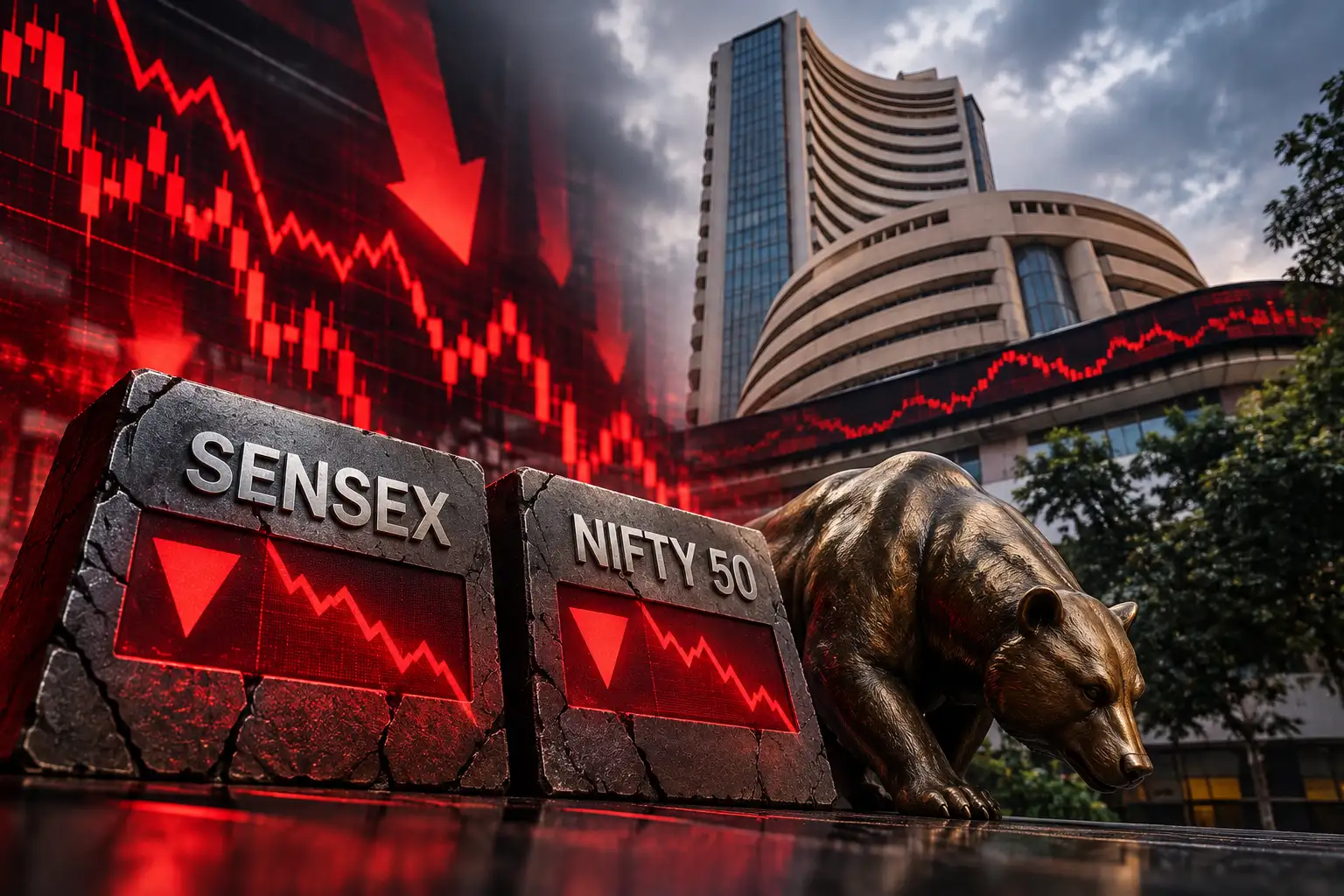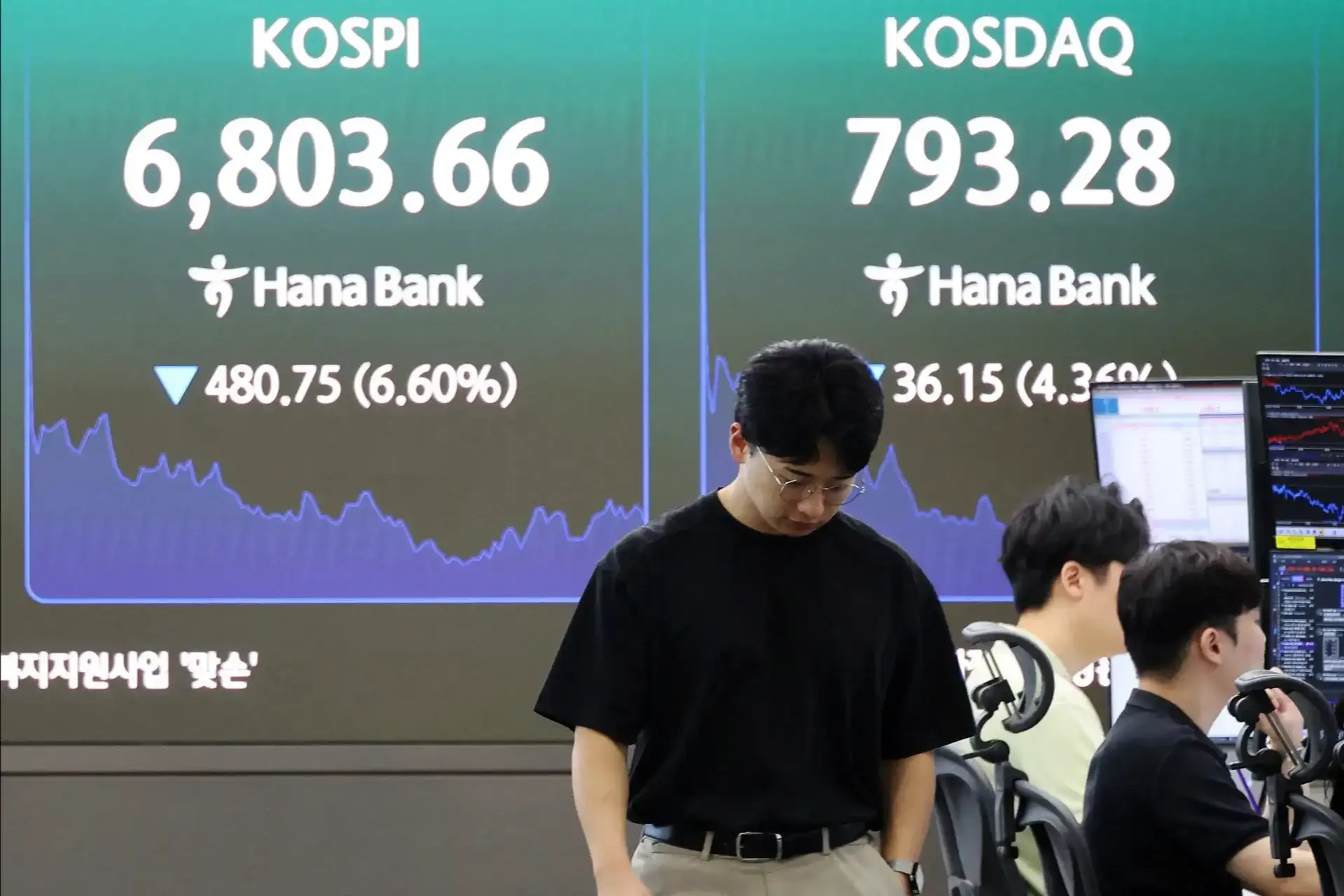

RBI has delivered its first interest rate hike in nearly four years, as anticipated, with investors now turning to the Q2 earnings season for clues on the road ahead for banking stocks.
The Reserve Bank of India’s Monetary Policy Committee raised the repo rate by 25 basis points to 5.50% on Wednesday and shifted its policy stance from ‘Neutral’ to ‘Calibrated tightening’. RBI Governor Sanjay Malhotra said geopolitical developments continued to pose challenges to the global outlook, while the Indian economy remained strong and was expected to stay resilient.
Also read | RBI Repo Rate 2026: Malhotra & Co hike repo rate by 25 bps to 5.50% for first time in nearly 4 years as inflation pressures build
Why banks are seen as the key beneficiaries of rate hikes?
Banks are seen as the first sector to be affected by RBI’s rate decisions. Repo rate is simply the rate at which RBI gives short-term loans to banks. Generally, repo rate hikes lead to an initial increase in net interest margins (NIMs) because of the lead-lag effect in the repricing of advances versus deposits, Siddharth Rajpurohit, Lead Analyst of Banking at Systematix Group pointed out.
The 25 basis point rate hike by RBI was already priced in by the market, according to analysts. "Banks will benefit from the rate hike since rising floating rates will improve their margins," according to VK Vijayakumar, Chief Investment Strategist at Geojit Investments. SBI Securities also said banks are expected to be key beneficiaries of the rate hike cycle, particularly the PVBs, who have 50-60% of their advances linked to repo/external-benchmark.
Vaqarjaved Khan, Senior Fundamental Analyst at Angel One, expects systemic NIMs to compress by 15 to 25 bps over the next two quarters as deposit repricing catches up with asset yields, while the brokerage expects RBI to hike rates to up to 5.75% in FY27.
Also read | RBI hikes rate, but analysts see shift to ‘calibrated tightening’ as bigger takeaway. How can this impact markets?
Jefferies on rate hike impact on banks
Indian banks, especially large private banks, have a higher share of policy-rate-linked loans that reprice over 1-3 months, Jefferies noted. Banks with a higher share of EBLR loans and reasonable domestic LDR could see some positive earnings over the next 3-6 months, it added.
The global investment bank sees private banks like ICICI Bank and Kotak Mahindra Bank, which have higher shares of EBLR loans and manageable LDRs, as among the top beneficiaries. While PSU banks have a lower share of EBLR loans, rate hikes can help them, given their lower LDR, lower baseline ROA, and headwinds from higher ECL provisioning and wage hike negotiations, it added.
Jefferies sees HDFC Bank and Axis Bank as mid-range beneficiaries. While both have a higher share of EBLR-linked loans that can reprice faster, their higher loan-to-deposit ratios and greater reliance on wholesale deposits could moderate the benefit, the brokerage mentioned.
“Smaller private banks and NBFCs have a higher share of fixed-rate or internally benchmarked loans, which do not reprice as quickly,” it added.
What lies ahead for banking stocks?
All eyes will now be on Q2 earnings for the banking space, with focus remaining on margins, which appear to be the only pain point at the moment, while growth holds firm and asset quality continues to remain resilient, said Dnyanada Vaidya, Research Analyst - BFSI, Axis Direct.
Similar trends are visible in the provisional numbers reported by banks. Credit growth has remained strong and is expected to be broad-based. Deposit growth, which was hovering between 11-12% over the last few quarters, has picked up, supported by strong FCNR(B) inflows.
However, near-term margins will continue to see pressure due to excess liquidity and lower-spread lending, the analyst from Axis Direct noted. “Outlook for NIMs turns constructive for H2, with rate hikes reflecting in EBLR-linked portfolios of banks. We believe private banks, especially larger private banks, would be bigger beneficiaries. Asset Quality remains in a sweet spot, with no challenges visible from the prolonged West Asia conflict,” he added.
Stock performance will diverge sharply, with large-cap lenders holding robust CASA franchises above 38% are positioned to sustain 15% RoEs, supporting valuation multiples of 2.1x–2.3x, said Vaqarjaved Khan from Angel One. Conversely, wholesale-funded and mid-tier lenders face a steeper 35–40 bps NIM compression, capping their upside potential until rate trajectories stabilize, he added.
Also read | Why Warren Buffett considers interest rates key to stock valuations
Disclaimer: This article has been written by Debaroti Adhikary, who is not a SEBI-registered Research Analyst or an Investment Adviser. Debaroti Adhikary and his/her ‘relative(s)’ (as defined under Section 2(77) of the Companies Act, 2013) do not hold any financial interest in the companies mentioned in this article as of the date of publication. The views/recommendations mentioned in this article, wherever applicable, are those of the respective SEBI-registered Research Analyst/brokerage and have been reproduced/reported with due attribution. They should not be construed as the views or recommendations of The Economic Times Digital or the journalist. Readers are advised to consider the original research report and make their investment decisions based on their own assessment. Brokerage disclaimers here.