
The Indian rupee could gain to 91.50 against the US dollar if equity inflows remain strong and geopolitical risks stay in check, a top treasury official at the country's largest private bank said.
The Indian currency depreciated sharply till October, declining 8% against the US dollar at the lowest point of the year as foreign investors withdrew from equity markets in Asia's third-largest economy due to high valuations and lack of AI investments.
Higher oil prices added to the pressure, prompting tough measures from the central bank, including a reserve requirement against large hedging transactions.
Markets turned in November, with global investors pumping a monthly record $12 billion into Indian equities.
"I believe 91.50 could be a possibility," said Arup Rakshit, group head for treasury at HDFC Bank in Mumbai in an interview late on Friday, adding that he sees the currency trading in a range of 91.50 to 93.50 in the near term.
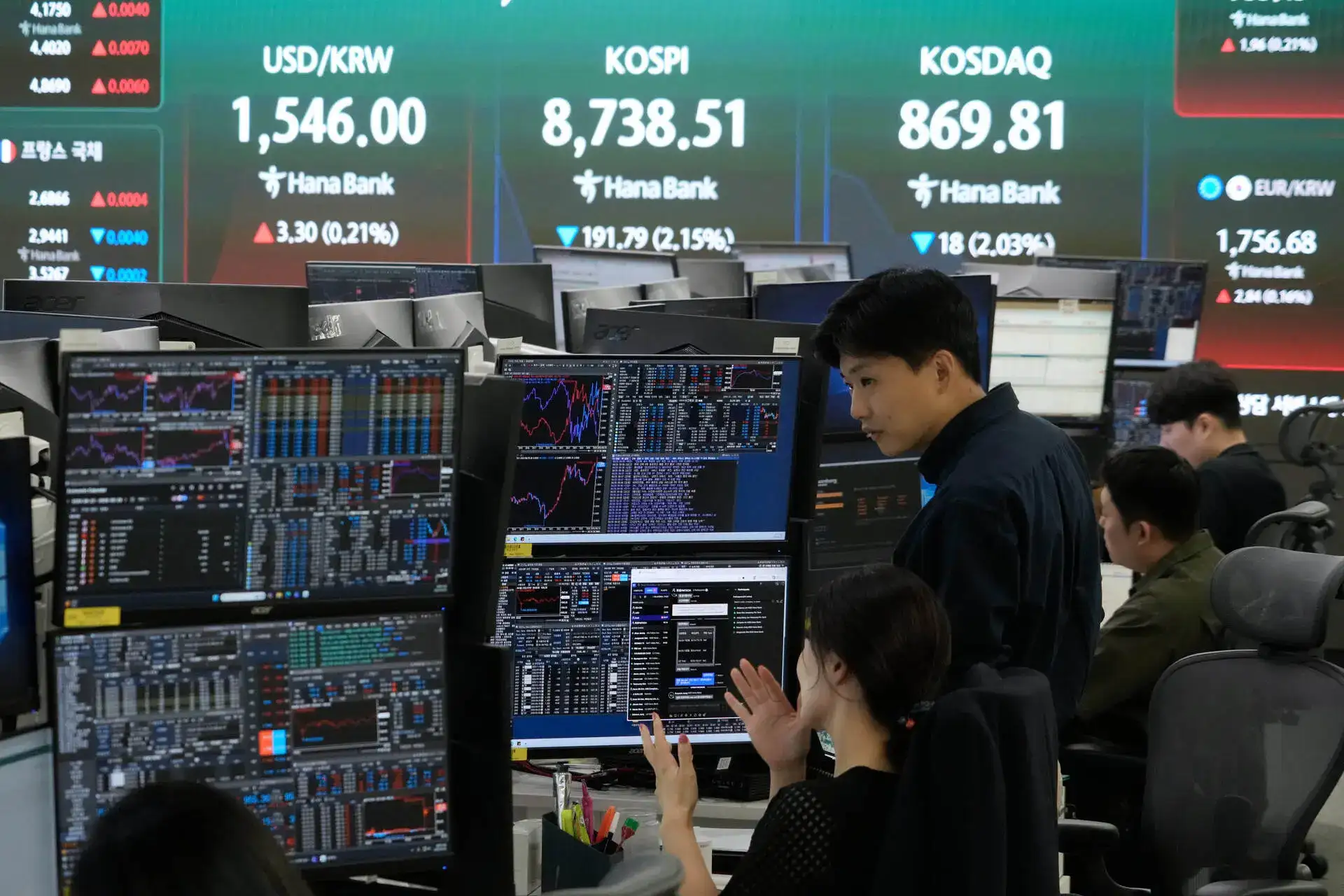
On Friday, the rupee closed at 92.67 to the dollar.
The rupee has gained nearly 2.5% in November, turning sentiment in the offshore non-deliverable forwards market and prompting exporters to sell dollars, Rakshit said.
Additional dollar demand brought on by the Reserve Bank of India's decision to impose a 20% foreign exchange risk reserve on large hedging transactions has also eased, he added.
"When the Reserve Bank of India introduced a foreign exchange risk reserve there was some additional dollar demand that came in from importers as absolute hedged import rates were lower, since the INR had immediately appreciated," Rakshit said.
"That demand is now reducing as the import cycle is typically 90 days and nearly half of that is over," he said, adding that importers are hedging less as the rupee strengthens and oil prices fall.
A 50 Basis Point Hike?
While pressure on the currency has eased, inflation has breached the central bank's upper tolerance limit of 6%, prompting a few analysts to expect a 50 basis point hike at its December meeting.
Rakshit does not rule this out.
"I think the repo rate will settle somewhere between 6.25-6.5%. A 25 basis point hike in December is more or less given. There is a section of the market which is thinking it could be a 50 basis point hike and I would lean on that side," he said.
Retail inflation rose to 6.09% in October and wholesale inflation rose to 12.3%.
Higher wholesale prices have yet to fully pass through into retail prices, Rakshit said, adding that food prices are also starting to rise.
This will prompt the central bank to raise rates and keep liquidity tight at 0.6% to 1% of banking system deposits, he said.
Bond yields would also rise, but not sharply, he said.
"Immediately, I would put the top for the 10-year at about 7.40% and then moving up to 7.50% to 7.60 levels max. I don't see it going beyond that," he said.