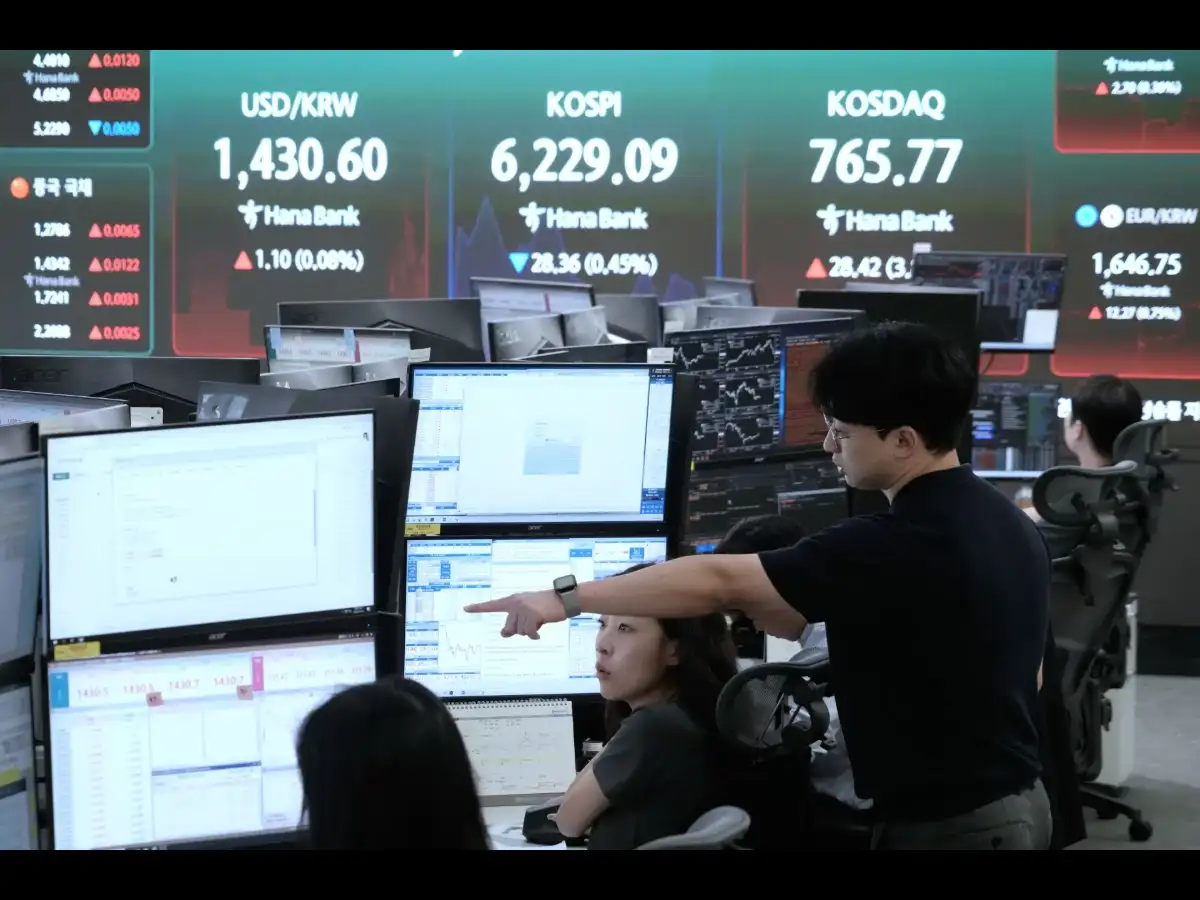

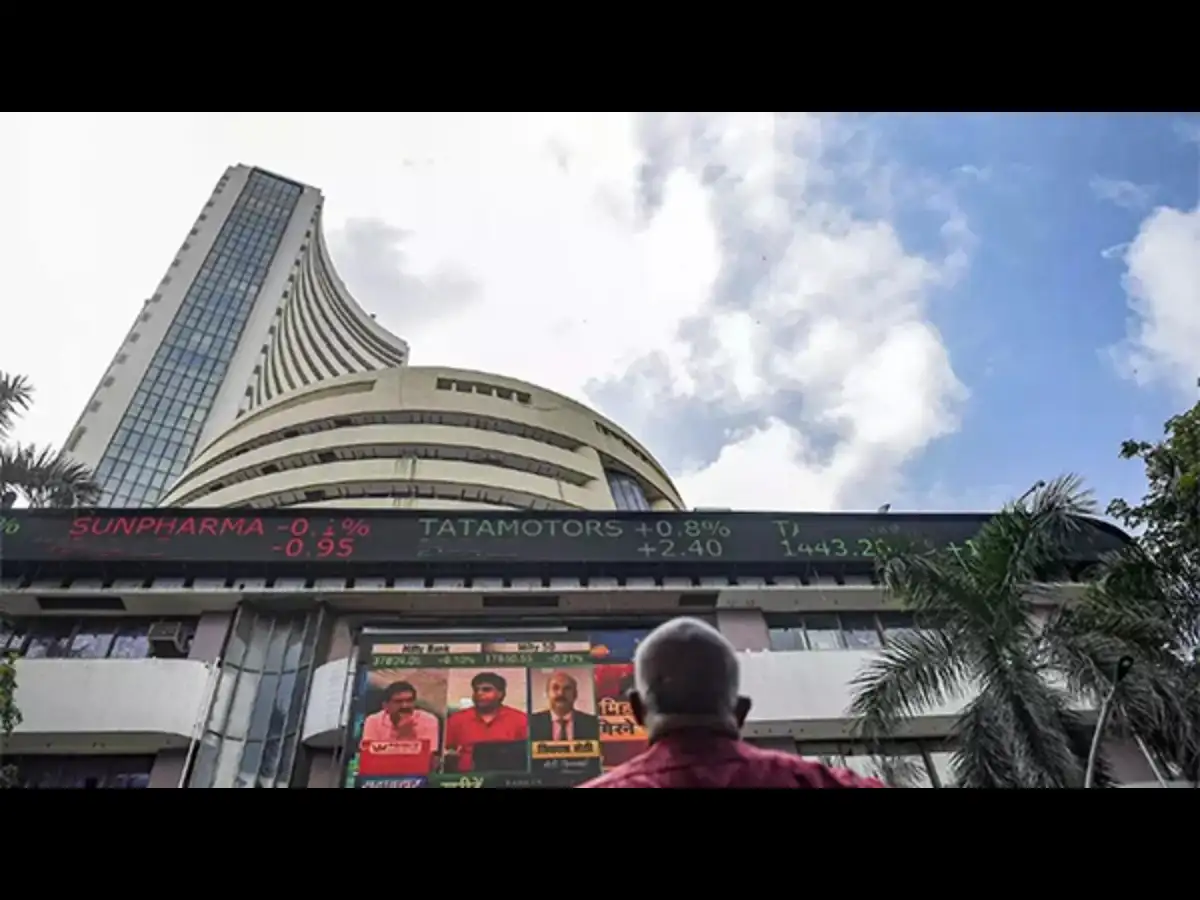
The Indian stock market traded mixed on Tuesday, with the Sensex rising while the Nifty 50 slipped into the red. The cautious start followed a sharp late-session surge in the NSE benchmark during the final few minutes of the previous session, after the introduction of the new Closing Auction Session (CAS) framework raised concerns over heightened volatility.
The Sensex rose over 200 points to trade above 78,800, while the Nifty 50 dropped over 150 points, to slip near the 24,600 level. Broader markets also remained mixed, with the Nifty Midcap 100 in the red and the Nifty Smallcap 100 Index in the green.
Asian Paints, Bajaj Finance, Kotak Mahindra Bank, Adani Ports, Bajaj Finserv, Tata Steel, Trent, Axis Bank, Power Grid and Bharti Airtel shares gained around 1% each to lead the gainers on the Sensex, while HUL and Infosys fell around 1% to lead losses.
All sectoral indices on the NSE traded in the red, with Nifty Realty tumbling 1.5% to lead losses. The overall market breadth, however, slightly favoured the bulls, with the NSE seeing 1,389 advances and 1,098 declines, while 121 stocks remained unchanged.
What’s behind the mixed opening for Sensex and Nifty?
While the Sensex's rise remains supported by easing Iran-US uncertainties, positive global cues and other factors, the Nifty's sharp decline comes after the index jumped nearly 200 points in just two minutes on Monday, as traders adjusted to India's new closing auction system for large stocks. At 3.28 pm on Monday, the Nifty was trading at 24,573, before sharply surging to 24,774 to close nearly 1.6% higher at 3.30 pm.
Under the newly launched CAS, continuous trading in eligible stocks ends at 3.15 pm, before the market shifts into a 20-minute auction that sets the official closing level. On its first day of launch, the auction drew strong participation, with 515 trading members placing orders for 56,773 unique PANs, surpassing the long-established pre-open session, the NSE said.
The new system is likely to amplify late-session swings by making closing prices more sensitive to large institutional flows, aggressive buying, short-covering and repositioning in heavyweight stocks, Reuters quoted Hariselvan Radhakrishnan, founder and chief executive of HST Wealth, as saying.
The sharp spurt in the Nifty yesterday, caused primarily by the new Closing Auction Session (CAS) for determining the closing prices of stocks in the F&O segment, is expected to normalise today, said VK Vijayakumar, Chief Investment Strategist at Geojit Investments. He explained that the sharp spike in the Nifty vis-à-vis the Sensex was an aberration caused by the new CAS, and therefore, investors need not attach much importance to this one-day aberration.
What lies ahead for Dalal Street?
From the investor’s perspective, the significant trend is the positive development emerging in the economy and markets, according to Vijayakumar. "Growth momentum in the economy is strong as evidenced by the impressive credit growth, sustained growth in auto numbers and improved GST collections. From the market perspective, the significant positive is the return of FIIs to the Indian market," he said.
FIIs have been buyers in the cash segment during the last five days and consequently this has triggered sharp short-covering, according to the analyst, who added that in the near-term, the market is likely to rally further led by the large-caps.
With the Nifty having come close to the upside objective of 24,800, Anand James, Chief Market Strategist at Geojit Investments, had expected a consolidation today. According to him, dips to 24,500 may find buying interest, but he did not have an upside objective for the day.
Downsides will have to break 24,300 to be dominant again, the analyst cautioned.