ETMarkets Smart Talk| ‘Desi to Videsi’: How GIFT City is changing the way Indians invest globally — Mustafa Pardiwala



Transformations in the global economy are reshaping how investors allocate capital and devise strategies. Geopolitical conflicts and tech rivalries are challenging conventional wisdom, leading to heightened interest in...

With the Fed entering a tightening cycle, India faces a tougher monetary policy trade-off as the rupee remains under pressure and inflation shows signs of broadening. Ankita Pathak of Ionic Asset says RBI’s policy flexi...

In a significant move for India's market, Sebi has greenlit IPOs for Carlsberg's local entity, TMC Transformers, Ujin Pharma, and Matangi Rubber. TMC Transformers aims to raise Rs 550 crores via new equity to establish...
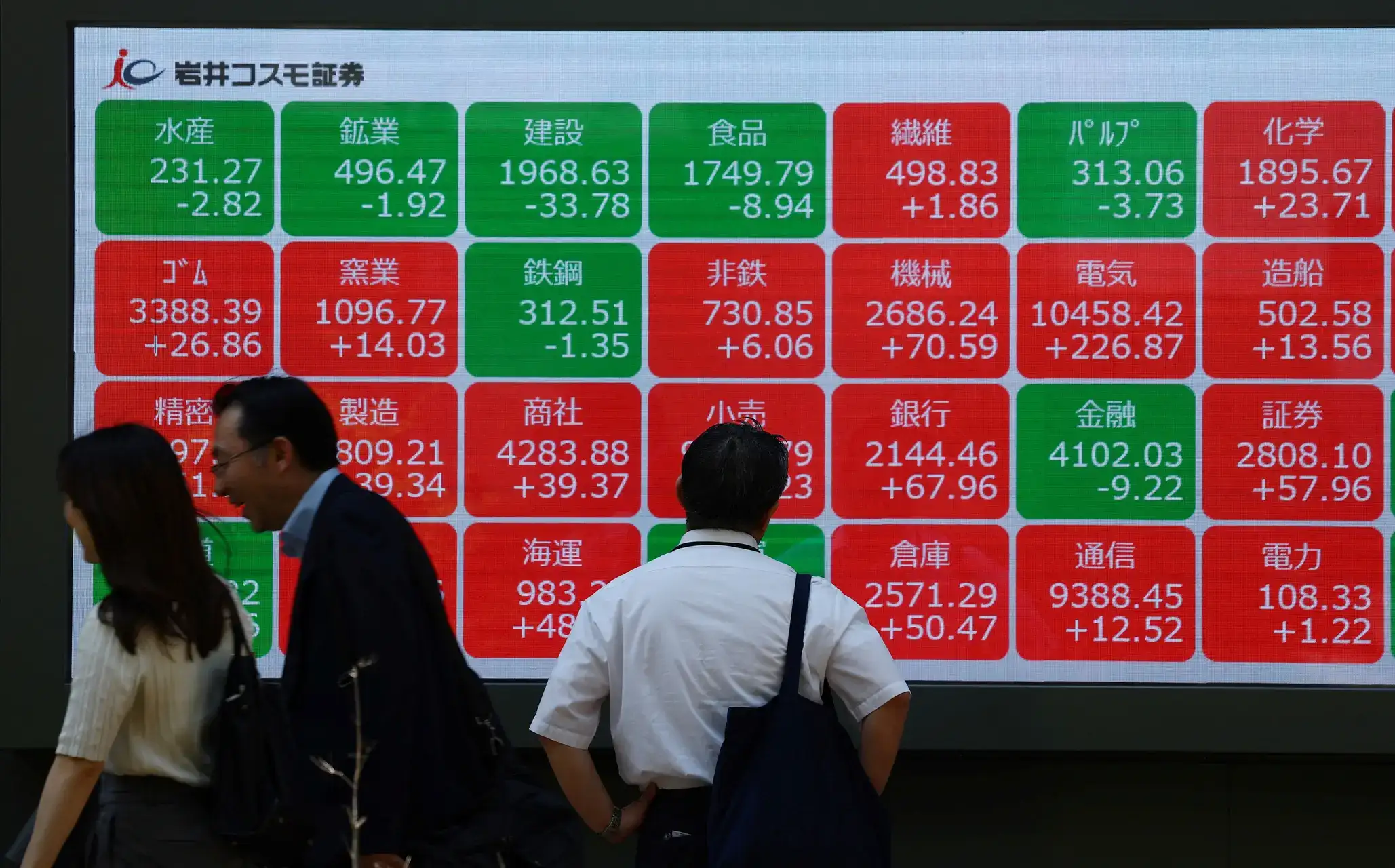
Japanese rubber futures saw a minor decline amid a slight pullback in Tokyo equities, yet they continue to show prospects for growth. The Osaka Exchange's rubber contract dropped due to concerns over interest rates and...

Hospital stocks extended losses amid regulatory scrutiny over cancer-drug markups and pharmacy practices. Despite the selloff, Jefferies maintained Buy ratings on six healthcare companies, citing target-price upside ran...

The Sensex and Nifty have fallen for eight straight weeks, wiping out more than Rs 26 lakh crore in market capitalisation. While elevated oil prices have pressured equities, soaring bond yields, foreign outflows, a stro...

Nifty valuations have reset sharply from 2024 levels and are now near post-Covid lows, says Alchemy Capital’s Alok Agarwal. He sees the next phase of market growth broadening beyond large caps. Mid- and small-caps, AI i...
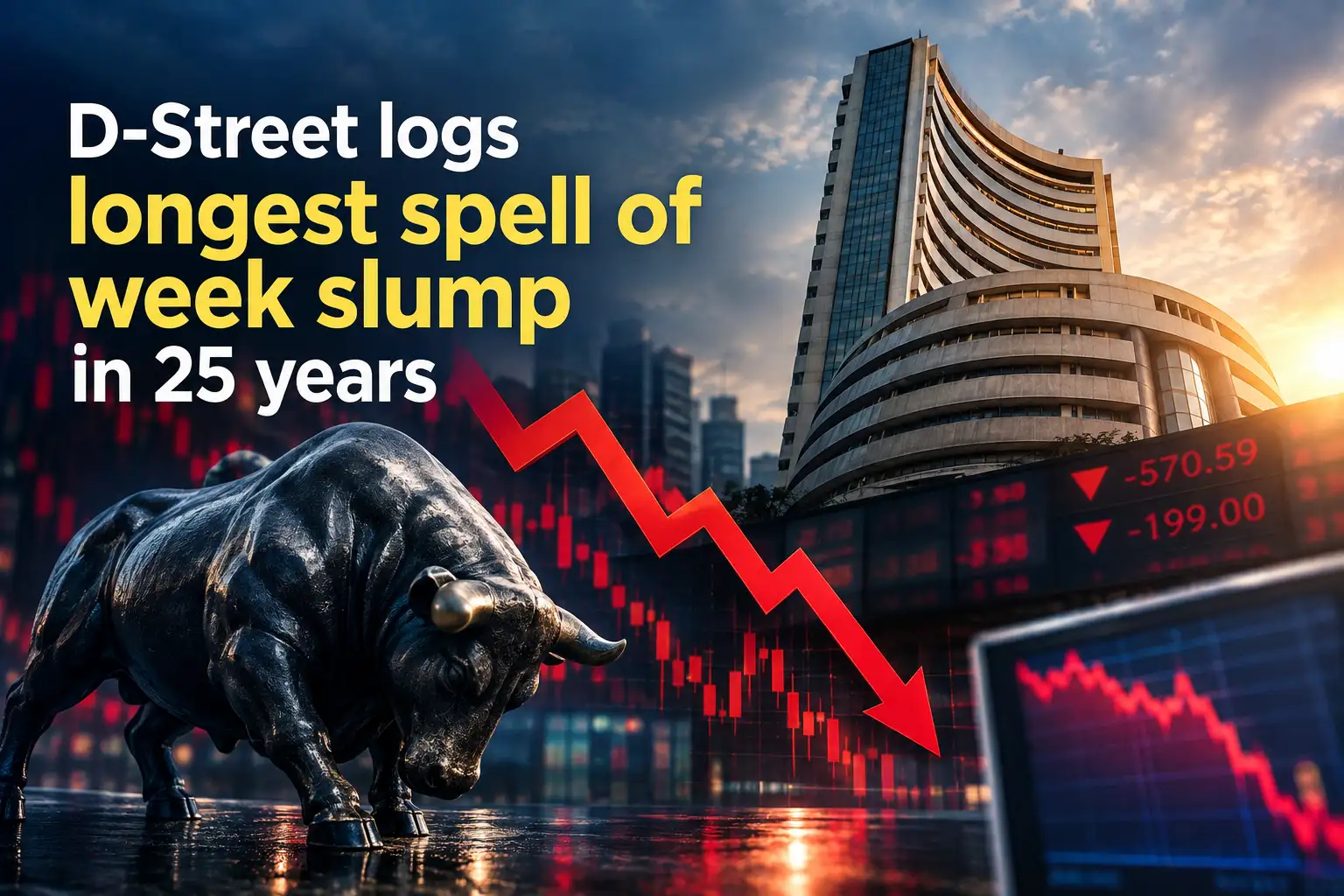
Indian equity markets faced significant pressure as US bond yields surged, leading to a record selloff. The Sensex and Nifty experienced prolonged declines, surpassing previous downturns witnessed during the Covid pande...

Sri Lotus Developers & Realty has seen a remarkable 29% increase in shares, significantly outpacing the wider market. This boost is attributed to the anticipation surrounding their luxury initiatives and redevelopment p...
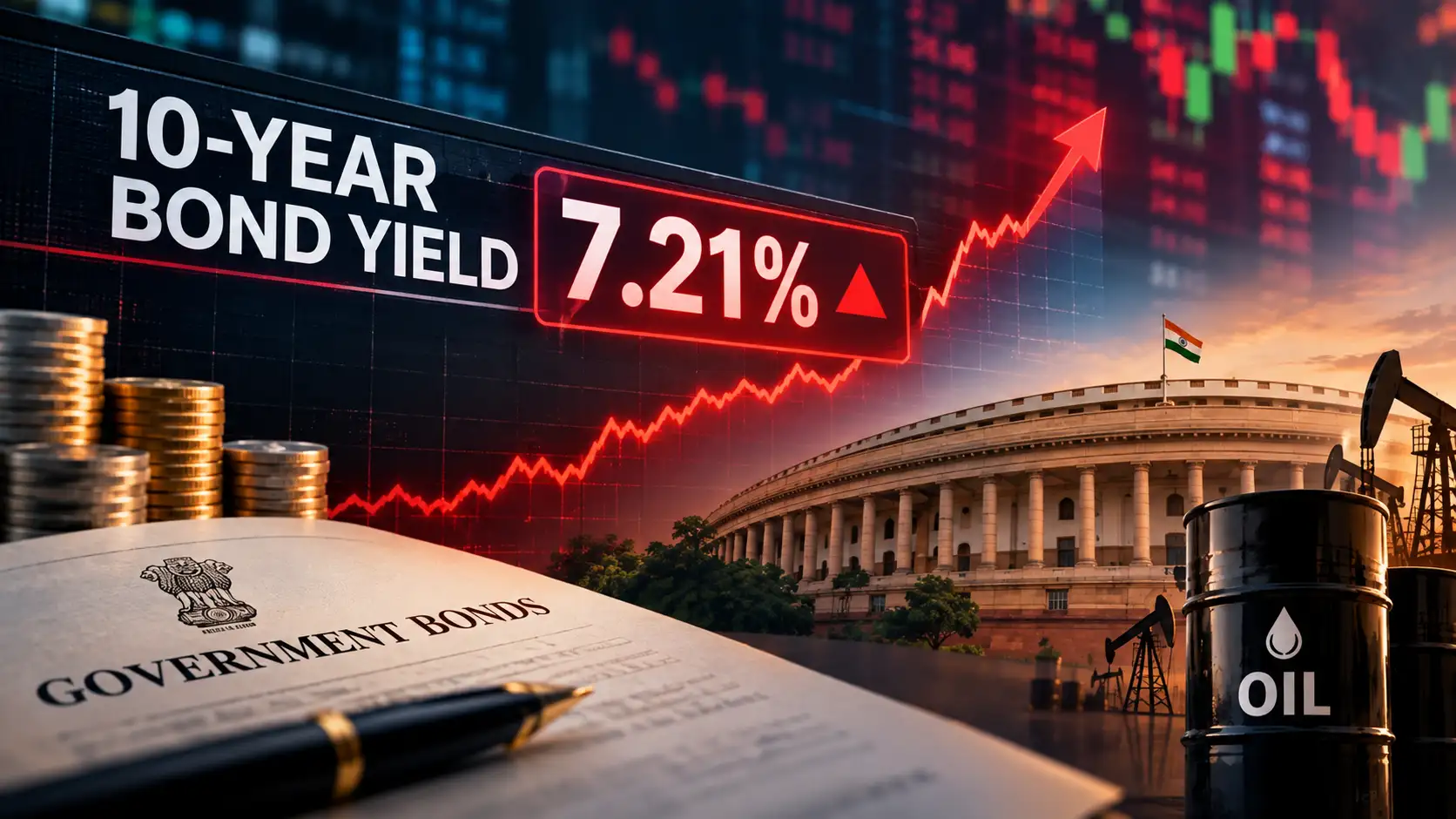
India's 10-year benchmark bond yields have surged to 7.21%, reaching their highest point in two and a half years. With oil prices continuing to soar and an anticipated rate hike, analysts predict these yields could esca...

Asian stock markets dipped as investors navigated through the turbulence of bond and currency fluctuations. Elevated oil prices, driven by military strains in the Gulf region, added to the market's unease. Speculations...

Japanese government bond yields saw a significant drop on Friday, as the 10-year yield fell to levels not recorded since mid-September. Global bond markets stabilizing and shifts in central bank policies played a key ro...