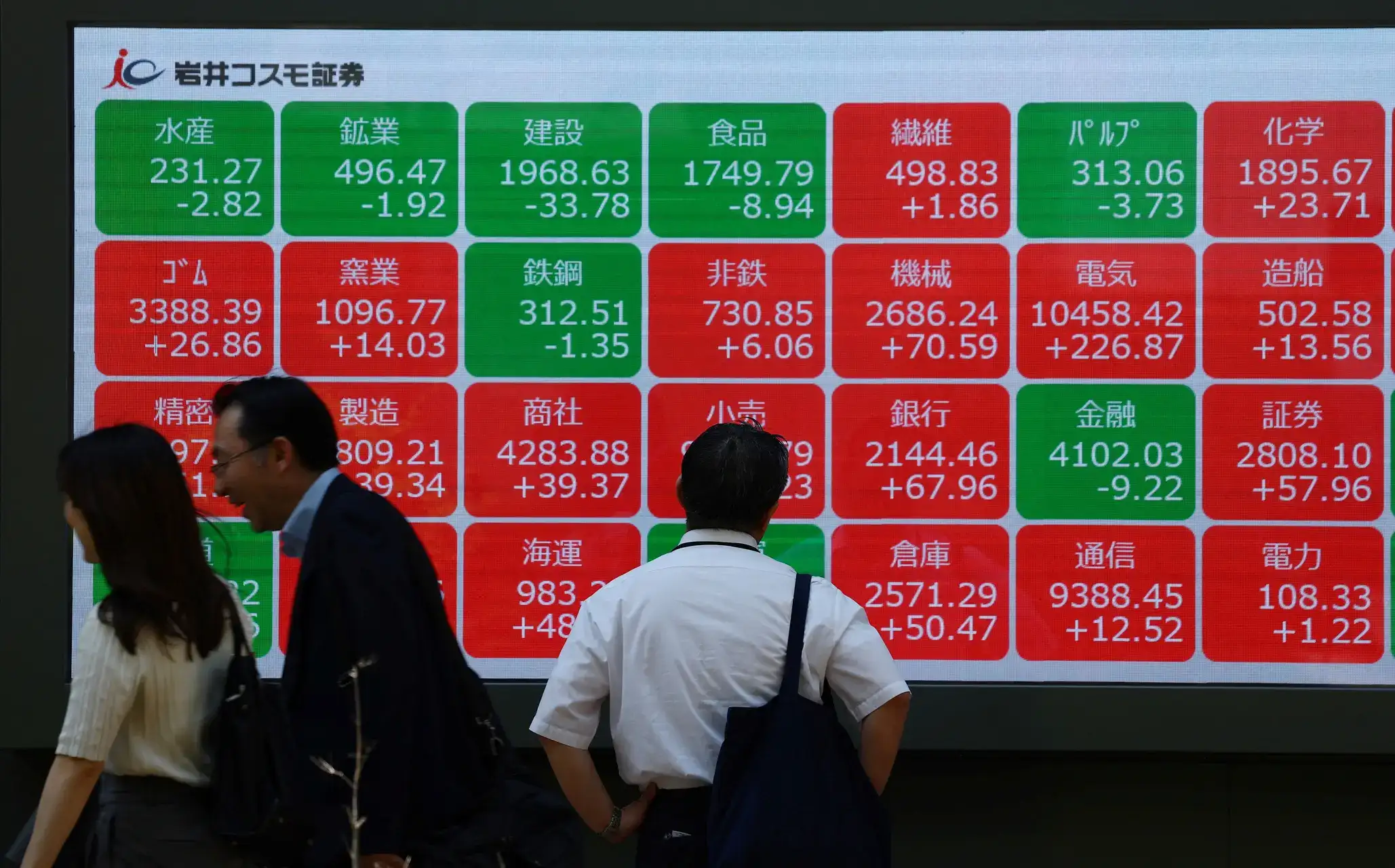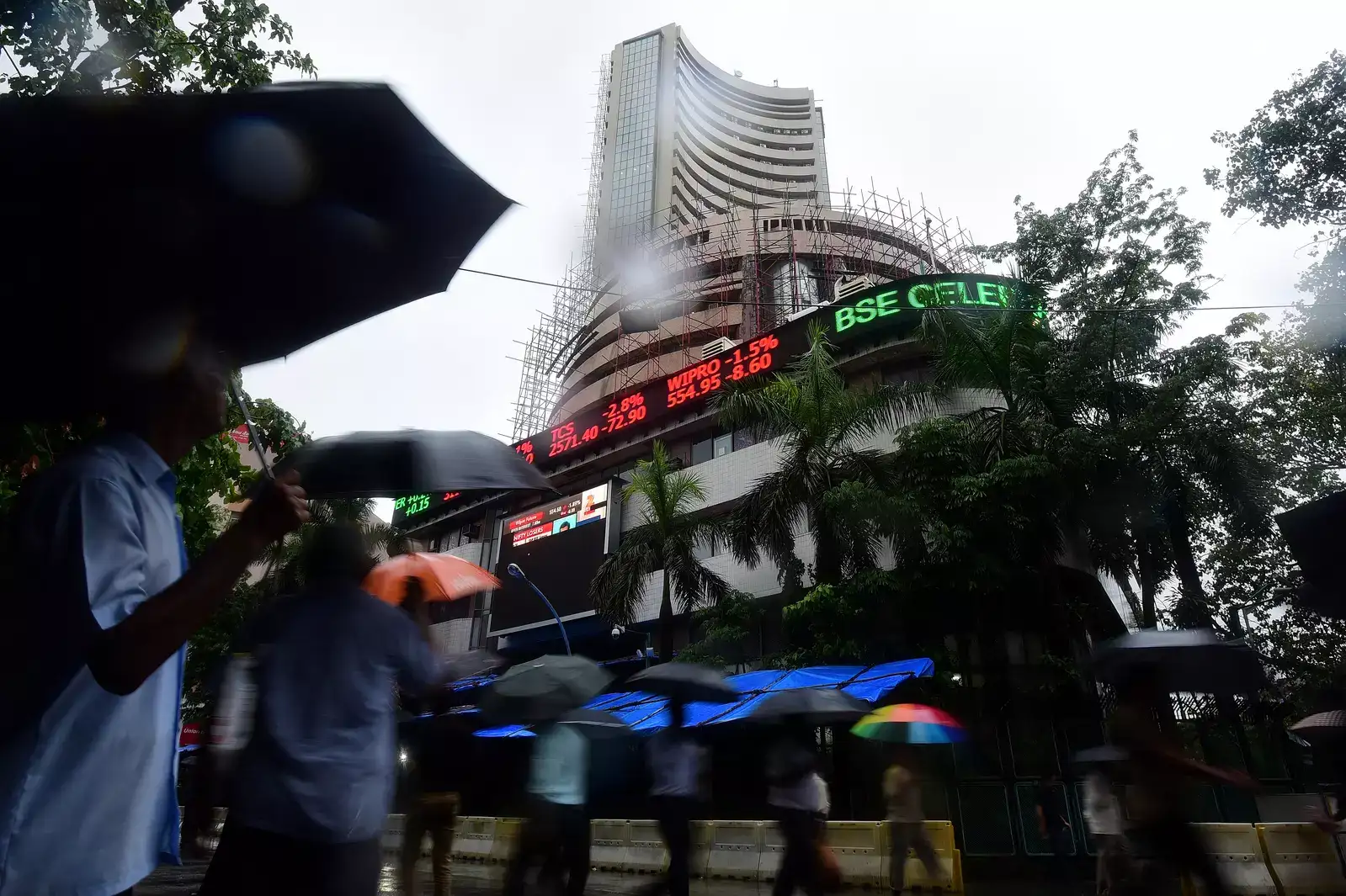

The Indian stock market plunged sharply on Thursday, with Sensex and Nifty tumbling over 1% each as massive FII outflows, soaring bond yields and other factors spooked investors for the fourth consecutive session.
Sensex dropped over 800 points to fall below 71,700, while Nifty 50 dropped over 250 points to drop below 22,350. The sharp selloff wiped off nearly Rs 8 lakh crore from the total market capitalisation of all companies listed on BSE, dragging it down below Rs 472 lakh crore.
M&M, Maruti Suzuki, Tata Steel, Adani Ports, UltraTech Cements, ITC, HUL and BEL shares plunged 3-4% to lead losses on Sensex. Trent, L&T, Power Grid, Bajaj Finance, Eternal and Titan shares dropped over 2% each. Bucking the trend, HDFC Bank and Kotak Mahindra Bank shares were up nearly 1% each.
Broader markets plunged deeper, with Nifty Midcap 100 and Nifty Smallcap 100 indices crashing nearly 2% each. This came as India VIX, which measures volatility in the market, spiked over 12% to 15.15 as the selloff intensified in the afternoon.
Among the sectors, Nifty Auto crashed more than 4% to lead losses, while Nifty Metal, Nifty Realty, Nifty Consumer Durables, Nifty Metal and several others plunged 2-3%. The overall market breadth turned sharply negative, with NSE seeing 594 advances against 2,789 declines, with 99 stocks remaining unchanged.
Here are the key factors behind the bear attack on Dalal Street today:
Foreign investors net sold a massive amount of Indian equities worth Rs 10,148 crore in just one session on Wednesday, according to provisional data on NSE. A similar quantum of selling was seen in the day before, when FIIs sold Rs 10,743 crore worth of Indian equities on Tuesday.
This takes the total FII selloff this week till Wednesday to a whopping Rs 26,000 crore. Such massive FII selling sharply dampens investor sentiment. “We do not believe FIIs will return in large numbers even after the AI trade peaks,” Bernstein said, adding that a structural revival would require India to create “new engines of competitiveness, innovation, and global relevance.”
Bond yields continued to soar further as the bond selloff intensified. The benchmark 10-year Treasury yield rose as high as 5.31%, its highest level since 2007, after having climbed more than 87 basis points during the September quarter to mark its biggest quarterly increase since 1994, according to LSEG data cited by Reuters.
The 30-year Treasury yield also climbed above 5.65%, reaching its highest level since 2002. Soaring bond yields typically make debt markets more attractive to investors, which in turn puts pressure on the riskier equity markets. Bond yields move inversely to bond prices, so the soaring yields reflect a sharp selloff in bonds.
Rupee dropped as the dollar index hit a more than three-month high on rising U.S. Treasury yields, while likely central bank intervention limited losses. The Indian currency fell 0.16% to 95.9850 per dollar, staying above 96 as state-run banks sold dollars, likely on behalf of the RBI, Reuters reported.
“The rupee is expected to remain in the 95.60–96.20 range, with the broader bias remaining cautious,” said Jateen Trivedi, VP Research Analyst of Commodity and Currency, LKP Securities.