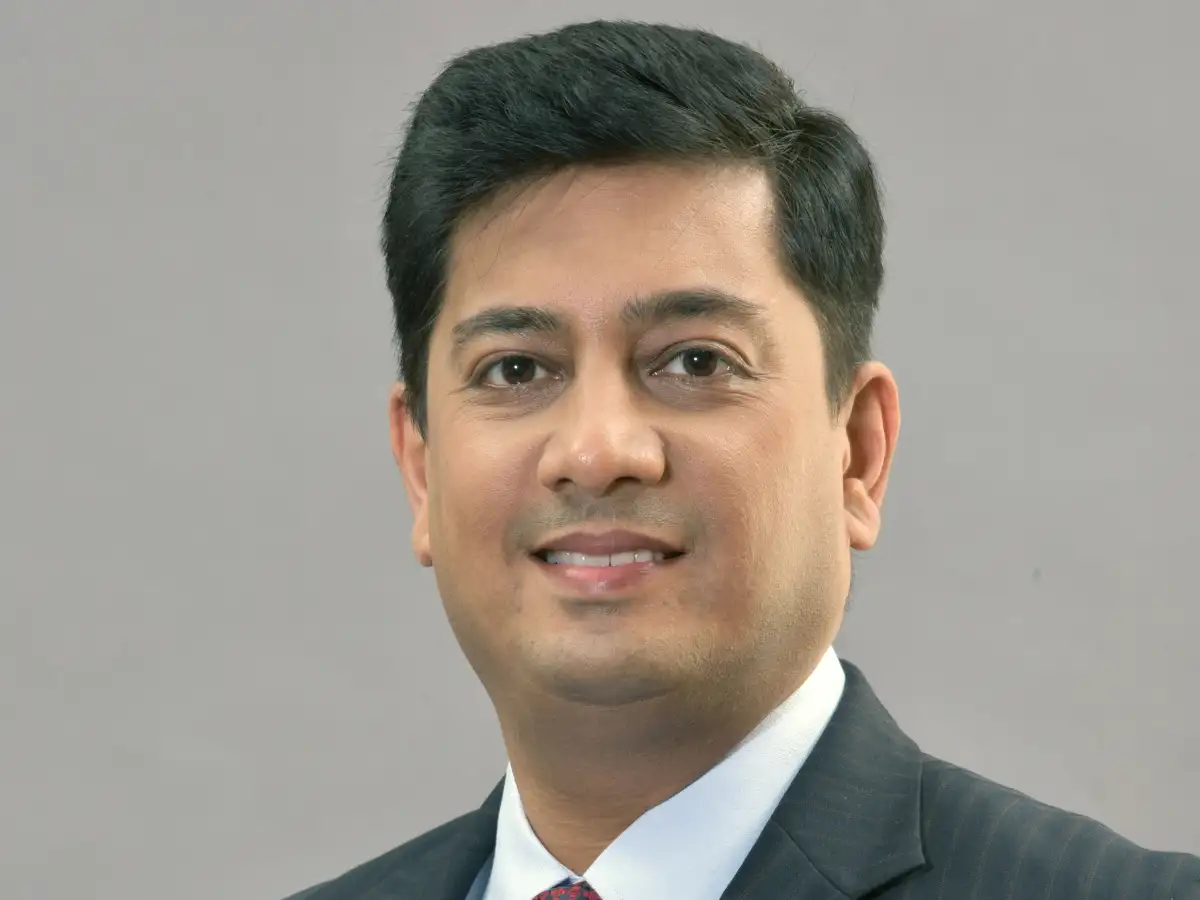
India’s latest earnings season has largely met market expectations, with most companies in the Nifty 100 delivering healthy profit growth despite persistent global and domestic challenges. According to Deven Choksey, MD, DRChoksey FinServ Pvt. Ltd, the bigger positive emerging from the quarter was not just the earnings performance, but the confidence companies displayed while discussing future business prospects.
Speaking to ET Now, Choksey said the overall earnings season remained “pretty satisfactory,” especially considering the difficult operating environment during April and May. Rising logistics costs, elevated fuel prices, and input inflation continued to weigh on businesses, but many companies still maintained an optimistic outlook on execution and growth.
“Most of the companies have talked about steady to higher execution of the business which they have undertaken,” Choksey said. He added that sectors linked to manufacturing, infrastructure, and power utilities have shown resilience despite pressure on profitability.
While he acknowledged that profit margins may remain under stress in the coming quarters, Choksey believes the broader business environment continues to remain stable. He also pointed out that any favourable geopolitical outcome related to ongoing global conflicts could improve market sentiment further.
“I would typically think that this is the time — the first half of the current financial year should be the period in which investors should gradually accumulate some good-quality stocks that are delivering earnings as well as showing better promises,” he said.
Footwear Stocks Rally After Strong Numbers
The earnings season also saw renewed investor interest in footwear and retail-related companies. Stocks such as Campus Activewear and Metro Brands witnessed strong traction after posting robust quarterly numbers. Relaxo Footwear also reported earnings, while Bata India’s performance remained comparatively softer.
However, Choksey sounded cautious on the sector from a near-term investment perspective. He said rising input costs could create challenges for price-sensitive businesses, making stock selection critical.
“I do not know whether everyone is safe in this kind of environment, particularly price-sensitive businesses,” he said. “Unless the valuations are compelling, one should not rush immediately.”
He added that while he does not currently track some of the companies closely enough to offer stock-specific recommendations, many of them appear fairly priced at present levels.
Tata Technologies, Bajaj Housing Finance Stand Out
Among the companies that impressed him this earnings season, Choksey highlighted Tata Technologies and Bajaj Housing Finance as standout performers.
According to him, Tata Technologies delivered not only a strong set of quarterly numbers but also encouraging guidance for the future. He noted that the company has absorbed cost pressures seen over the past several quarters and is now entering a stronger growth phase, aided by its joint venture with BMW.
Choksey believes Tata Technologies is structurally well-positioned because of its focus on transportation-related engineering services, particularly in automobiles and aviation.
“In both these segments, the kind of services that they provide along with embedded software gives them a much stronger long-term outlook,” he said.
He also expressed optimism about Bajaj Housing Finance, despite the company maintaining a conservative lending approach. Choksey pointed out that while the broader industry is witnessing single-digit growth, Bajaj Housing Finance continues to deliver double-digit growth on an asset book of nearly ₹1.5 lakh crore.
“We like this company from a long-term investment perspective,” he added.
AI Turning Into an Opportunity for IT Firms
On the technology front, Choksey dismissed concerns that artificial intelligence could become a threat to Indian IT companies. Instead, he sees AI emerging as a major growth enabler for the sector.
He explained that global corporations are currently investing heavily in AI infrastructure, including data centres and large language models. At the same time, Indian IT firms — both mid-tier and large-cap players — are benefiting from the adoption of AI-led tools and services.
“AI has become an enabler for them,” Choksey said. “They have significantly reduced the time required to provide solutions to customers, while also saving costs because coding and several other processes are now AI-enabled.”
According to him, this shift is already improving profitability for IT firms and could become even more meaningful as large global companies accelerate their digital transformation journeys.
He added that Indian IT service providers are likely to witness larger order inflows in the coming years as enterprises increasingly adopt AI-driven systems and infrastructure.
“We remain selectively bullish and optimistic about the prospects going forward for select companies,” he said.
Margin Expansion Becoming a Bigger Focus
Choksey also believes investors are beginning to shift their focus away from revenue growth alone and are paying greater attention to EBITDA margins and profitability trends in IT companies.
He said the business model itself is undergoing a transition, with companies moving away from traditional time-and-effort billing structures toward outcome-based contracts.
“Front-ended costs, including coding costs, are being significantly reduced,” he said. “At the same time, the billing structure is also changing.”
According to him, this transition could support sustained margin expansion across the sector, even if revenue growth remains moderate.
“That is why we remain confident that margins are eventually looking up and not coming down,” Choksey said.