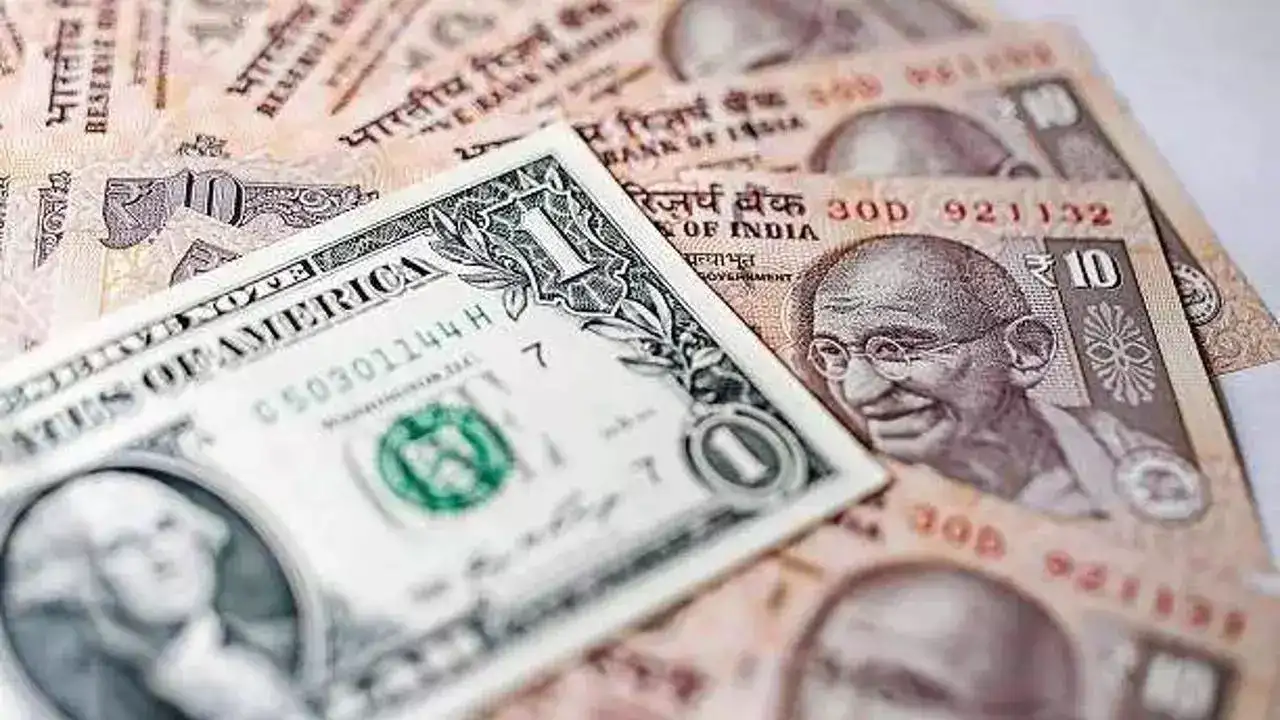
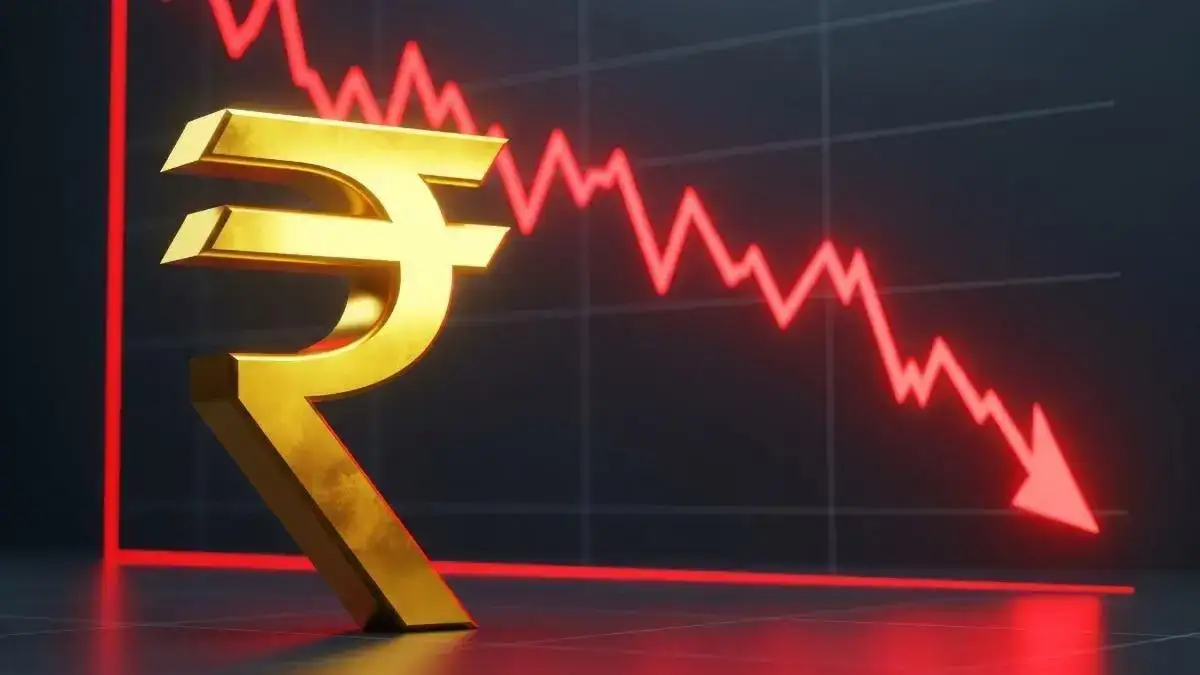
The Reserve Bank of India (RBI), in its annual report released on Friday, noted that the Indian rupee traded with a depreciating bias in FY26, weakening nearly 10% as trade-related uncertainties, a widening merchandise trade deficit, the outbreak of the Iran–US conflict, and persistent FII outflows weighed on the currency.
In the first half of FY2025-26, the rupee initially strengthened amid a softening US Dollar Index and the suspension of reciprocal tariffs by the US, hitting a yearly high of Rs 83.75 against the dollar on May 2, 2025, the RBI noted. However, the currency soon came under pressure as border tensions flared, tariff concerns resurfaced, and FPI outflows intensified in the equity segment. By the end of H1 FY26, the rupee had declined 3.8%, closing at 88.79 against the US dollar.
The sharp decline in the rupee worsened in the second half amid multiple headwinds. While trade-related uncertainties and widening merchandise trade deficit continued to impact, worsening risk sentiments due to the outbreak of conflict in the Middle East and consequent surge in crude oil prices strongly affected the Indian currency, RBI pointed out. In the second half of FY26, INR dropped over 6% to close at 94.83 against the US dollar.
What measures RBI took to protect rupee?
The Reserve Bank intervened in the forex market through operations in the onshore or offshore OTC and exchange-traded currency derivatives segments to maintain orderly market conditions and contain excessive volatility in the exchange rate, it said in its annual report. “The ascendence of INR as an invoicing and settlement currency is likely to offer protection against exchange rate risk, reduce requirement for maintaining costly forex reserves in convertible currencies, facilitate the development of bilateral exchange rate markets and contain transaction cost in foreign exchange transactions,” it added.
Listing out some of the policy initiatives for boosting the role of the rupee as a cross-border medium of exchange for current or capital account transactions, the RBI said the provision of Special Rupee Vostro Accounts (SRVAs) will be opened by correspondent banks in India’s partner countries. Local currency arrangements (LCAs) with partner countries (which entail invoicing/settlement of crossborder trade in either INR or the trade partner’s local currency), enabling PROIs to open and maintain INR-denominated accounts with branches of authorised dealer banks outside India, transfer of funds for all bona fide transactions between repatriable Rupee accounts and payment for permitted foreign investment into India enabled out of SRVA balances were some of the measures listed in the report.
Also read: From Adani Green to Tata Tech: 50 companies swing back to profit in Q4 despite market turmoil
“Operationally, progress continued in strengthening technological capabilities, including the migration of crossborder payments to the ISO 20022 messaging framework,” the RBI further said, adding that India’s foreign exchange reserves (US$ 691.1 billion as at end of March 2026) remained adequate in terms of the standard metrics of reserve adequacy, including import cover of about 11 months and external debt cover of 90.3 percent, thereby providing buffer against adverse global spillovers.