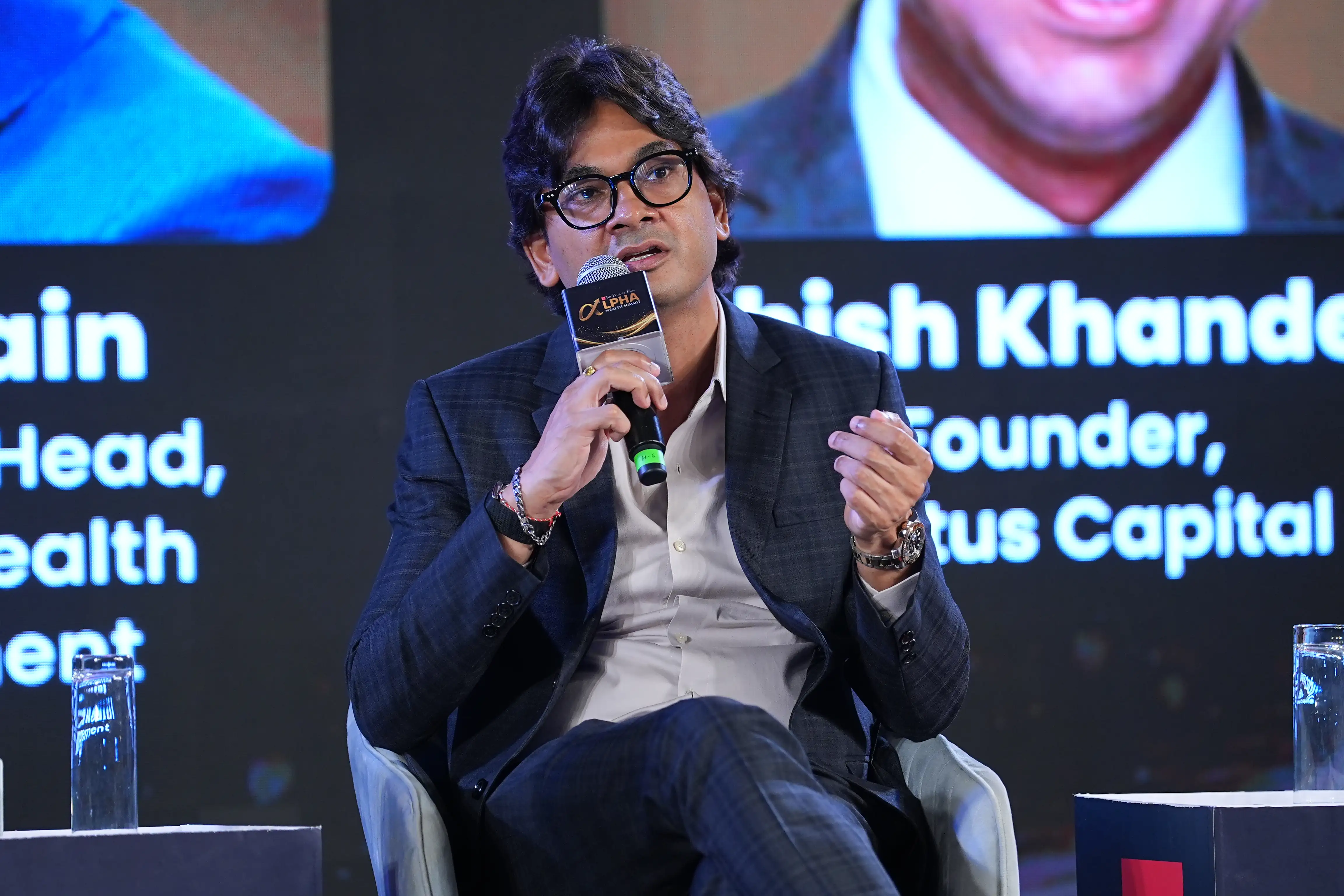

OpenAI might turn out to be the WeWork of AI and could be sold to a company such as Microsoft in a fire-sale, Gary Marcus, American cognitive scientist, psychologist, author, and entrepreneur, told ET in an interview. He said the fall of even one major company from the AI ecosystem, which some US policymakers believe has played a role in causing bond yields to spike through borrowed investments, will lead to a contagion effect for the world at large - and could even create a 2008-like crisis.
Marcus, who was in India this week, has emerged as one of the world's most widely recognised and independent critics of the current generative-AI hype.
He called Anthropic "egregious" for calling out risks and asking for slowing down of AI while pressing ahead with its $2 trillion IPO. He sought a "recall" of autonomous AI agents, arguing that they are dangerous and unsafe and that the launch of personal agents will further aggravate the situation.
"People talk about P(doom), the probability that AI will cause human extinction. But I think the probability of that is very low. The probability of catastrophe is higher, and the probability of dystopia is very high. We are already heading that way," he said.
A professor emeritus of psychology and neural science at New York University, he founded machine-learning startup Geometric Intelligence, which was acquired by Uber in 2016, and later co-founded robotics company Robust.AI.
He famously testified alongside OpenAI CEO Sam Altman before the US Senate in 2023 on AI regulation and in December 2025, published a set of provocative predictions for 2026, which included warnings of a generative AI investment bubble peaking in 2025, AGI being a long time away and backlash over AI becoming a political issue during the mid-term elections in the US.
Marcus said OpenAI could possibly struggle to justify its spending and eventually fail to secure the public listing it hopes for.
"Microsoft could acquire OpenAI for $200 billion rather than the $1 trillion valuation the company might seek in an IPO," he said.
WeWork, once valued at $47 billion, saw its planned 2019 IPO collapse amid concerns over losses and governance before filing for bankruptcy in 2023, while OpenAI has reportedly delayed its planned IPO, targeting a valuation of $1 trillion, to next year.