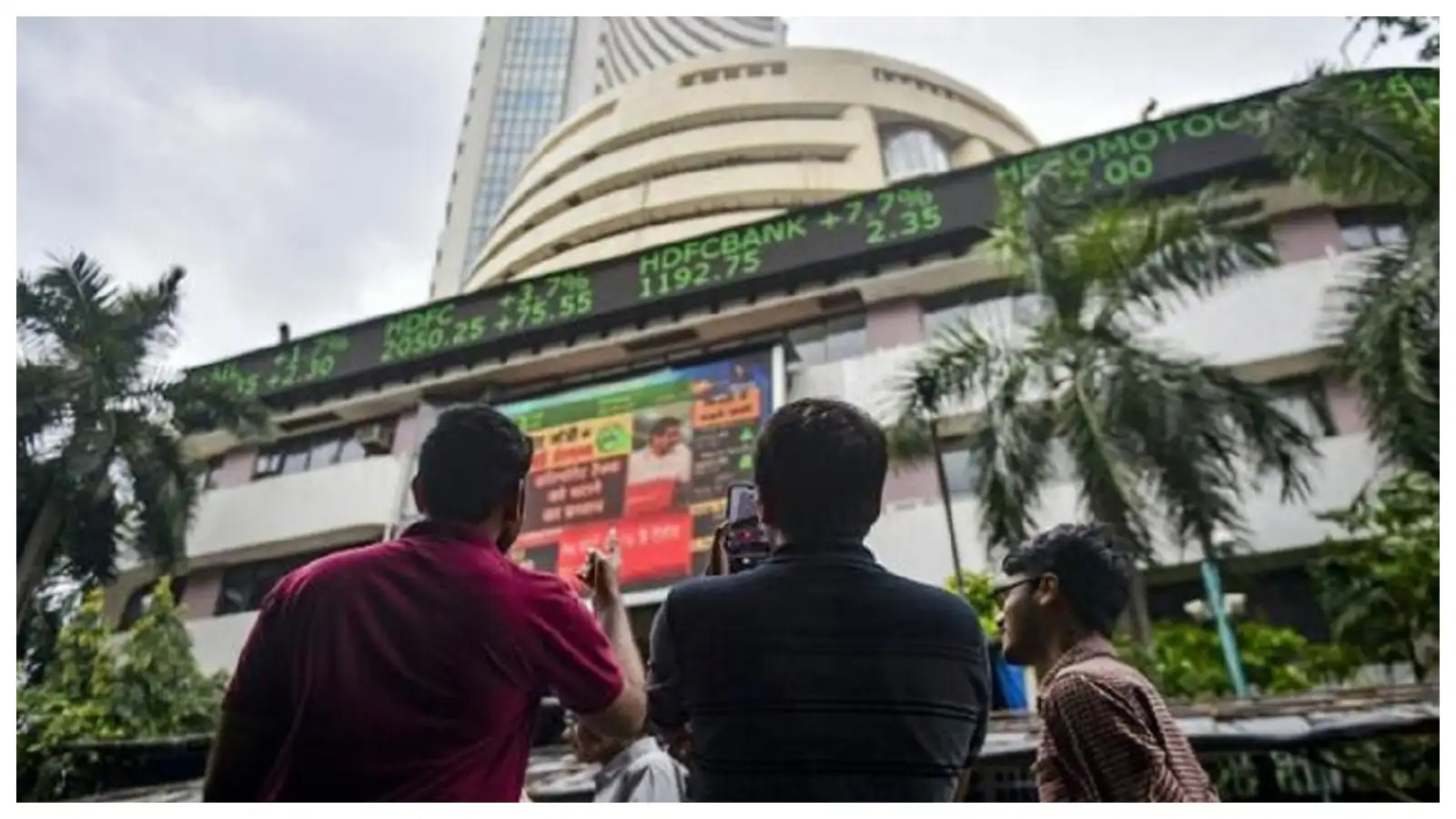

With Indian equities witnessing heightened volatility amid persistent foreign institutional investor (FII) selling, geopolitical uncertainty and mixed corporate earnings, investors are grappling with the question of how to position their portfolios for the second half of 2026.
While large-cap stocks have lagged their mid- and small-cap peers in recent months, valuation comfort is gradually returning, making asset allocation more important than ever.
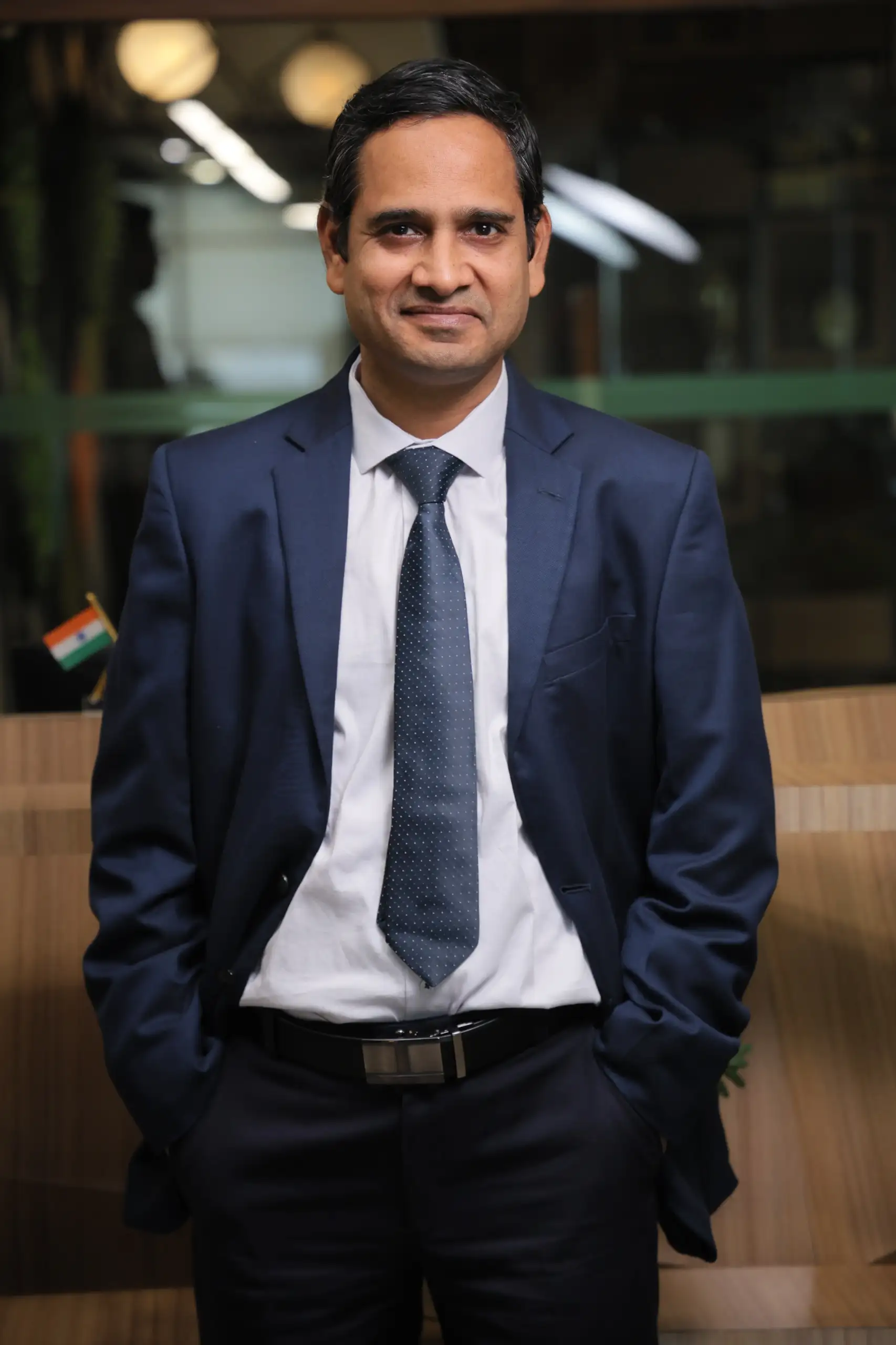
In an interaction with Kshitij Anand of ETMarkets, Roop Bhootra, Whole-time Director at Anand Rathi Share and Stock Brokers Limited, recommends a balanced portfolio strategy with 50% allocation to large caps, 30% to midcaps and 20% to small caps.
He believes large caps offer better valuation comfort and resilience in a volatile environment, while exposure to mid- and small-cap stocks should remain selective and driven by earnings quality rather than momentum.
In this ETMarkets Smart Talk interview, Bhootra also shares his outlook on market valuations, sector preferences, structural themes that could create wealth over the next five years, and the biggest mistakes retail investors should avoid. Edited Excerpts -
Q) Indian markets have started 2H2026 on a subdued note, falling over 1% in July. What is weighing on markets?
A) The recent weakness is primarily driven by underperformance by large cap stocks or to say the top 100-150 stocks and the reasons are largely persistent selling by FIIs who have relatively higher exposure in these stocks followed by muted growth numbers due to global exposure amid geopolitical uncertainty.
However, in the same time SMID stocks have performed better both in growth and earnings and also on return basis clocking around average 6-8% positive return.
While the long-term India story remains intact, near-term consolidation specially in larger peers is what is optically driving current sentiments.
Q) Are current market valuations justified by earnings growth? How are you reading the June quarter numbers?
A) Currently, Nifty50 is trading around 18.5x times 1-year forward earnings which is comfortable as it is below both 5-year and 10-year averages; hence, there is limited downside risk.
The June quarter has so far been decent and better than previous quarter. The revenue/sales growth momentum is picking up and is expected to strengthen in subsequent quarters.
However, the earning performance continued to remain muted and mixed which is expected to show improvement starting H2-FY27.
Q) If you were building a fresh portfolio today, how would you allocate between large caps, midcaps and small caps?
A) Given the current valuation landscape, I would adopt a balanced approach:
Large caps offer relatively a better valuation, comfort and resilience during volatile phases. Exposure to mid and small caps should remain on a selective or stock specific basis, focusing on companies with sustainable and strong earnings growth rather than momentum.
Q) Which sectors are you overweight, underweight and why?
• Auto & Ancillaries: Positive GST2 impact, strong sales number, EV growth picking up.
• Financials: Healthy credit growth, improving asset quality, and attractive valuations.
• Capital Goods, Manufacturing & Defence: Supported by government capex, private investment revival, and the China+1 opportunity.
• Healthcare(Pharma & Hospitals): Strong export outlook, improving domestic demand, and structural growth drivers.
• Utilities & Power: Rising power demand and continued investments in transmission and renewables.
• IT, where the recovery appears gradual with improving deal pipelines.
• Consumer staples, due to expensive valuations, Pricing pressures due to inflation and relatively slower earnings growth.
Q) Which structural theme has the potential to create the most wealth over the next five years—manufacturing, AI infrastructure, defence, financialization, energy transition, or consumption?
A) Manufacturing and financialization stand out as the most compelling long-term themes.
Manufacturing benefits from the government's infrastructure push, PLI schemes, and global supply chain diversification.
Financialization continues to gain momentum as household savings increasingly shift from physical assets toward mutual funds, insurance, wealth management, and capital markets. While defence, AI infrastructure, and energy transition also offer attractive opportunities, they are likely to create wealth more selectively rather than across the broader market.
Q) What's the single biggest risk to Indian equities over the next 12 months?
A) The biggest risk is a combination of earnings disappointments and elevated valuations. If corporate earnings fail to meet expectations while interest rates remain higher for longer globally, markets could witness sustained selling by FIIs. Additionally, geopolitical risks and sustained inflationary pressures remain key variables to monitor.
Q) What's the biggest mistake retail investors are making in the current market?
A) The biggest mistake is chasing momentum without considering valuations or business quality. Far too many retail participants are buying stocks simply because they have already gone up sharply — classic FOMO behavior — rather than evaluating whether current prices are supported by sustainable earnings, free cash flow generation, and reasonable multiples.
This approach turns investing into speculation and significantly increases the risk when sentiment reverses. Compounding this error is the tendency to deploy fresh capital aggressively when markets are making new highs, while becoming cautious or sidelined during corrections.
The opposite is generally more effective: using periods of market weakness to improve your average cost basis in high-quality businesses.
The key principles retail investors should prioritize instead are Valuation discipline, business quality, disciplined asset allocation and diversification, and long-term approach.
Q) Brent crude is again hovering around $100/bbl. Do you think higher crude oil will cap upside for Indian markets in 2H2026?
A) Sustained crude prices around $100 per barrel would certainly be a headwind for India. Higher oil prices can widen the current account deficit, increase inflationary pressures, raise input costs for corporates, and potentially delay monetary easing.
Sectors such as paints, aviation, chemicals could face margin pressure. However, in current geopolitical circumstances and state of global economies it is very unlikely for crude oil to remain above $100 for long time and India's domestic growth and earnings remain resilient, the broader market impact is likely to be manageable.
(Disclaimer: Recommendations, suggestions, views, and opinions given by experts are their own. These do not represent the views of the Economic Times)