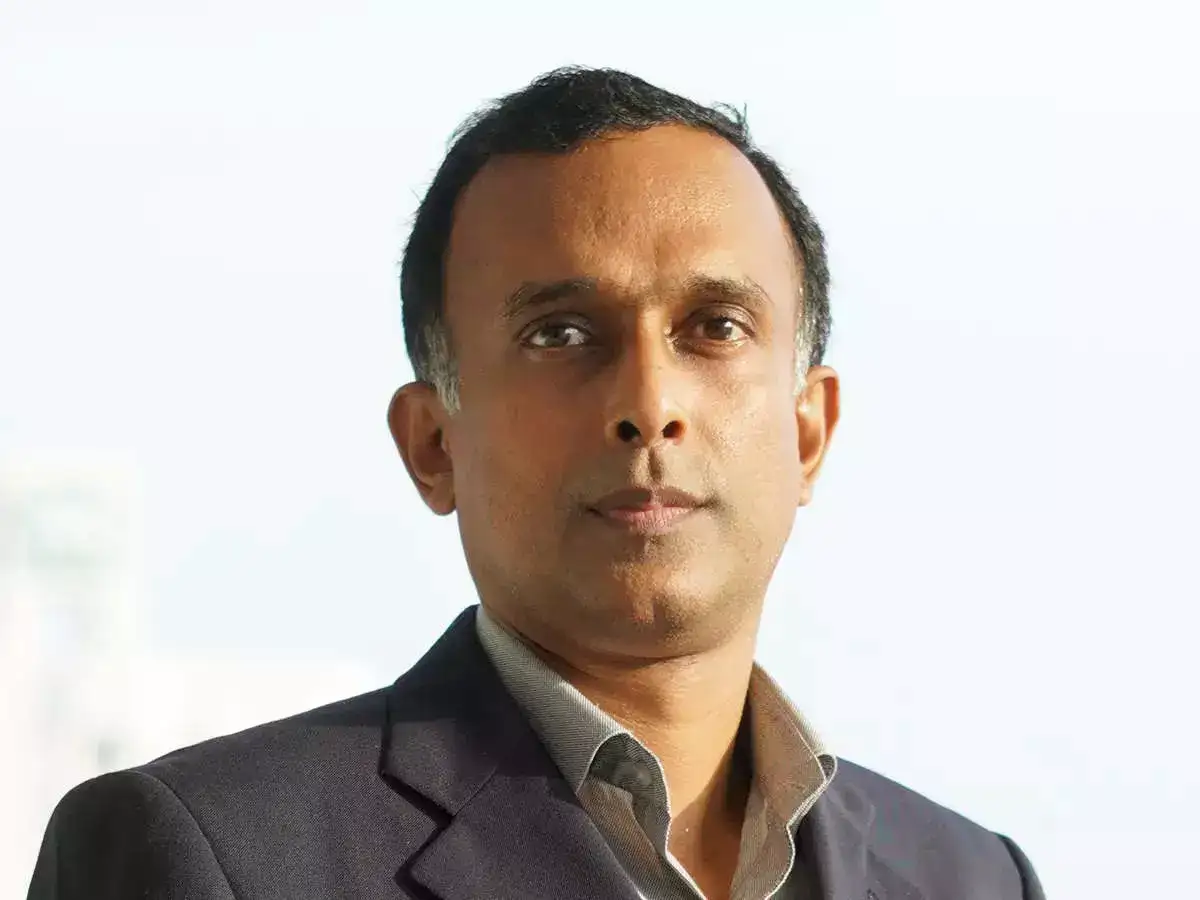

दलाल स्ट्रीट के सबसे बड़े शेयरों में पोर्टफोलियो का एकाधिकार हो सकता है, लेकिन वे अब रिटर्न नहीं चला रहे हैं। साम्को म्युचुअल फंड के सीआईओ उमेश मेहता का कहना है कि निफ्टी की मेगा कैप "कमजोर" हो रही है क्योंकि व्यापक संस्थागत स्वामित्व उन्हें कुछ वृद्धिशील खरीदारों के साथ छोड़ देता है, भले ही विकास और कमाई की गति बाजार - पूंजी की सीढ़ी से नीचे चली जाती है।
सैमको ने अपने फ्लेक्सिकैप फंड में असामान्य रूप से आक्रामक स्थिति के साथ जवाब दिया है, जिसमें पोर्टफोलियो का लगभग 70 -75% मिड - कैप, स्मॉल - कैप और चुनिंदा माइक्रो - कैप को आवंटित किया गया है, जबकि सीमित लार्ज - कैप एक्सपोजर को बनाए रखा गया है। हालांकि मेहता मेगा कैप को डाउनसाइड प्रोटेक्शन की पेशकश करते हुए देखते हैं, उनका मानना है कि विकास की मांग करने वाले निवेशकों को हेडलाइन सूचकांकों से परे गणना किए गए जोखिमों को लेना चाहिए।
एक साक्षात्कार के संपादित अंश।
निफ्टी 50 ने पिछले दो वर्षों में सूचकांक स्तर पर बहुत कम सफलता हासिल की है, भले ही क्षेत्र - विशिष्ट गतिविधि जारी रही है, खासकर मिड - एंड स्मॉल - कैप शेयरों में। आपको क्या लगता है कि वर्तमान चक्र में बाजार कहां है?
बाजार पूंजीकरण के आधार पर सबसे बड़ी निफ्टी 50 कंपनियां कमजोर हो रही हैं। ये मेगा - कैप कंपनियां हैं, और विश्व स्तर पर पारंपरिक व्यवसायों को वे मूल्यांकन नहीं मिल रहे हैं जिनकी उन्होंने ऐतिहासिक रूप से कमान संभाली थी।
सौभाग्य से या दुर्भाग्य से, पारंपरिक व्यवसाय हमारे सूचकांकों का एक बड़ा हिस्सा हैं। यही कारण है कि हेडलाइन सूचकांकों ने पिछले दो या तीन वर्षों में निवेशकों की उम्मीद के अनुसार रिटर्न नहीं दिया है। लेकिन अगर आप मेगा कैप से आगे बढ़ते हैं और मार्केट - मिड कैप और स्मॉल कैप के अगले पायदान को देखते हैं - तो काफी गतिविधि होती है। यह जारी रहना चाहिए क्योंकि कई अवसर खुल रहे हैं।
दुनिया तेजी से बदल रही है। सरकारी खर्च सहायक बना हुआ है, जबकि वैश्विक घटनाक्रम कभी - कभी टेलविंड प्रदान करते हैं और कभी - कभी हेडविंड बनाते हैं। काफी प्रवाह है: कुछ स्टॉक अच्छा प्रदर्शन कर रहे हैं, जबकि अन्य कमजोर हैं।
कुल स्तर पर, बाजार के छोटे पॉकेट आगे बढ़ रहे हैं, लेकिन बाजार के बड़े कैप और मेगा कैप का एक महत्वपूर्ण हिस्सा बहुत कम कर रहा है। यहां तक कि विदेशी संस्थागत निवेशकों के लिए, यह ऐसा प्रतीत हो सकता है जैसे भारत कहीं नहीं जा रहा है।
इस माहौल में, बॉटम - अप दृष्टिकोण निवेशकों, व्यापारियों और परिसंपत्ति प्रबंधकों की मदद करेगा। उन्हें केवल हेडलाइन सूचकांकों को देखने के बजाय व्यक्तिगत शेयरों पर ध्यान केंद्रित करने की आवश्यकता है।
दो साल के कम प्रदर्शन के बाद, क्या मेगा - कैप शेयर अब मूल्य प्रदान करते हैं, या क्या निवेशकों को उनसे आगे देखना जारी रखना चाहिए?
जब स्टॉक कम प्रदर्शन करते हैं, तो क्या वे निवेश के अच्छे अवसर बन सकते हैं? जवाब हाँ है। लेकिन दूसरा सवाल यह है कि क्या ऐसे स्टॉक में निवेश करना समझ में आता है जो पहले से ही पूरी तरह से हर किसी के स्वामित्व में है। इसका जवाब नहीं में हो सकता है।
जो कोई भी इन मेगा - कैप स्टॉक का मालिक बनना चाहता है, वह पहले से ही उनका मालिक हो सकता है। प्रत्येक फंड और परिसंपत्ति प्रबंधक के पास उनके लिए एक्सपोजर हो सकता है, जिससे कुछ शुद्ध नए खरीदार रह सकते हैं। यहां तक कि अगर वृद्धिशील खरीदार उभरते हैं, तो वृद्धिशील विक्रेता भी हो सकते हैं। इसलिए निवेशकों को इन सभी शेयरों के मालिक होने की आवश्यकता नहीं है।
दूसरा विचार यह है कि विकास कहाँ से आ रहा है। हम बड़े पैमाने पर विकास निवेश पर विचार कर रहे हैं। स्मॉल कैप, मिड कैप और अन्य ग्रोथ स्टॉक बढ़ रहे हैं, और उनका मूल्यांकन अधिक हो सकता है क्योंकि उनके व्यवसाय बढ़ रहे हैं और निवेशक उस विकास के लिए भुगतान करने को तैयार हैं।
बाजार जोखिम - इनाम के अवसरों का एक विस्तृत स्पेक्ट्रम प्रदान करता है। सुरक्षा चाहने वाले निवेशक बड़े मेगा कैप पर विचार कर सकते हैं क्योंकि वे नकारात्मक सुरक्षा प्रदान कर सकते हैं। विकास की मांग करने वालों को परिकलित जोखिम लेने और विकास कंपनियों में निवेश करने की आवश्यकता होगी।
फ्लेक्सिकैप फंड में अक्सर बहुत मजबूत लार्ज - कैप बायस होता है। आपने इस बाजार में साम्को फ्लेक्सिकैप फंड को कैसे रखा है?
फ्लेक्सिकैप फ़ंड को पारंपरिक रूप से सरोगेट लार्ज - कैप फ़ंड के रूप में प्रबंधित किया जाता रहा है। इसके बजाय हमने उन क्षेत्रों के आसपास अपना पोर्टफोलियो बनाया है जहां कार्रवाई और गति है।
हमारे पोर्टफोलियो का लगभग 70 -75% हिस्सा स्मॉल कैप, मिड कैप और कुछ माइक्रो कैप की ओर झुका हुआ है, जिसमें लार्ज कैप का एक्सपोजर बहुत सीमित है। यही वह जगह है जहां बाजार की कार्रवाई होती है, और पोर्टफोलियो को उन अवसरों को कैप्चर करने के लिए डिज़ाइन किया गया है।
कमाई का कुल सीज़न बहुत अच्छा रहा। मिड - और स्मॉल - कैप कंपनियों ने, विशेष रूप से, एक कमाई का मौसम दिया जिसने कई रिकॉर्ड तोड़ दिए।
क्या मिड - एंड स्मॉल - कैप कंपनियों द्वारा दी गई कमाई उनके मूल्यांकन और बाद की तेजी को सही ठहराती है?
हमें उन आय के स्रोतों के बीच अंतर करने की आवश्यकता है। क्या सुधार इन्वेंट्री लाभ से आया था, कंपनियों ने उच्च कीमतों पर स्टॉक को परिसमापन किया था, या क्या कोई वास्तविक उद्योग टेलविंड है? क्या भू - राजनीति ने किसी कंपनी को स्थायी कमाई और राजस्व स्ट्रीम बनाने की अनुमति दी है? कई हिलने - डुलने वाले हिस्से हैं।
कुल स्तर पर, संख्याएँ अच्छी थीं और स्टॉक की कीमतें उस प्रदर्शन को दर्शाती थीं। लेकिन क्या यह गति पूरे बोर्ड में बनी रहेगी? जाहिर है नहीं। आपूर्ति - श्रृंखला प्रतिबंध अभी भी बने हुए हैं और इनका प्रभाव पड़ने की संभावना है। अगले तीन या छह महीनों में कमाई की वही संख्या दोहराई नहीं जाएगी।
कुछ कंपनियां अपने द्वारा हासिल किए गए लाभों से लाभान्वित होती रहेंगी। रिफाइनिंग मार्जिन एक उदाहरण है। एकीकृत कंपनियों को कठिनाइयों का सामना करना पड़ सकता है, लेकिन शुद्ध रिफाइनिंग व्यवसाय जो खुदरा बिक्री में भी शामिल नहीं हैं, उनके पास एक महत्वपूर्ण अवसर हो सकता है। रूसी रिफाइनरियों और कुछ मध्य पूर्वी क्षमता सिस्टम से बाहर जा रही है, जो रिफाइनिंग दरारें बढ़ा सकती है और शुद्ध रिफाइनर की कमाई का समर्थन कर सकती है। इन कंपनियों ने युद्ध से वास्तविक आर्थिक धाराएं बनाई हैं।
रक्षा एक और क्षेत्र है जो विकसित हुआ है - और भू - राजनीति के कारण एक मजबूत आय टेलविंड से लाभ उठाना जारी रखना चाहिए। अवसरों का उभरना जारी रहेगा।
रक्षा और तेल और गैस के अलावा, कौन से क्षेत्र आकर्षक लगते हैं?
पावर, कुल स्तर पर, एक महत्वपूर्ण अवसर प्रदान करता है। चुनौती यह है कि शेयर बाजार जमीनी स्तर पर होने वाले विकास की तुलना में तेजी से छूट देता है। बिजली परियोजनाओं में समय लगता है और देरी का सामना करना पड़ सकता है, जिससे द्वितीयक - बाजार अपेक्षाओं और परियोजना निष्पादन के बीच एक बेमेल पैदा होता है।
पिछले तीन या चार वर्षों में, पावर स्टॉक ने एक व्हिपसॉ का अनुभव किया है, जो दोनों दिशाओं में तेजी से आगे बढ़ रहा है। सुधार के बाद, यह क्षेत्र फिर से आकर्षक दिखता है, लेकिन यह एक दीर्घकालिक विषय बना हुआ है जिसके लिए आय का पालन करने से पहले पर्याप्त पूंजीगत व्यय की आवश्यकता होती है। मांग और विकास मौजूद हैं, लेकिन निवेशकों को उस क्षमता का एहसास करने के लिए दीर्घकालिक क्षितिज की आवश्यकता है।
एआई सहायक भी एक अवसर प्रस्तुत करते हैं, जैसे कि अचल संपत्ति सहायक जैसे केबल और संबंधित उत्पाद। विश्व स्तर पर आर्टिफिशियल इंटेलिजेंस पर खरबों डॉलर खर्च किए जा रहे हैं, और भारतीय कंपनियां उस मूल्य श्रृंखला के कुछ हिस्सों में भाग लेंगी। इसमें पावर ट्रांसमिशन, ऑप्टिकल - फाइबर केबल और अन्य एआई - संबंधित बुनियादी ढांचे के लिए आवश्यक भारी विद्युत केबल शामिल हो सकते हैं।
ये अवसर अगले एक से दो वर्षों तक प्रासंगिक रह सकते हैं। विकास निवेश ऐसे क्षेत्रों में काम कर सकता है, और उच्च मूल्यांकन गुणक बनाए रख सकते हैं, जो संबंधित जोखिम लेने के इच्छुक निवेशकों को पुरस्कृत कर सकते हैं।
सत्ता के भीतर, क्या आप बिजली उत्पादकों या बिजली क्षेत्र के पूंजीगत व्यय से जुड़ी कंपनियों को पसंद करते हैं?
दोनों। पावर जनरेटर पूंजीगत व्यय कर रहे हैं और थर्मल, सौर और पवन ऊर्जा में विस्तार कर रहे हैं। हालांकि, इन परियोजनाओं को पूरा करने में समय लगता है। अवसर मौजूद है, लेकिन निवेशकों को स्टॉक की कीमतों का पीछा करने के बजाय धैर्य रखना चाहिए।
बिजली क्षेत्र के पूंजीगत व्यय में भी पर्याप्त अवसर हैं। भारत को न केवल उत्पादन में बल्कि ट्रांसमिशन, वितरण और सबस्टेशन में भी निवेश की आवश्यकता है। महानगरीय क्षेत्रों में, वितरण वर्तमान ओवरहेड सिस्टम से तेजी से भूमिगत हो जाएगा। यह भारी विद्युत - केबल निर्माताओं और इंजीनियरिंग, खरीद और निर्माण कंपनियों के लिए एक बड़ा अवसर पैदा करता है जो उन केबलों को स्थापित करते हैं।
यह अवसर बड़ा, टिकाऊ और संभावित रूप से उच्च - मार्जिन वाला है। क्षमता रातोंरात नहीं बनाई जा सकती है, इसलिए भारी बिजली - केबल निर्माताओं के पास अगले एक या दो साल के लिए एक महत्वपूर्ण लाभ - पूल अवसर हो सकता है।
बिजली पूंजीगत व्यय वर्तमान में एक बहुत ही गर्म बाजार विषय है, और मूल्यांकन बढ़ गया है। हालांकि, यह क्षेत्र फिर से सही होगा क्योंकि जमीन पर एक परियोजना को निष्पादित करने की तुलना में स्टॉक की बोली लगाना बहुत आसान है। जब त्रैमासिक संख्या अपेक्षाओं को पूरा करने में विफल रहती है, तो कुछ परिसमापन का पालन किया जाएगा। एक सीधी रेखा में चलने के बजाय शक्ति चक्रीय रहेगी। कई पावर - केपेक्स कंपनियां भी निर्यातक हैं।
क्या निर्यात घरेलू बाजार की तुलना में बिजली से संबंधित कंपनियों के लिए एक बड़ा अवसर बन सकता है?
भारत ने घरेलू बिजली और सौर विनिर्माण में अच्छा प्रदर्शन किया है, और आज अधिक क्षमता है। हालांकि, वैश्विक स्तर पर, चीन के बाहर सौर क्षमता अपर्याप्त बनी हुई है। अमेरिका में पर्याप्त घाटा है और अतिरिक्त बिजली उत्पादन की आवश्यकता है, हालांकि निहित स्वार्थ और लॉबिंग नवीकरणीय ऊर्जा खिलाड़ियों के प्रवेश और प्रभाव को प्रभावित कर रहे हैं। इसलिए राजनीति अर्थशास्त्र के साथ - साथ एक महत्वपूर्ण भूमिका निभाती है।
सौर ऊर्जा बिजली क्षमता जोड़ने का सबसे तेज़ तरीका है, जैसा कि भारत ने दिखाया है। चीन और यूरोप भी विस्तार कर रहे हैं, और अमेरिका को अंततः ऐसा ही करना होगा। लेकिन ये अवसर केवल अर्थशास्त्र द्वारा निर्धारित नहीं किए जाएंगे; राजनीति एक महत्वपूर्ण कारक बनी रहेगी।
सौर - सेल और मॉड्यूल - विनिर्माण क्षमता वाली भारतीय कंपनियों को वर्तमान में कठिनाइयों का सामना करना पड़ रहा है, हालांकि इस क्षेत्र में काफी लंबी अवधि की क्षमता है। परमाणु ऊर्जा एक और उभरता हुआ विषय है, लेकिन इसकी गर्भधारण अवधि लंबी होगी।
क्या यह परमाणु ऊर्जा विषय में निवेश करने का सही समय है?
When we speak with industry participants, they indicate an eight-to-10-year time frame before the first nuclear power begins flowing and companies start earning from it. That illustrates the length of the gestation period.
The stock market can bid up share prices well before plants are established. When the narrative is driven by a theme, government support or a policy tailwind, the relevant stocks can rise. But as time passes and execution does not immediately follow, those stocks can become available at lower valuations.
That would be the more appropriate time to evaluate nuclear-power investments, rather than bidding up the stocks now, including companies catering to the broader nuclear ecosystem.
Could the high earnings base begin weighing on sectors such as automobiles and consumption from the second half of the financial year?
Automobiles are a typical sector where the base effect could become visible. The GST reduction was the opposite of a black swan—a “good swan.” That favourable window is likely to end, after which the high-base effect will begin to play out.
The auto index is already correcting. The last phase of the rally was concentrated in auto ancillaries, where considerable euphoria emerged. Eventually, reality should set in.
Maruti is near the bottom of the return table even though Maruti, Hyundai and Mahindra are among the biggest customers and value accumulators for these ancillary businesses. Auto ancillary stocks have outperformed the passenger-vehicle manufacturers they supply. The market should eventually recognise this divergence. The cyclical effect will reassert itself, leading to a correction and normalisation in prices.
Some auto-ancillary companies are increasing exports and diversifying into areas such as aerospace. Could that cushion the domestic slowdown?
Exports represent a significant opportunity, although their current contribution remains small for passenger-vehicle and commercial-vehicle manufacturers in aggregate. The impact is more visible for ancillary companies because the incremental export opportunity is substantial relative to their size.
India aspires to become a global manufacturing and automotive hub, and the government is supporting that ambition. These companies continue to generate domestic sales while also expanding exports.
If exports perform well, they could make the Indian automobile sector more secular and less cyclical from an investment perspective. For now, however, exports remain a relatively small proportion of the business. The high-base effect in the domestic market should therefore result in mean reversion, with automobile stocks likely to correct.
Over time, investors should monitor export growth. Bajaj Auto, for example, is performing very well in overseas markets, and other companies will eventually attempt to expand their export presence.
How do you assess the current IPO momentum and the quality of new listings?
IPO momentum is strong, but if it keeps accelerating, it could take momentum away from the secondary market. Liquidity is the biggest driver of stock-market performance. If liquidity is absorbed by primary issuances, that may be positive for the economy, but it can create difficulties for the secondary market.
If increasingly large IPOs continue to arrive, retail money channelled through mutual funds is absorbed by new supply, and FIIs do not return, the net liquidity equation becomes adverse. When liquidity deteriorates, markets can correct.
Either FIIs must return and provide enough liquidity to sustain the market, or IPO supply must slow. If fundraising continues at this scale, it could wreck the market. One of those two conditions needs to change for the market to sustain. We have seen this dynamic since 2024.
The supply pressure is not limited to IPOs. We are also seeing offers for sale, including LIC’s ₹32,000-crore OFS, along with numerous qualified institutional placements.
Consider the market as an investor facing a series of suppliers. If one issuer takes ₹30,000 from the investor and another subsequently seeks ₹20,000, the investor must either find additional money or sell an existing holding. At an aggregate level, a continuous stream of new supply eventually forces selling in the secondary market, creating a cascading effect on prices.
With the possibility of interest-rate cuts and renewed momentum in gold, how should investors approach asset allocation?
The past five or six years were very good for equities, but they were also very good for gold. Over the next two, three or five years, gold will remain an equally important asset class that investors should not ignore, as long as the current US administration remains in power.
Gold has historically delivered strong or comparable returns. The probability of gold generating better risk-adjusted returns is now much greater than it was two, three or five years ago.
As geopolitics intensifies and currencies are increasingly weaponised, the world is recognising that gold is money. Governments and investors cannot rely exclusively on electronic forms of money. A reserve currency gives its issuer the power to impose sanctions. If that currency is repeatedly weaponised, countries will become more inclined to diversify into gold because their savings are otherwise held in a system that can be used against them.
The reported freezing of a judge’s assets because of a decision favouring a particular country is another trigger for governments and investors to reconsider their gold exposure. Gold is currently in a strong secular bull-market trend.
Investors should allocate to gold through instruments such as exchange-traded funds or multi-asset allocation funds. It is time to consider gold alongside equities as a means of preserving wealth because markets can surprise on both the upside and downside.
For a moderately aggressive investor with a five-to-10-year horizon, should the allocation to gold exceed 10% and potentially reach 15–20%?
Easily. Whether one begins the comparison in 1979, 2000 or 2010, gold has generally delivered returns that were either better than equities or within one or two percentage points of them. Although gold’s long-term return has been slightly below the Sensex, it remains a wealth creator.
Gold cannot manipulate itself and does not generate negative or positive earnings surprises. It is a pure demand-and-supply asset: if demand rises, its price increases, and if demand falls, its price declines.
The precious-metals universe is also relatively simple, consisting primarily of gold and silver. By owning one asset, investors have historically generated returns, whereas equity investors must select from thousands of stocks while managing a much wider spread of risks to deliver a similar outcome.
Gold is therefore a valuable asset class. Over a one-year horizon, it could deliver better returns than equities. Over five to 10 years, its returns should be broadly in line with equity returns.