
QUERY LENGTH LIMIT EXCEEDED. MAX ALLOWED QUERY : 500 CHARS
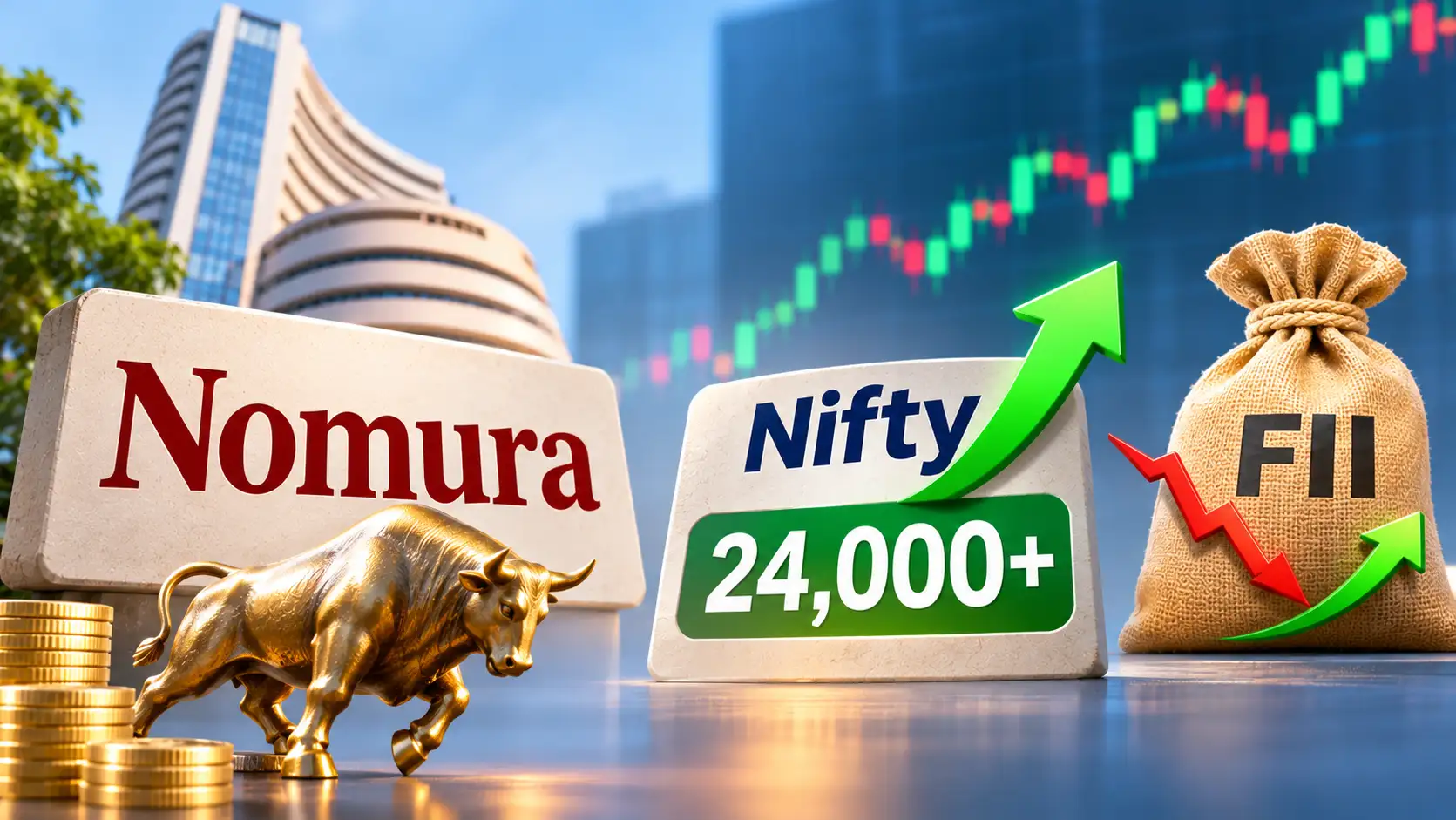
In September alone, the Nifty lost more than 6%, as surging oil prices, a weakening rupee and relentless foreign selling weighed on investor sentiment. The index subsequently extended its losses into October, recording eight consecutive weeks of declines.
The biggest blow came from the conflict in West Asia, which pushed crude oil prices sharply higher and raised concerns about India's inflation, import bill and economic growth. India depends on imports for most of its crude oil requirements. Higher energy prices increase costs for businesses, put pressure on the rupee and make it harder for policymakers to contain inflation.
Foreign investors have also pulled out money at an unprecedented pace. Overseas funds sold Indian equities worth about $31.3 billion in 2026 as higher global bond yields, currency weakness and concerns over oil prices encouraged investors to reduce exposure to emerging markets.
A shift in global investment towards artificial intelligence-related companies in markets such as South Korea and Taiwan has further affected India's appeal to foreign investors.
However, the recent market rebound has offered some relief. On November 2, the Nifty jumped over 388 points, or 1.68%, supported by a sharp rally in Reliance Industries and easing crude oil prices.
मुंबई में अविनाश मेंटर रिसर्च के संस्थापक अविनाश गोरक्षकर का मानना है कि नवंबर और दिसंबर में सकारात्मक रिटर्न संभव है, हालांकि बाजार को उच्च अस्थिरता और कई व्यापक आर्थिक जोखिमों को नेविगेट करना होगा।
He identified September-quarter corporate earnings and domestic institutional investment as two important factors that could support a recovery. Strong earnings growth would help justify stock valuations and encourage investors to return to equities. At the same time, steady investments through systematic investment plans and mutual funds could continue to absorb selling pressure from foreign investors.
Domestic institutions have played an important role in cushioning the market's decline this year. Their sustained purchases have helped prevent an even sharper correction despite heavy overseas outflows.
फिर भी, पिछले एक साल में हुए नुकसान की भरपाई करना मुश्किल होगा। निफ्टी को अपने पिछले दिवाली स्तर 25,868.60 पर वापस आने के लिए 2 नवंबर के बंद भाव से लगभग 10.4% की बढ़त हासिल करनी होगी। पूरे कैलेंडर वर्ष के नुकसान की भरपाई के लिए इससे भी अधिक मजबूत रिकवरी की आवश्यकता होगी।
मंगल केशव के चेयरमैन परेश भगत ने कहा कि शेष दो महीनों में सकारात्मक रिटर्न की संभावना के बावजूद, लगातार सुधार अनिश्चित बना हुआ है। भगत ने कहा, "एक चुनौतीपूर्ण वर्ष के बाद, जिसमें निफ्टी में साल-दर-साल लगभग 12% की गिरावट आई है, ओवरसोल्ड की स्थिति और बेहतर वैश्विक संकेत अल्पकालिक सुधार को समर्थन दे सकते हैं।"
He expects the market's direction to depend largely on crude oil prices, geopolitical developments, foreign institutional flows and corporate earnings.
An improvement in these factors could help the benchmark recover, while persistent headwinds could restrict gains. Bhagat expects continued volatility and sees greater scope for selective gains in fundamentally strong companies than a broad market rally.
Abhinav Tiwari, senior research analyst at Bonanza, also expects a gradual recovery rather than a sharp rebound. "Despite the heightened volatility witnessed throughout 2026, we remain cautiously optimistic on the Nifty's prospects over the next two months," Tiwari said.
He believes improving corporate earnings, festive consumption and attractive valuations in large-cap stocks could provide support in the coming weeks.
The ongoing September-quarter earnings season has shown signs of recovery in several sectors, while expectations of stronger December-quarter results could help improve market confidence.
However, the upcoming US midterm elections could create fresh volatility through changes in policy expectations, bond yields, currency movements and foreign investment flows.
Higher crude oil prices and continued foreign selling remain significant risks. Tiwari expects the Nifty to maintain a positive bias through December, provided corporate earnings improve and global pressures ease.
For investors, November and December will test whether the recent rebound can develop into a sustained recovery. Stronger earnings and domestic investment flows offer some support, while oil prices, foreign selling and geopolitical tensions remain major obstacles.
QUERY LENGTH LIMIT EXCEEDED. MAX ALLOWED QUERY : 500 CHARS