Indian government bonds fell sharply on Monday as the central bank's measures to directly drain banking system liquidity, alongside foreign exchange operations that could indirectly reduce the surplus, weighed on demand.
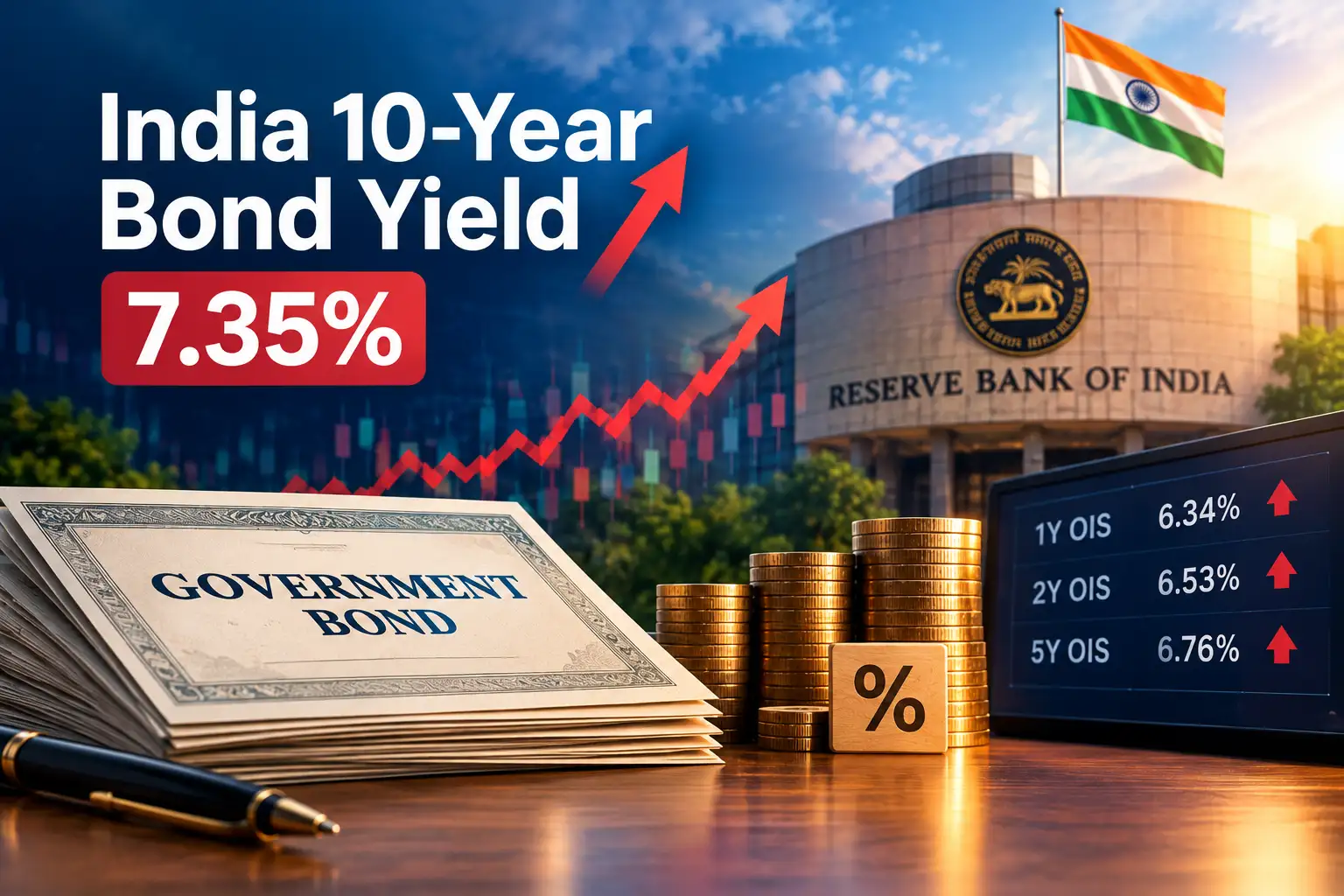
The benchmark 6.94% 2036 bond yield rose to 7.3707%, highest in three years, by 10:20 a.m. IST from 7.2994% on Friday. The yield has risen for eight consecutive weeks, gaining 54 basis points during the period.
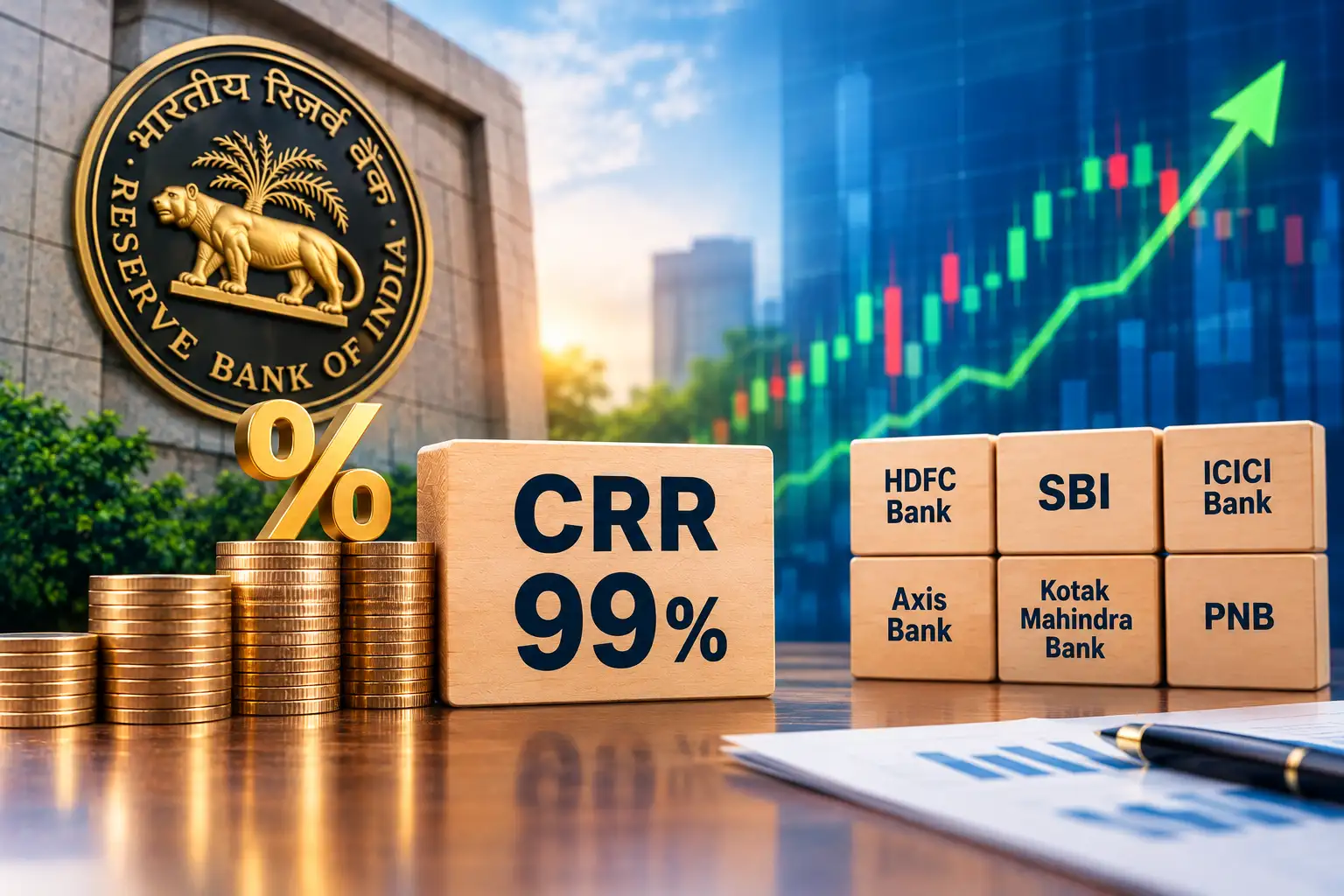
The Reserve Bank of India will sell 250 billion rupees ($2.58 billion) of bonds on Tuesday and require banks to maintain 99% of their daily cash reserve requirement from October 16, up from 90%.
The moves come days after the RBI raised its key policy rate for the first time in nearly four years and signalled more rate hikes.
At its policy meeting, the central bank announced no measures to drain liquidity, with Governor Sanjay Malhotra saying the surge in surplus cash would be temporary.
"Such flip-flops impact the credibility and often lead to a larger reaction in asset prices, as compared to what would have been," trader with a primary dealership said.
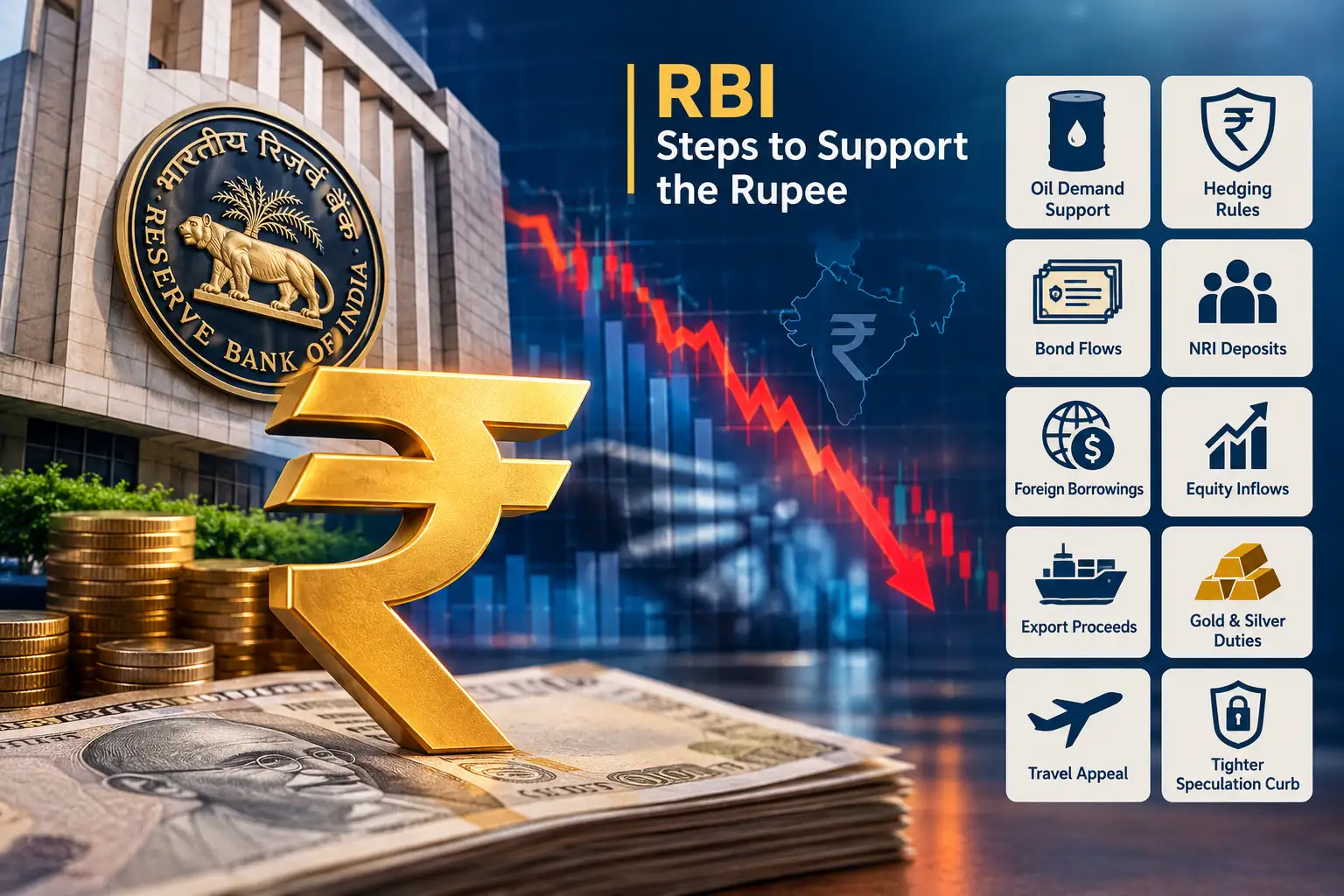
On the currency front, the RBI sought to temper pressure on the rupee by allowing oil marketing companies to buy dollars directly from the central bank through a special window, and tightened hedging rules.
The currency measures would also lead to depletion in the rupee liquidity from the system, traders added.
Meanwhile, the benchmark Brent crude price stayed above $100 per barrel, which could impact oil-import-dependent India's inflation trajectory and government finances.
India's September retail inflation print is due later in the day, with a Reuters poll showing the print to rise 5.4% year-on-year.
India's overnight indexed swap rates notched sharp upmoves, led by the shorter end of the curve, that is reacting more to the liquidity tightening.
The one-year OIS rate was at 6.34%, the two-year rate was at 6.53%, while the liquid five-year rate was at 6.76%.