

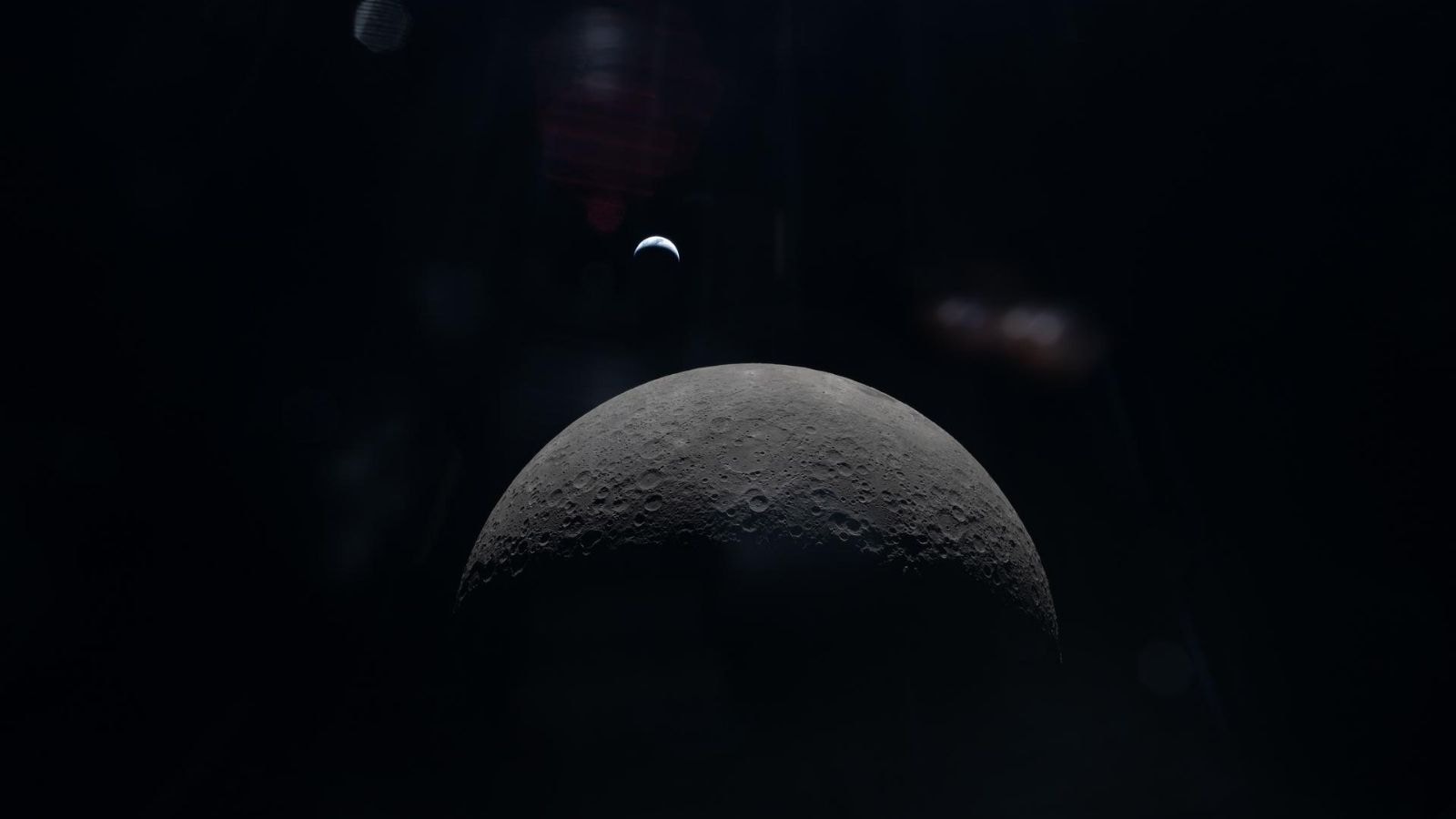
Post Content Researchers simulate 30 million routes to find a cheaper lunar trajectory that keeps the spacecraft connected to Earth for the entire journey. (Image: Nasa)
Space missions cost millions of dollars, but fuel is one of the leading causes of increased spending. Each additional gram of fuel increases the spacecraft’s mass, making space flights harder and more expensive. In a discovery that could reduce fuel consumption, a group of international scientists claims to have found an additional shortcut to the Moon while maintaining better communication with Earth throughout the journey.
In a recent report that appeared in Astrodynamics, the researchers said they performed over 30 million simulations to examine various routes that spacecraft can use when travelling between Earth and the moon.
While rockets play a central role in the mission, spacecrafts can also use gravitational force as their propulsion method. In fact, gravitational force can become the backbone of the invisible space transportation network located in our solar system.
Conventionally, spacecraft bound for the moon are guided through the section of the Moon’s orbital trajectory nearer to Earth, since that seems easier. Nevertheless, the scientists discovered that approaching the moon from its opposite side would result in the creation of a more economical trajectory.
Also Read | Blue moon in May 2026: Why it happens and how to watch it
It is claimed that this new trajectory will allow the spacecraft to take advantage of the existing gravitational fields to a greater extent and thus save fuel needed for manoeuvring and propulsion. This novel approach leads to a decrease in the amount of fuel used by approximately 58.8 m/s when compared with the previously cheapest one.
It might seem a small step, yet even such a minor saving of fuel has several benefits for space flights. Fuel economy means less mission costs, additional cargo space available or a longer life span for a spacecraft.
Furthermore, the novel route could resolve the issue of a communications blackout.
Story continues below this ad
Also Read | Blue Origin’s cargo Moon lander moves closer to launch after Nasa testing
When spacecraft travel directly behind the moon, they temporarily lose contact with Earth. NASA’s Artemis 2 mission experienced an interruption during its journey around the lunar far side. The newly proposed route avoids that issue, allowing spacecraft to maintain communication for the entire trip.
Researchers say this may only be the beginning. Their current models only accounted for the gravity of Earth and the moon, but future studies could include additional factors such as the sun’s gravitational pull. That could potentially uncover even more efficient routes for future missions.
As Nasa and private space companies prepare for a new era of lunar exploration, discoveries like this could help make future moon missions cheaper, safer, and more practical.
© IE Online Media Services Pvt Ltd
