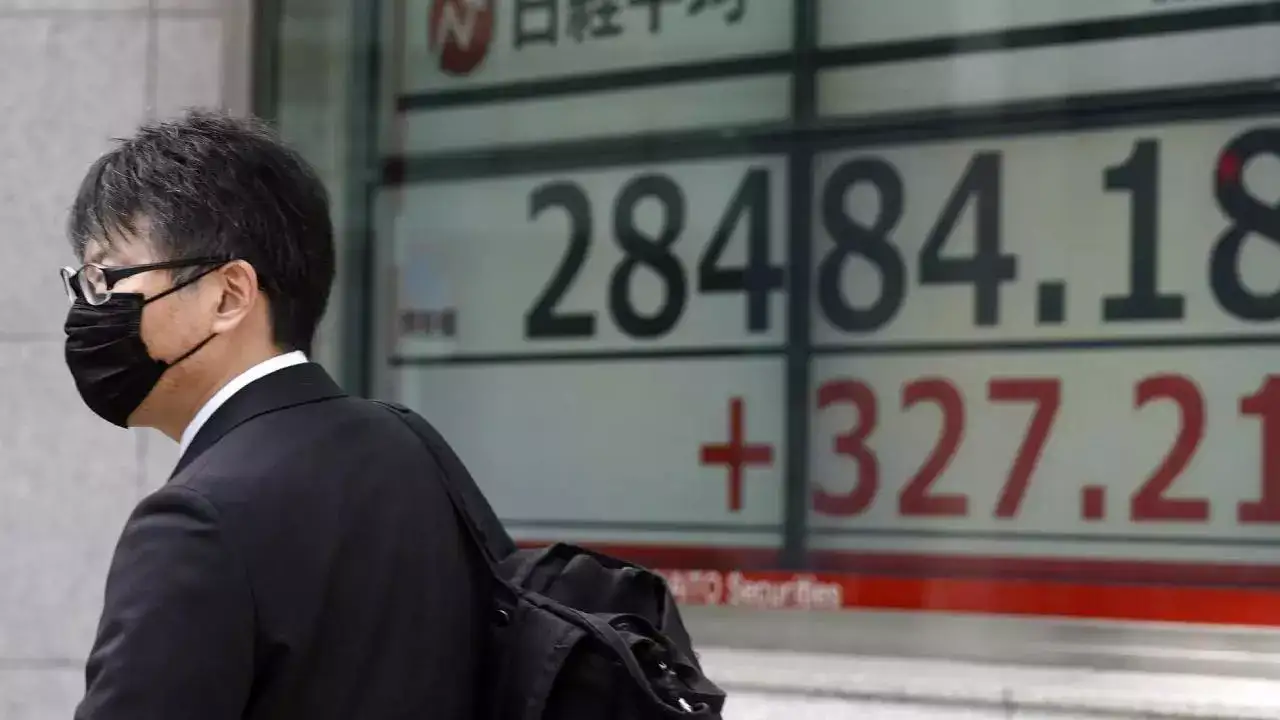
Asian equities advanced and oil dropped after the US and Iran reached a tentative deal to extend their ceasefire.
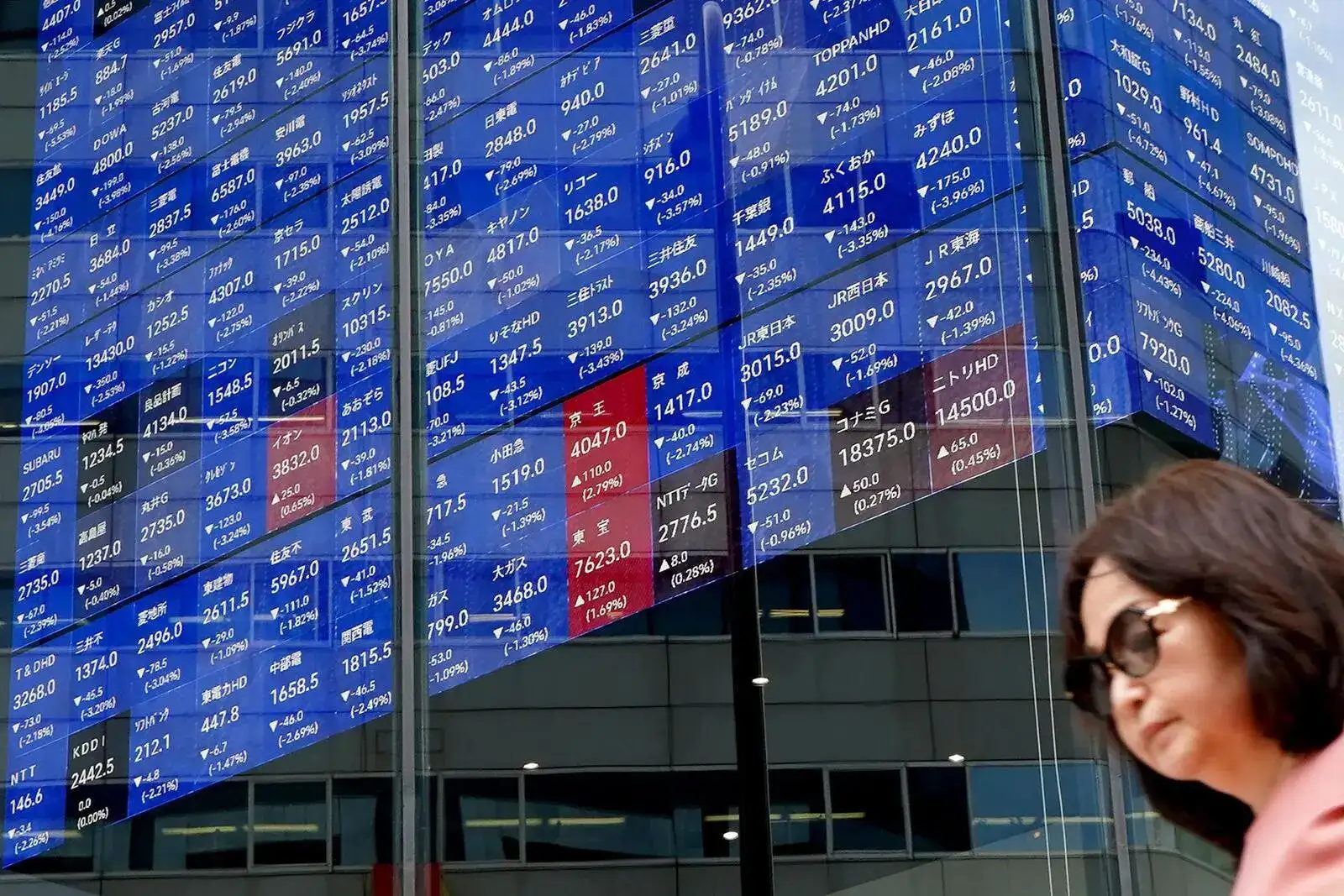
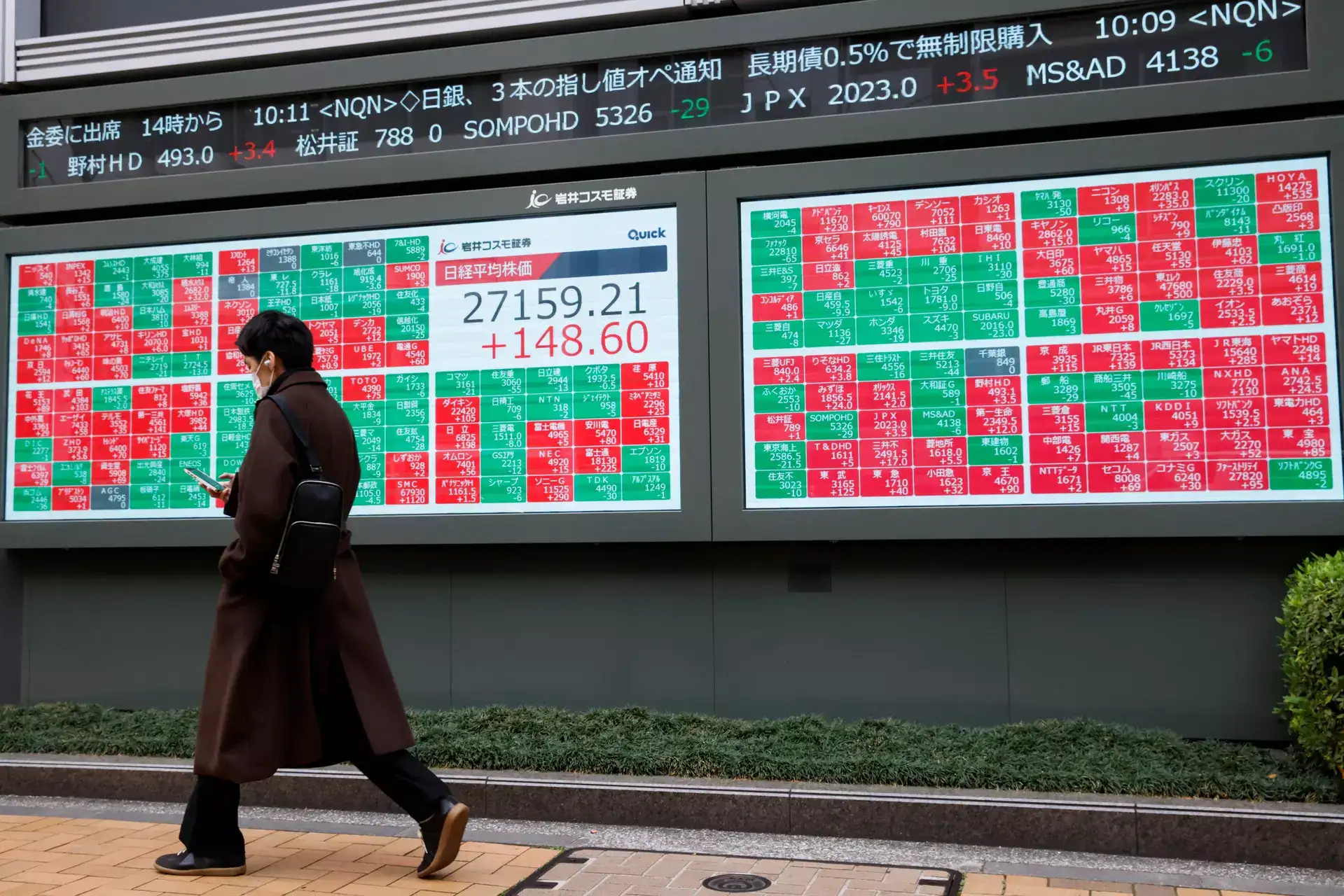
Gauges in Japan and South Korea climbed, sending the MSCI Asia Pacific Index higher by 0.7%. That came after the S&P 500 Index and the Nasdaq 100 Index rallied to a record close. Optimism toward AI remained high with Dell Technologies Inc. surging almost 38% in extended trading on its sales outlook.
Helping the sentiment, Brent crude dropped 0.4% to around $93.40 a barrel on Friday, following a deal to extend the ceasefire by 60 days and launch further talks on Tehran’s nuclear program, which raised hopes that the three-month conflict may be nearing a resolution. President Donald Trump has yet to agree to the terms.
The yen was steady around 159.25 per dollar after Tokyo’s key inflation gauge unexpectedly cooled for a sixth straight month. During the US session, Treasury yields fell across the curve and the dollar weakened against all major developed-market currencies.
Optimism over a ceasefire extension outweighed concerns about clashes in the Persian Gulf, as investors bet a truce may ease disruptions to energy flows. The closure of the Strait of Hormuz since the war began has curbed oil shipments and stoked inflation fears, with markets now eagerly watching for any signs the vital corridor may reopen.
“Markets continue to get whipsawed by swings in Iran war sentiment,” said Elias Haddad at Brown Brothers Harriman & Co. “Regardless, risk-on sentiment should remain supported because both sides are still talking to work out a deal that would ultimately reopen the Strait of Hormuz.”
Both countries have previously hailed progress, with Trump repeatedly indicating the US was close to securing an agreement — only for the stalemate to drag on.
When asked if an interim deal had been clinched, Treasury Secretary Scott Bessent would only say “the teams have been going back and forth.” He insisted Trump’s three “red lines” — reopening Hormuz, Iran turning over highly enriched uranium and ending its nuclear program — remained necessary for a pact.
“Even if it is only a 60-day agreement to allow a resumption of traffic in the Strait, there should be a relief rally, as serious supply dislocations are approaching rapidly,” said veteran strategist Louis Navellier.
Optimism toward artificial-intelligence stocks has helped equities rally to new highs, placing the S&P 500 Index on track for a ninth straight week of gains — a streak matched only four times since 1985. Asian shares are also set for a second week of gains.
At the same time, higher energy costs have fueled price pressures, raising concerns the Federal Reserve would be forced to lift interest rates. US consumer spending edged up in April, with annual inflation accelerating to the highest since 2023. Meantime, the economy expanded in the first quarter at a 1.6% annualized pace, slower than previously estimated.
“The economy is still expanding, but hotter inflation limits the Fed’s flexibility and pushes rate cuts further out,” said Gina Bolvin at Bolvin Wealth Management Group. “This is a more difficult environment for investors because the growth story is cooling just as inflation is heating back up.”