
Black Friday sales will offer an important gauge of US consumer spending as the holiday shopping season begins. The National Retail Federation expects November-December retail sales to rise 4.2% year-on-year to $1.013 trillion. Investors will also track inflation, consumer confidence and third-quarter GDP data for clues about the strength of the US economy. (Source: Reuters)
ECB leadership race keeps traders on alert
Markets will monitor nominations for two vacancies on the European Central Bank's Executive Board. Former Bank of Spain Governor Pablo Hernández de Cos is the leading contender to succeed Christine Lagarde. Germany has backed Princeton University professor Markus Brunnermeier for the chief economist role, while France is expected to nominate a candidate for the remaining vacancy.
South Korea rate decision takes centre stage
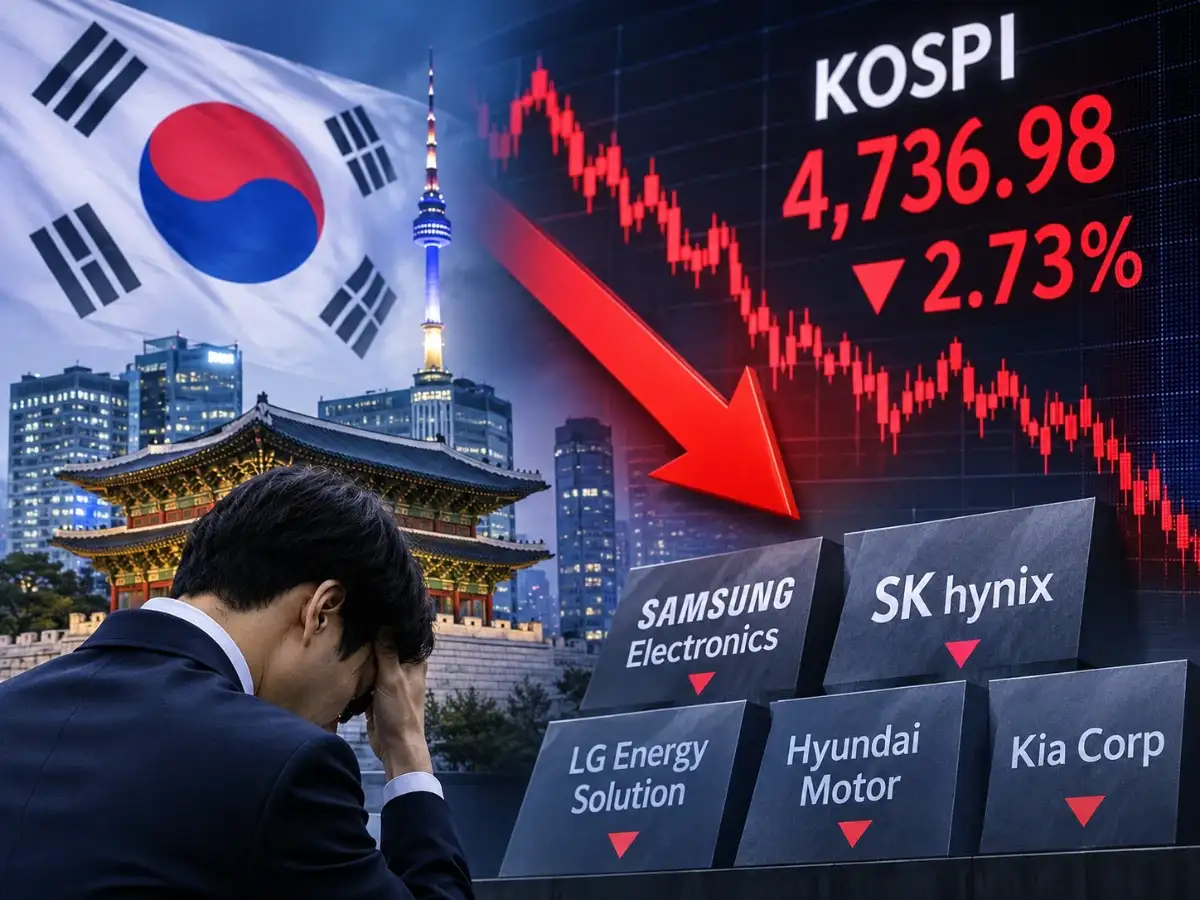
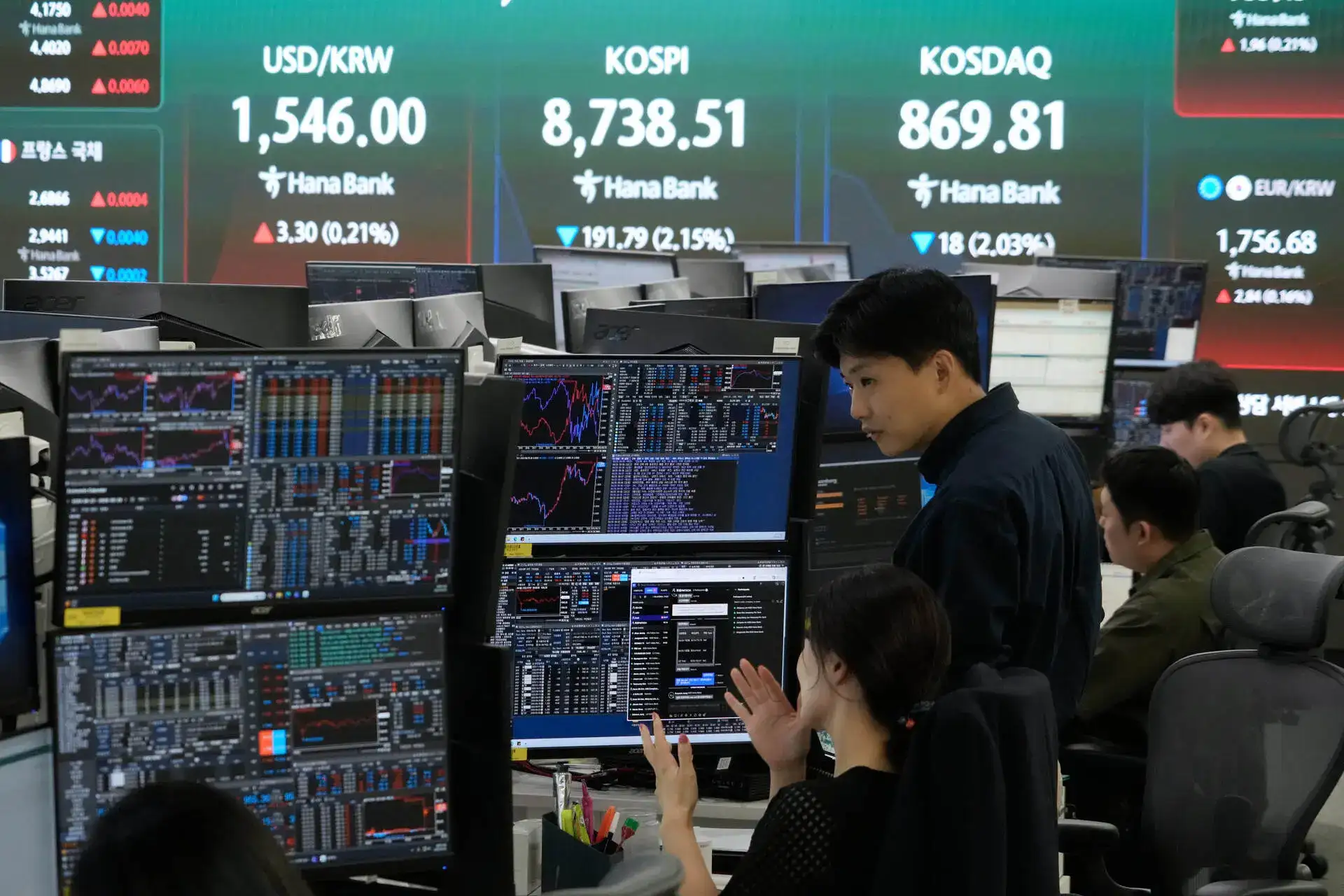
South Korea's central bank is expected to raise interest rates by 25 basis points to 3.25% on Thursday, amid inflationary pressures and strong semiconductor exports. However, weak domestic demand, high borrowing costs and stock market volatility remain key concerns. The decision comes as the country's technology-driven economic boom faces growing uncertainty.
Australia, Japan inflation data in focus
Australia's October CPI data on Wednesday will offer fresh clues on the Reserve Bank's policy outlook after rates were raised to 4.85%. Meanwhile, Japan's Tokyo inflation report on Friday will provide an early indication of broader price trends. Core Tokyo inflation stood at 2.6% in October, above the Bank of Japan's 2% target, keeping expectations of a December rate hike alive.
Global business activity offers economic health check
Business activity data from major economies on Monday will provide a snapshot of global economic conditions. Investors will assess whether Europe's economic momentum is weakening following recent disappointing readings, including retail sales. In the US, attention will centre on inflation-related components of business activity data as persistent price pressures influence expectations for Federal Reserve policy.(Disclaimer: This slideshow is based on inputs from agencies. These do not represent the views of The Economic Times)